

 Shrimp
 Fish
Fish Crab &
 Plants
 Foods
Foods Snails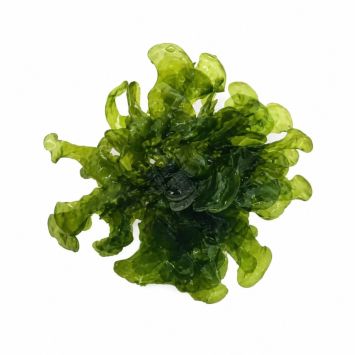
Subwassertang (Lomariopsis lineata) for Sale
$9.99
Out of stock
SKU
Subwassertang (Freshwater “Moss” Plant)
Subwassertang (Lomariopsis lineata) is one of the most sought-after aquarium plants for shrimp tanks, breeding setups, and planted aquariums. Unlike traditional aquarium mosses, Subwassertang develops soft, flowing green mats that create natural shelter for shrimp, fish fry, and other small aquatic species. Easy to grow in low-tech aquariums, it thrives under low to moderate lighting and does not require CO2 injection. Whether you're building a shrimp breeding tank, creating a natural aquascape, or simply looking for a beautiful low-maintenance aquarium plant, Subwassertang is an excellent choice. Order healthy, aquarium-grown Subwassertang from The Shrimp Farm and enjoy fast shipping, a live arrival guarantee, and plant-only shipping for just $9.99.
✅ Each order includes a generous 2oz cup portion of healthy Subwassertang.
✅ Perfect for shrimp tanks, breeding tanks, and planted aquariums.
✅ Easy to grow in low-tech aquariums with no CO2 required.
✅ Provides excellent cover and grazing surfaces for shrimp and fish fry.
✅ Can be attached to driftwood, rocks, decorations, or left floating.
✅ Plant-only orders ship for just $9.99 anywhere in the continental United States.
Subwassertang Quick Facts
-
Scientific Name: Lomariopsis lineata
-
Common Name: Subwassertang
-
Difficulty Level: Easy
-
Growth Rate: Moderate
-
Light Requirements: Low to Moderate
-
CO2 Required: No
-
Temperature Range: 68–82°F
-
pH Range: 6.0–8.0
-
Placement: Floating, attached to hardscape, or loosely placed in the aquarium
-
Maximum Size: Forms dense mats several inches across
-
Shrimp Safe: Yes
-
Beginner Friendly: Yes
-
Best For: Shrimp tanks, breeding tanks, nano aquariums, and aquascaping
-
Special Feature: Excellent biofilm-growing surface for shrimp and fry
Subwassertang is one of the most versatile plants available for freshwater aquariums. Its soft, fern-like growth provides outstanding cover for baby shrimp and fish fry while creating a natural grazing area rich in biofilm and microorganisms.
Aquascaping Uses
Subwassertang is incredibly flexible and can be used in multiple ways:
- Attach to driftwood or rocks for a natural look
- Create a carpet effect in shrimp tanks
- Form dense hiding areas for fry and shrimp
- Use as a floating plant mass for a wild aesthetic
Pro Tip: Tie or glue it down initially—once established, it will naturally cling and spread.
Perfect for Shrimp & Fry
- Provides biofilm surface area (great for shrimp grazing)
- Creates safe hiding zones for baby shrimp and fish fry
- Helps improve water quality by absorbing nutrients
This makes Subwassertang a must-have for Neocaridina and Caridina shrimp tanks.
What You’ll Receive
- Healthy portion of Subwassertang (2oz portion cup size depending on selection)
- Secure packaging for safe delivery
Why Buy Subwassertang Online From The Shrimp Farm?
✅ Healthy, high-quality Subwassertang carefully selected for aquarium hobbyists
✅ One of the best plants for shrimp tanks, breeding tanks, and nano aquariums
✅ Provides excellent cover for baby shrimp, fish fry, and other small aquatic species
✅ Creates natural grazing surfaces rich in biofilm and microorganisms
✅ Easy to grow in low-tech aquariums with no CO2 required
✅ Plant-only orders ship for just $9.99
✅ Carefully packaged to help ensure plants arrive healthy and ready to thrive
✅ Fast nationwide shipping from experienced aquarium hobbyists
✅ Live arrival guarantee for peace of mind
✅ Trusted source for freshwater shrimp, aquarium plants, nano fish, and aquarium supplies
✅ Competitive pricing and bundle opportunities across plants and livestock
✅ Thousands of satisfied customers served across the United States
Whether you're building a shrimp breeding tank, creating a natural aquascape, or simply looking for an easy-care aquarium plant, Subwassertang is an outstanding choice. Order with confidence from The Shrimp Farm and discover why hobbyists nationwide trust us for healthy plants and exceptional customer service.
Backed by The Shrimp Farm's Live Arrival Guarantee!
Subwassertang vs Java Moss: Which Is Better for Shrimp Tanks?
Subwassertang and Java Moss are two of the most popular plants used in shrimp tanks and breeding aquariums. Both are easy to care for, shrimp safe, and excellent at providing cover for baby shrimp. However, they have different appearances and growth habits that may make one a better choice for your aquarium.
| Feature | Subwassertang | Java Moss |
|---|---|---|
| Scientific Name | Lomariopsis lineata | Taxiphyllum barbieri |
| Appearance | Soft, fern-like growth | Dense, moss-like growth |
| Growth Rate | Moderate | Fast |
| Difficulty | Easy | Very Easy |
| Light Requirements | Low to Moderate | Low to Moderate |
| CO2 Required | No | No |
| Shrimp Safe | Yes | Yes |
| Fry & Shrimplet Cover | Excellent | Excellent |
| Floating Growth | Excellent | Fair |
| Best Use | Shrimp breeding tanks and natural aquascapes | Moss walls, driftwood, and beginner tanks |
One of the biggest advantages of Subwassertang is its unique appearance. Unlike true mosses, it forms soft, flowing mats that create a natural underwater look. Shrimp love to graze on the biofilm that develops throughout the plant, making it a favorite choice for breeding tanks.
Java Moss grows faster and can easily be attached to driftwood, rocks, and decorations. It is often recommended for beginners because it tolerates a wide range of water conditions and requires very little maintenance.
For shrimp keepers, both plants are excellent choices. If you're looking for a distinctive plant that creates dense cover for baby shrimp while adding a unique texture to your aquascape, Subwassertang is often the better option. If you want a fast-growing, nearly indestructible plant that can be attached to hardscape, Java Moss may be the better fit.
Many advanced shrimp keepers choose to use both plants together to maximize grazing surfaces, biological filtration, and natural shelter within the aquarium.
Subwassertang Care Guide
Subwassertang (Lomariopsis lineata) is one of the easiest and most versatile plants for freshwater aquariums. Despite often being grouped with aquarium mosses, Subwassertang is actually a freshwater fern gametophyte that develops soft, flowing green mats. Its low maintenance requirements and excellent compatibility with shrimp make it a favorite among planted tank hobbyists.
Tank Requirements
Subwassertang adapts well to a wide range of aquarium conditions and thrives in shrimp tanks, nano aquariums, community tanks, and breeding setups.
-
Tank Size: 5 gallons or larger
-
Temperature: 68–82°F
-
pH: 6.0–8.0
-
Water Hardness: Soft to moderately hard
-
Placement: Floating, attached to hardscape, or loosely placed on the substrate
Lighting Requirements
Subwassertang grows well under low to moderate lighting and does not require intense light to thrive.
-
Low Light: Excellent growth
-
Moderate Light: Ideal growth and coloration
-
High Light: Faster growth but increased algae risk
Unlike many aquarium plants, Subwassertang remains healthy even in low-tech aquarium setups.
CO2 and Fertilizer Requirements
One reason Subwassertang is so popular is that it does not require CO2 injection.
-
CO2: Not required
-
Liquid Fertilizer: Helpful but optional
-
Root Tabs: Not needed
While fertilizers can encourage faster growth, many hobbyists successfully grow lush Subwassertang with nothing more than routine water changes.
Growth Rate
Subwassertang has a moderate growth rate and gradually develops dense mats of soft green foliage. Under stable conditions it can spread throughout an aquarium and create excellent shelter for shrimp and fish fry.
Regular trimming can help maintain a compact appearance and prevent excessive growth.
Placement Options
Subwassertang is extremely versatile and can be used in several ways:
-
Floating freely in the aquarium
-
Tucked into driftwood crevices
-
Attached to rocks or decorations
-
Placed on the substrate
-
Used as cover in shrimp breeding tanks
Many shrimp keepers prefer allowing it to form loose mats because this creates ideal grazing and hiding areas.
Is Subwassertang Shrimp Safe?
Yes. Subwassertang is considered one of the best plants for shrimp tanks. Its soft structure collects biofilm and microorganisms that shrimp feed on while providing valuable shelter for baby shrimp.
Cherry Shrimp, Crystal Shrimp, Amano Shrimp, and other dwarf shrimp species all benefit from having Subwassertang in the aquarium.
Common Problems
Algae Growth: Usually caused by excessive lighting or nutrient imbalances.
Slow Growth: Often the result of insufficient nutrients or unstable water conditions.
Debris Accumulation: Dense mats can collect waste and debris, so occasional gentle cleaning may be beneficial.
With minimal care, Subwassertang can become one of the most useful and attractive plants in a freshwater aquarium, providing natural beauty, shrimp habitat, and excellent grazing surfaces for years to come.
Real Owner Experience: Using Subwassertang in Shrimp Tanks
We've used Subwassertang in shrimp tanks for years and consider it one of the most useful plants for both breeding projects and display aquariums. While many hobbyists initially buy it for its unique appearance, most end up loving it because of how much shrimp use it every day.
In our experience, Subwassertang works best when allowed to form loose mats rather than being tightly attached to hardscape. Shrimp constantly graze across its surface looking for biofilm, algae, and microorganisms. It's common to see dozens of Cherry Shrimp or Crystal Shrimp gathered on a single clump of healthy Subwassertang.
One thing we've noticed is that baby shrimp especially love Subwassertang. The dense, tangled growth provides excellent protection while giving shrimplets access to a steady food source. For shrimp breeders, it can quickly become one of the most valuable plants in the aquarium.
Another advantage is how easy it is to grow. We've successfully kept Subwassertang in everything from simple low-tech shrimp tanks to heavily planted aquascapes. It requires very little maintenance, grows well without CO2, and can easily be divided into multiple portions as it expands.
If we were setting up a new shrimp tank today, Subwassertang would be one of the first plants we'd add because it combines easy care, natural beauty, and outstanding benefits for shrimp in a way that few other aquarium plants can match.
Frequently Asked Questions About Subwassertang
What is Subwassertang?
Subwassertang (Lomariopsis lineata) is a unique freshwater aquarium plant often mistaken for a moss. It forms soft, bright green mats that provide excellent cover for shrimp, fish fry, and other small aquarium inhabitants.
Is Subwassertang good for shrimp tanks?
Yes, Subwassertang is one of the best plants for shrimp tanks. Its dense growth provides shelter for baby shrimp and creates a large surface area where biofilm and microorganisms can develop for shrimp to graze on.
Does Subwassertang need CO2?
No. Subwassertang grows well without CO2 injection and is considered an excellent low-tech aquarium plant. While supplemental CO2 can encourage faster growth, it is not required.
Is Subwassertang beginner friendly?
Yes. Subwassertang is one of the easiest aquarium plants to care for. It tolerates a wide range of water parameters, grows under low to moderate lighting, and does not require special equipment.
How fast does Subwassertang grow?
Subwassertang has a moderate growth rate. Under stable water conditions and moderate lighting, it gradually expands into thick mats that can be trimmed and divided as needed.
Can Subwassertang grow floating?
Yes. Many hobbyists allow Subwassertang to float freely in the aquarium. It can also be attached to driftwood, rocks, decorations, or placed directly on the substrate.
What is the difference between Subwassertang and Java Moss?
Subwassertang has a soft, fern-like appearance, while Java Moss develops a more traditional moss-like structure. Both are shrimp safe and easy to care for, but Subwassertang often provides denser cover for shrimp and fish fry.
Does Subwassertang help baby shrimp survive?
Yes. Subwassertang is widely used in shrimp breeding tanks because it provides excellent shelter for shrimplets. The plant also supports biofilm growth, which serves as a natural food source for young shrimp.
Can fish live with Subwassertang?
Absolutely. Subwassertang works well in community aquariums and can be kept with nano fish, Corydoras Catfish, Otocinclus, livebearers, rasboras, tetras, and many other peaceful freshwater species.
How do you trim Subwassertang?
Subwassertang can be trimmed using aquarium scissors. Simply remove excess growth and discard or replant the trimmed portions. Regular trimming helps maintain a neat appearance and encourages healthy growth.
Does Subwassertang need fertilizer?
Fertilizer is not required, but liquid fertilizers can promote faster growth and richer coloration. Many aquarists successfully grow healthy Subwassertang using only routine water changes.
Why is Subwassertang so popular?
Subwassertang is popular because it is easy to grow, highly shrimp safe, and extremely versatile. Its attractive appearance, low maintenance requirements, and ability to support shrimp breeding make it one of the most sought-after plants for freshwater aquariums.
Related Products


Login and Registration Form