

 Shrimp
 Fish
Fish Crab &
 Plants
 Foods
Foods Snails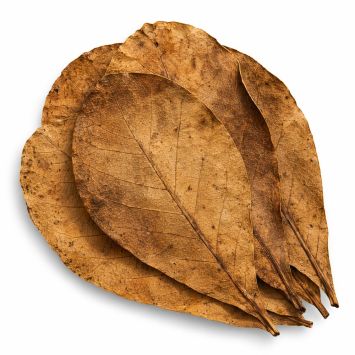
Indian Almond Leaves for Shrimp Tanks (Catappa Leaves for Sale)
$5.99
In stock
SKU
TSF-IAL
Indian almond leaves for shrimp tanks are one of the most effective natural ways to improve water quality, encourage biofilm growth, and create a healthier environment for freshwater shrimp. Also known as catappa leaves or ketapang leaves, these dried leaves release beneficial tannins and humic substances that shrimp love.
Whether you're breeding Neocaridina Shrimp or Caridina Shrimp , Indian almond leaves provide a natural grazing surface for baby shrimp while helping mimic their natural habitat.
Benefits of Indian Almond Leaves for Shrimp
- Releases tannins that create a natural blackwater environment
- Promotes biofilm growth (essential food source for shrimp)
- Provides grazing surface for baby shrimp
- Helps reduce stress in shrimp and freshwater fish
- May support antibacterial and antifungal conditions
- Enhances natural coloration in shrimp
Why Indian Almond Leaves Are Essential for Baby Shrimp
Baby shrimp rely heavily on biofilm, and Indian almond leaves are one of the best ways to grow it naturally.
As the leaves break down:
- Microorganisms develop on the surface
- Baby shrimp constantly graze on this
- Survival rates improve significantly
This is one of the highest ROI products for shrimp breeders.
Perfect for More Than Just Shrimp
Indian almond leaves are also great for:
- Betta fish
- Tetras
- Rasboras and Minnows
- Corydoras
- Freshwater snails
- Blackwater aquariums
- Breeding tanks
Pro Tip for Shrimp Breeders
Use Indian almond leaves in breeding tanks to:
- Improve baby shrimp survival rates
- Increase natural food sources
- Reduce stress in shrimp colonies
Indian Almond Leaves vs Other Aquarium Botanicals
Indian almond leaves are one of the most popular aquarium botanicals, but how do they compare to options like alder cones and cholla wood? Each offers unique benefits, but Indian almond leaves are often the best all-around choice for shrimp keepers.
| Feature | Indian Almond Leaves | Alder Cones | Cholla Wood |
|---|---|---|---|
| Tannin Release | Moderate, long-lasting | Fast, short-term | Minimal |
| Biofilm Growth | Excellent | Moderate | Moderate |
| Shrimp Grazing Surface | High | Low | Medium |
| Structure / Hiding | Low | Low | High |
| Best Use | All-around | Water conditioning | Shelter |
Indian Almond Leaves vs Alder Cones
Indian almond leaves release tannins gradually and provide a large surface area for biofilm growth, making them ideal for shrimp tanks and breeding setups.
Alder cones are smaller and release tannins more quickly, which is useful for faster water conditioning. However, they offer less grazing surface for shrimp.
Best choice:
- Use Indian almond leaves for long-term biofilm and grazing
- Use alder cones for faster tannin release
Indian Almond Leaves vs Cholla Wood
Cholla wood is commonly used in shrimp tanks for structure and hiding spaces, but it does not release the same level of tannins as Indian almond leaves.
Indian almond leaves improve water conditions while also supporting shrimp health through tannins and biofilm development.
Best choice:
- Use Indian almond leaves for water conditioning and nutrition
- Use cholla wood for structure and shelter
Why Indian Almond Leaves Are the Most Popular Choice
Indian almond leaves stand out because they offer multiple benefits in one simple product:
- Natural tannin release for healthier water
- Excellent surface area for biofilm growth
- Continuous food source for shrimp and baby shrimp
- Easy to use and trusted by shrimp breeders
Because of this, many shrimp keepers use Indian almond leaves as their foundation botanical, then add other botanicals to enhance their setup.
Best Practice: Combine Botanicals for Maximum Results
For best results, many hobbyists combine Indian almond leaves with other botanicals to create a balanced, natural environment.
A common setup includes:
- Indian almond leaves as the base layer
- Alder cones for additional tannins
- Cholla wood for structure and hiding
This combination helps mimic natural shrimp habitats while improving water quality and shrimp health. Check out our aquarium botanical pack to combine them all!
Why Buy Indian Almond Leaves from The Shrimp Farm
- Hand-selected, high-quality dried leaves
- safe for aquarium use
- Fast shipping from the USA
- Flat rate $9.99 shipping on all dry goods orders
- Trusted by shrimp keepers nationwide
- Perfectly sized for aquarium use (We use them in OUR tanks too!)
How to Use Indian Almond Leaves in Your Aquarium
- Add 1 leaf per 5–10 gallons of water
- Leaves can be added directly or pre-soaked
- Water may turn light brown (this is beneficial)
- Replace every 2–3 weeks as leaves break down
How to Add Indian Almond Leaves to Your Tank
- Add leaves directly to the aquarium
- Or pre-soak/boil to help them sink faster
- Leaves will naturally sink within 1–3 days
What to Expect after adding Indian Almond Leaves
- Water may turn a light brown color (this is beneficial)
- Tannins will slowly release into the water
- Shrimp will begin grazing on biofilm
How Often to Replace your Indian Almond Leaves
- Replace every 2–3 weeks
- You can leave old leaves to fully break down or remove them
FAQ for Indian Almond Leaves
Do Indian almond leaves lower pH?
Yes, they release tannins that can slightly lower pH and soften water over time.
How long do Indian almond leaves last?
Typically 2–3 weeks before fully breaking down.
Will Indian almond leaves turn my water brown?
Yes, but this is natural and beneficial for shrimp and fish.
Are Indian almond leaves safe for shrimp?
Absolutely. They are widely used by shrimp breeders worldwide.
How many leaves should I use?
1 leaf per 5–10 gallons depending on desired effect.
How much does shipping cost?
We offer flat rate $9.99 shipping on all dry goods orders anywhere in the U.S. however, when bundled with livestock the shipping cost will go up
Have more questions?
Check out our blog post for other uses of Indian Almond Leaves in your aquarium!
Indian Almond Leaves – Customer Questions & Tips
Will these leaves affect my water color?
Yes—Indian almond leaves will tint your water a light tea or amber color. This is completely natural and actually beneficial for shrimp and many fish species. If you prefer clearer water, you can use fewer leaves or remove them sooner.
Do I need to boil Indian almond leaves before using them?
Boiling is recommended but not mandatory. You can add leaves directly to your aquarium, or boil them briefly if you want them to sink faster and release tannins more quickly.
How fast do the leaves sink?
Dry leaves may float for 1–3 days before sinking naturally. If you want instant sinking, simply pre-soak or boil them for a few minutes.
Can I use Indian almond leaves in small tanks or nano tanks?
Yes—just adjust the dosage. For nano tanks, you can use a partial leaf or smaller pieces to avoid over-darkening the water.
Do Indian almond leaves create mess or debris?
As the leaves break down, they will slowly soften and decompose. This is normal and beneficial, as it creates biofilm for shrimp. You can remove remaining pieces if desired, or let them fully break down naturally.
Are all leaves the same size and color?
No—because these are natural dried leaves, size, shape, and color will vary. This is completely normal and does not affect performance.
How should I store unused leaves?
Keep them in a dry, cool place away from moisture. Stored properly, they can last for a long time without losing effectiveness.
Will this harm my filter or equipment?
No—Indian almond leaves are safe for aquarium filters. However, fine debris from breakdown may slightly increase filter maintenance over time.


Login and Registration Form