


 Shrimp
 Fish
Fish Crab &
 Plants
 Foods
Foods Snails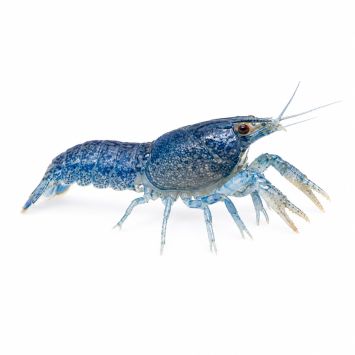
Blue Dwarf Crayfish (Cambarellus texanus) – USA Bred Brazos Crayfish for Sale
$24.99
In stock
SKU
Blue dwarf Brazos crayfish
The Blue Dwarf Crayfish (Cambarellus texanus), also known as the Brazos dwarf crayfish, is a colorful freshwater nano crayfish perfect for planted tanks and small aquariums. These USA-bred dwarf crayfish stay small, are beginner-friendly, and are one of the best dwarf crayfish species for community tanks.
Why You’ll Love Them
-
Brilliant Blue Coloration – Vibrant sapphire tones that stand out against plants and hardscape
-
True Dwarf Size – Grows only 1.5–2 inches, ideal for smaller aquariums
-
Active & Entertaining – Always exploring, foraging, and rearranging their space
-
Beginner Friendly – Hardy and adaptable when kept in stable water conditions
Care Requirements
-
Tank Size: 10 gallons minimum
-
Temperature: 65–75°F
-
pH: 6.5–8.0
-
Diet: Omnivore – high-quality pellets, blanched vegetables, protein treats
-
Behavior: Semi-peaceful; best with fast fish and plenty of hiding spots
Unlike larger crayfish species, Cambarellus texanus is less likely to uproot plants, making them a great addition to aquascaped tanks. Provide caves, rocks, or driftwood to reduce territorial disputes—especially if keeping multiple.
Perfect For:
-
Nano aquariums featuring fish like Galaxy Rasbora and AA Cherry Shrimp
-
Planted tanks (find plants here)
-
Shrimp-safe setups (with caution for baby shrimp)
-
Hobbyists looking for something unique
Whether you're building out your shrimp room or adding diversity to your freshwater lineup, the Dwarf Blue Crayfish is a hardy, eye-catching species that customers love.
Backed by The Shrimp Farm's Live Arrival Guarantee! Buy USA-bred Blue Dwarf Crayfish online with fast shipping and live arrival guarantee.
Details
Common Name: Dwarf Blue Crayfish
Scientific Name: Cambarellus texanus
Care Level: Easy
Temperament: Semi-peaceful
Max Size: 1.5–2 inches (4–5 cm)
Lifespan: 2–3 years
Diet: Omnivore
Breeding: Easy
Minimum Tank Size: 10 gallons
Water Temperature: 65–75°F
pH Range: 6.5–8.0
Water Hardness: Moderate
How big do Dwarf Blue Crayfish get?
At a maximum size of around 1.5–2 inches (4–5 cm), Dwarf Blue Crayfish stay small and manageable. Their compact size makes them ideal for nano and planted aquariums where full-sized crayfish would be too destructive.
How many Dwarf Blue Crayfish can I keep per gallon?
Unlike their larger crayfish cousins, dwarf species do well in smaller aquariums. A 10-gallon (38L) tank is a great starting point for a small group.
As a general rule:
-
1–2 crayfish per 10 gallons is comfortable
-
Provide plenty of hiding spots (caves, rocks, plants) if keeping multiples to reduce territorial disputes
How long do Dwarf Blue Crayfish live?
The average lifespan of a Dwarf Blue Crayfish is 2–3 years with proper care, stable water parameters, and a high-quality diet.
Is Dwarf Blue Crayfish easy to breed?
Yes — breeding Dwarf Blue Crayfish is relatively easy and beginner-friendly.
If both males and females are present, breeding often occurs naturally. The male will flip and pin the female during mating. The female then stores the sperm and later fertilizes up to 20–60 eggs, which she carries under her tail on her swimmerets.
The eggs are visible as a cluster beneath her abdomen and hatch in a few weeks depending on temperature.
If your tank has:
-
Plenty of hiding places
-
Leaf litter or moss
-
Low aggression tankmates
…you usually don’t need to provide extra care. Newly released juveniles may hide for a few days to avoid predation before emerging to forage.
What is the diet of Dwarf Blue Crayfish?
Dwarf Blue Crayfish are omnivorous scavengers and excellent members of your aquarium clean-up crew.
A balanced diet should include:
-
High-quality invertebrate pellets (staple food)
-
Algae wafers
-
Blanched vegetables (zucchini, spinach, green beans)
-
Frozen foods (bloodworms, brine shrimp, daphnia)
A varied diet supports healthy molts and helps maintain their vibrant blue coloration.
What are the best tankmates for Dwarf Blue Crayfish?
While larger crayfish are known for aggression, dwarf species are much more peaceful. They generally only show mild territorial behavior toward their own kind.
Good tankmates include:
-
Small, peaceful fish (rasboras, small tetras)
-
Shrimp (with caution for babies)
-
Snails
Avoid:
-
Large predatory fish
-
Fish capable of swallowing a 2-inch crayfish
-
Aggressive cichlids
If breeding is your goal, a species-only tank or invertebrate-only setup is recommended to protect juveniles.
What is the best way to acclimate my new Dwarf Blue Crayfish?
Proper acclimation is critical. Transport and parameter changes are stressful for crayfish.
We recommend drip acclimation:
-
Float the bag to equalize temperature (15–20 minutes).
-
Slowly drip tank water into the container over 30–60 minutes.
-
Gently transfer the crayfish without adding shipping water to your tank.
This gradual process reduces the risk of shock and improves survival.
Is your question not listed above?
If you don’t see the answer you’re looking for, send us a quick message and we’ll be happy to help!


Login and Registration Form