


 Shrimp
 Fish
Fish Crab &
 Plants
 Foods
Foods Snails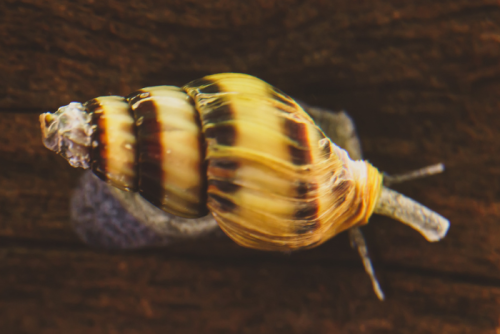
Assassin Snails - Clea helena
$13.99
Out of stock
SKU
assassin-snails
Assassin Snails are freshwater snails known for hunting pests & its unique appearance. These snails are known for their ability to eliminate pest snails in an aquarium, thus the name "Assassin Snail." They are carnivorous, primarily feeding on other snails and require a protein-rich diet to thrive. Despite being slow, they can quickly devour other snails if given the chance.
Backed by The Shrimp Farm's Live Arrival Guarantee!
Assassin Snails
Clea helena is definitely not the most inconspicuous assassin out there. Its bright yellow and dark brown banded trumpet shell is sure to draw attention! This means that even if you're not looking to have it massacre some pest snails, it'll still be a colorful addition to your aquarium. With a maximum size of around 0.5", it doesn't need a large set-up.
Assassin Snails Behavior
The assassin snail (Clea helena, formerly Anentome helena) is the odd one out when it comes to aquarium snails. Rather than peacefully feeding on algae, biofilm and detritus, this species actively hunts other snails! They're a solution popularly used by aquarists looking to get rid of a pest snail infestation in their tanks.
Assassin Snails Care
Your assassin snail aquarium should be filtered, fully cycled and heated. The snails don't have any specific demands when it comes to décor. They appear to naturally inhabit waters with a sandy substrate where they can hide and wait for unsuspecting prey, but aquarists have found they do just fine on gravel as well. Find out more about assassin snails in The Shrimp Farm Academy.
Buying Assassin Snails
It goes without saying that you shouldn't keep assassin snails in an aquarium that also houses other ornamental snails. Unfortunately, there's always a risk of them ending up being cannibalized. Opinions vary on whether assassins are 100% shrimp-safe, but it's probably not out of the question for one to pick off the occasional baby shrimp. If your shrimp stock is very expensive, we would recommend choosing one of the other species. If you keep fast-breeding dwarf shrimp like Neocaridina, though, you should be fine.
Scientific Name: Clea Helena
Common Name: Assassin snail
Other Common Name: snail-eating snail
Temperament: Will attack other snails
Breeding: Moderate
Care Level: intermediate
Origin: South-East Asia
Found in Wild: Yes
Life Span: 1-3 years
Full Grown Size: around 0.5"
Approximate Purchase Size: 0.25-0.5”
General Water Parameters:
pH Range: 7.5-8.5
Temperature Range: 75-80 °F
GH Range: 8-12
KH Range: 4-6
TDS Range: 175-250
Minimum Tank Size: Nano tank
How big do Assassin Snails get?
The Assassin snail can reach up to around 0.5"
How many Assassin Snails can I keep per gallon?
5 snails per gallon is a reasonable bio-load for aquariums?
How long do Assassin Snails live?
1-3 years
Are Assassin Snails easy to Breed?
Breeding assassin snails is just easy enough to be an enjoyable project for beginners but just difficult enough to avoid ending up with another snail infestation. Even if you do end up with a few too many, you'll usually be able to sell them pretty easily.
All you have to do in order to get your assassin snails to reproduce is get a group that's large enough to guarantee the presence of both males and females. Feed high-quality, nutrient-rich foods, and make sure your water quality is always high. The snails will take care of the rest and start producing egg sacs when they're sexually mature.
What is the diet of Assassin Snails?
You probably won't be surprised to find out these snails are mainly carnivores. Their natural diet consists of snails and anything else that floats by their sandy hiding place - alive or dead. That being said, they'll also eat algae and pretty much anything they can find.
In the aquarium, your assassin snails will snack on pest snails and any leftover fish foods they can find. You can supplement their diet using commercial fish foods and frozen foods. If you're serious about assassin snail care (if you're trying to breed them, for example), you can even set up a separate snail breeding container to make sure this natural food source is always available.
What are the best tankmates for Assassin Snails?
It goes without saying that you shouldn't keep assassin snails in an aquarium that also houses other ornamental snails. Unfortunately, there's always a risk of them ending up being cannibalized. Opinions vary on whether assassins are 100% shrimp-safe, but it's probably not out of the question for one to pick off the occasional baby shrimp. If your shrimp stock is very expensive, we would recommend choosing one of the other species. If you keep fast-breeding dwarf shrimp like Neocaridina, though, you should be fine.
What is the best way to Acclimate my new Assassin Snails?
When adding new tankmates to your already existing tank, it is important to take the proper steps in introducing and acclimating them into their new home. The whole process is extremely stressful for the snail. Acclimation is important for snails as it allows them time to adjust to the temperature and parameters of their new environment. By doing this correctly, you will reduce the chances of shock or death of your new snails.
Is your question not listed above?
If you don't see the answer to your question, give us a quick email, and we will get back to you asap.
Login and Registration Form