

 Shrimp
 Fish
Fish Crab &
 Plants
 Foods
Foods Snails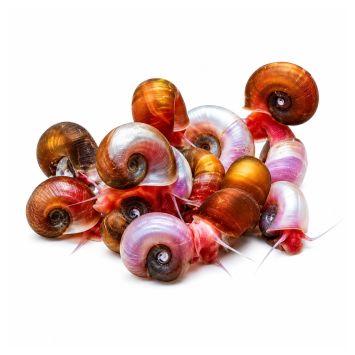
Assorted Ramshorn Snails for Sale
$19.99
In stock
SKU
Assorted Ramshorn Snails
Assorted Ramshorn Snails are vibrant freshwater snails with spiral shells in red, brown, and cream shades, offering both beauty and practicality for your aquarium. These snails naturally clean algae, leftover food, and decaying plant matter, making tank maintenance effortless. Perfect for planted aquariums, community tanks, or beginner setups, they thrive in a variety of freshwater conditions. What sets them apart is their peaceful nature, compatibility with most fish and invertebrates, and ability to combine decoration with utility. Adding Assorted Ramshorn Snails brings charm and functionality to your tank, keeping it healthy, lively, and visually appealing at the same time. Also, baby ramshorn snails can be a great live food source for our newest fish, the Dwarf Pea Puffer.
Backed by The Shrimp Farm's Live Arrival Guarantee!
Assorted Ramshorn Snails maintain your aquarium naturally by feeding on algae, uneaten food, and decaying plants, reducing waste buildup and helping preserve water quality. Their colorful spiral shells make them a striking addition, blending aesthetics with practical cleanup. Unlike other snails, they are hardy, adaptable, and compatible with a wide range of freshwater setups, making them a reliable choice for both beginners and experienced aquarists. These snails are ideal for planted tanks, community aquariums, or any environment that needs gentle, continuous maintenance. With Assorted Ramshorn Snails, your tank stays clean, visually interesting, and balanced without constant intervention.
Why Choose Assorted Ramshorn Snails?
-
Efficient natural algae eaters that keep tanks clean
-
Peaceful and compatible with most community fish and invertebrates
-
Assorted shell colors add visual interest and variety
-
Hardy species, suitable for beginners and experienced aquarists
-
Help aerate substrate, reducing buildup and promoting healthy plants
-
Reproduce easily in stable freshwater tanks for ongoing tank population
-
Low-maintenance and adaptable to a range of water conditions
-
Enhance overall ecosystem balance in aquariums naturally
-
Non-aggressive and won’t harm tank mates
-
Adds movement and life to the tank, creating a dynamic environment
When Receiving Snails:
-
Place the snails in a specific corner of the tank and make a note of where you placed them
-
Watch the snails over a 1 week period, if they do not move remove them from the aquarium
-
Give the snails a smell - if they stink, they are dead
-
If they do not smell, add them back to the aquarium and give it another 3 days
-
It is super common for snails to burrow into the substrate and disappear from sight (especially Assassin Snails)
Feeding & Tank Requirements
-
Feed algae, blanched vegetables, and calcium-rich supplements
-
Provide cuttlebone or crushed coral for strong shell development
-
Maintain water temperature between 68–82°F (20–28°C)
-
Keep pH levels stable between 6.5–8.0
-
Minimum tank size: 5 gallons for proper mobility and comfort
-
Fine gravel or sand substrate preferred for easy movement
-
Include hiding spots using plants, rocks, or décor
-
Regular water changes and filtration are essential to prevent buildup
-
Avoid overfeeding to reduce risk of water pollution and overpopulation
-
Quarantine new snails to prevent introducing parasites or diseases
|
Specification |
Details |
|
Species |
Ramshorn Snail (Assorted Colors) |
|
Size Range |
0.5–1.5 inches |
|
Water Type |
Freshwater |
|
Temperature Range |
68–82°F (20–28°C) |
|
pH Range |
6.5–8.0 |
|
Diet |
Algae, blanched vegetables, calcium supplements |
|
Tank Size |
Minimum 5 gallons |
|
Lifespan |
1–3 years |
|
Temperament |
Peaceful, non-aggressive |
|
Breeding |
Livebearer, reproduces easily in stable tanks |
|
Substrate Preference |
Fine gravel or sand |
|
Origin |
Captive-bred |
Q: Are Ramshorn snails safe for planted tanks?
A: Yes, they coexist well with plants and mainly consume algae or decaying leaves without harming healthy foliage.
Q: How fast do Ramshorn snails reproduce?
A: They reproduce quickly under optimal conditions, laying egg clusters weekly in stable freshwater tanks.
Q: Do they eat all types of algae?
A: They prefer soft algae like green or brown algae but may ignore tougher red or blue-green algae types.
Q: Can they survive in cold water tanks?
A: They tolerate slightly cooler water but thrive in 68–82°F. Prolonged temps below 65°F can slow activity and reproduction.
Q: How do I prevent overpopulation?
A: Control feeding, remove excess snails or eggs, and maintain balanced water conditions to naturally limit population growth.
Q: Do they need calcium for shell health?
A: Yes, calcium is vital. Offer supplements, cuttlebone, or calcium-rich vegetables to prevent shell damage or deformities.
Q: Can they live with fish?
A: Yes, peaceful fish are compatible, but avoid snail-eating species like puffers or loaches.
Q: What substrate do they prefer?
A: Fine gravel or sand is ideal, allowing movement and preventing shell damage while foraging.
Q: How do I tell if a snail is healthy?
A: A healthy snail has a complete shell, active movement, and responds to food. Cracks or lethargy indicate stress or poor water conditions.
Q: Do they clean the tank completely?
A: They help manage algae and detritus but cannot replace regular maintenance. Proper filtration is needed for best results.
Q: Can they survive without plants?
A: Yes, but plants provide hiding spaces and grazing surfaces, which make the tank more comfortable.
Q: Are they compatible with shrimp?
A: Yes, they coexist well with freshwater shrimp, sharing space peacefully while consuming similar algae.
Login and Registration Form