

 Shrimp
 Fish
Fish Crab &
 Plants
 Foods
Foods Snails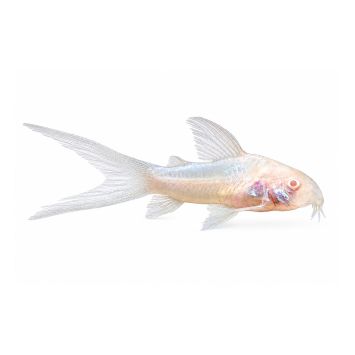
Albino Long Fin Corydoras (Corydoras Paleatus Albino)
$8.99
In stock
SKU
Albino Long Fin Corydoras
The Albino Long Fin Corydoras (Corydoras paleatus Albino) is a stunning color variation of the popular Bronze Corydoras, known for its peaceful temperament and bottom-dwelling behavior. Originally bred through selective breeding programs, this albino variety features striking white to pale pink coloration with distinctive long, flowing fins that set it apart from standard Corydoras. These peaceful catfish are excellent community tank inhabitants and serve as efficient cleanup crew members in freshwater aquariums.
Backed by The Shrimp Farm's Live Arrival Guarantee!
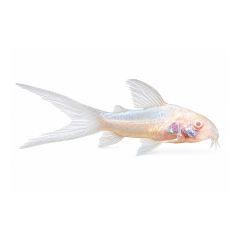
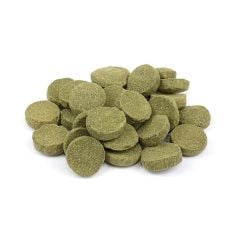
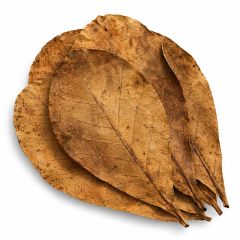
Albino Long Fin Corydoras are highly social fish that thrive best when kept in groups of 3 or more individuals, where they display natural schooling behaviors and actively forage together along the substrate. They prefer well-maintained aquariums with soft substrate like fine sand or smooth rounded gravel to protect their delicate sensory barbels, which they use to search for food. These hardy fish have a lifespan of 5-10 years with proper care and attention, and typically reach a mature size of 2.5-3 inches in length. They are available for purchase at a size of approximately 1-1.5 inches, allowing them to adapt easily to new aquarium environments.
Why Choose Albino Long Fin Corydoras?
- Peaceful community fish perfect for beginners
- Active and entertaining to watch
- Helps keep substrate clean by foraging for leftover food
- Hardy and adaptable to various water conditions
- Beautiful flowing fins and unique albino coloration
- Social species that displays natural behaviors in groups
Tank Requirements:
- Minimum 20-gallon aquarium for a small group
- Soft, fine sand substrate (essential for barbel health)
- Planted tank with hiding spots and driftwood
- Gentle filtration with moderate water flow
- Stable water parameters: 72-78°F, pH 6.5-7.5
SPECIFICATIONS
| Specification | Details |
|---|---|
| Scientific Name | Corydoras paleatus (Albino variety) |
| Common Names | Albino Long Fin Corydoras, Albino Longfin Cory, Albino Peppered Cory |
| Origin | Captive bred (original species from South America) |
| Adult Size | 2.5 - 3 inches |
| Lifespan | 5 - 10 years |
| Temperament | Peaceful, social |
| Tank Level | Bottom dweller |
| Minimum Tank Size | 20 gallons |
| Diet | Omnivore - sinking pellets, wafers, frozen foods |
| Breeding | Egg layer |
| Care Level | Easy to Moderate |
| Water Temperature | 72-78°F (22-26°C) |
| pH Range | 6.5 - 7.5 |
| Water Hardness | 5-15 dGH |
| Tank Setup | Soft substrate (sand preferred), plants, hiding spots |
| Compatibility | Community fish - peaceful tankmates |
| Schooling | Yes - keep in groups of 3+ |
Q: How many Albino Long Fin Corydoras should I keep together?
A: Corydoras are social fish that thrive in groups. We recommend keeping at least 3-6 individuals together. They feel more secure and display more natural behavior when kept in groups.
Q: What substrate is best for Albino Long Fin Corydoras?
A: Soft, fine sand is ideal. Corydoras have delicate barbels (whiskers) that they use to forage for food. Rough gravel can damage their barbels, so smooth substrate is essential for their health.
Q: What should I feed my Albino Long Fin Corydoras?
A: Feed a varied diet including high-quality sinking pellets, algae wafers, bloodworms, brine shrimp, and other sinking foods. They are bottom feeders, so make sure food reaches the substrate. Feed once or twice daily.
Q: Are Albino Long Fin Corydoras compatible with other fish?
A: Yes! They are very peaceful and make excellent community fish. Compatible tankmates include tetras, rasboras, guppies, mollies, dwarf gouramis, and other peaceful species. Avoid aggressive fish that might nip their long fins.
Q: Why are my Corydoras gasping at the surface?
A: This is normal behavior! Corydoras are facultative air breathers, meaning they occasionally gulp air from the surface to supplement their oxygen intake. However, if it's excessive, check your water quality.
Q: What size tank do I need for Albino Long Fin Corydoras?
A: A minimum of 20 gallons is recommended for a small group of 3-6 Corydoras. Larger tanks are always better and provide more stable water conditions.
Q: How do I know if my Corydoras is male or female?
A: Females are typically larger and rounder (especially when viewed from above) compared to males. Males are usually slimmer and slightly smaller.
Q: Do Albino Long Fin Corydoras clean the tank?
A: While they help by eating leftover food and debris from the substrate, they are not true "algae eaters." They should not be relied upon as the sole cleanup crew, and they still need regular feedings.
Q: Can Albino Long Fin Corydoras breed in my aquarium?
A: Yes, they can breed in home aquariums if conditions are right. Provide good water quality, cooler water changes to simulate rainy season, and plenty of protein-rich foods. Females lay eggs on flat surfaces like glass or plant leaves.
Q: Why are my Corydoras' barbels short or missing?
A: This usually indicates poor substrate choice (sharp gravel) or poor water quality. Maintain clean water with regular water changes and use soft substrate to prevent barbel damage.
Q: What temperature should I keep the water at?
A: Maintain water temperature between 72-78°F (22-26°C). They can tolerate slightly cooler temperatures but avoid sudden temperature fluctuations.
Q: Are these fish sensitive to medications?
A: Like most scaleless fish, Corydoras can be sensitive to certain medications, especially those containing copper. Always use half-dose when treating and research fish-safe treatments.
Related Products


Login and Registration Form