

 Shrimp
 Fish
Fish Crab &
 Plants
 Foods
Foods Snails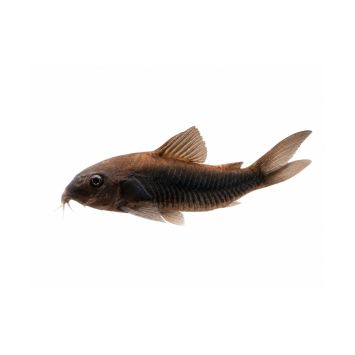
Black Venezuela Cory Catfish for Sale (Corydoras schultzei)
$29.99
In stock
SKU
Black Venezuela Corydoras
Looking for Black Venezuela Cory Catfish for sale? The Corydoras schultzei, also known as the Black Cory, is one of the most sought-after Corydoras thanks to its deep black coloration, peaceful temperament, and active schooling behavior.
These rare bottom-dwelling catfish are perfect for community aquariums and thrive when kept in groups. At The Shrimp Farm, all Black Venezuela Corys are carefully selected, healthy, and shipped with live arrival guarantee.
Shop now and add one of the most unique Corydoras species to your aquarium.
Black Venezuela Cory Catfish Quick Facts
- Scientific Name: Corydoras schultzei
- Common Names: Black Venezuela Cory, Black Cory Catfish
- Care Level: Easy (Beginner-Friendly)
- Temperament: Peaceful, social
- Size: 2–2.5 inches (fully grown)
- Lifespan: 5–7 years
- Tank Size: 10+ gallons (20+ gallons recommended for groups)
- Temperature: 72–79°F
- pH: 6.0–7.5
- Diet: Omnivore (sinking pellets, wafers, frozen/live foods)
- Behavior: Active bottom-dweller, thrives in groups of 5+
- Compatibility: Great for community tanks and shrimp setups
Why Black Venezuela Cory Catfish Are So Rare
The Black Venezuela Cory Catfish is a selectively bred color variant originally developed by German aquarists and is not commonly mass-produced, making it much harder to find than standard Corydoras species.
Why Black Venezuela Cory Catfish Stand Out
The Black Venezuela Cory Catfish (Corydoras schultzei) is one of the most visually striking and sought-after Corydoras available—and for good reason. Unlike typical cory catfish with lighter or spotted patterns, this variety features a deep, velvety black coloration that creates bold contrast against planted aquariums and lighter substrates.
What truly sets them apart isn’t just their appearance—it’s the combination of beauty, behavior, and versatility:
- Rare, Jet-Black Coloration – A unique, almost metallic black tone that stands out compared to standard cory species
- Peaceful Community Fish – Perfect for shrimp tanks and community aquariums with other small, non-aggressive fish
- Active Bottom Dwellers – Constantly scavenging and exploring, helping keep your substrate clean
- Hardy and Beginner-Friendly – Adaptable to a wide range of water conditions, making them great for new aquarists
- Best Kept in Groups – Their social nature means they thrive and display natural behavior when kept in schools of 6 or more.
If you’re looking for a bottom-dwelling fish that combines rare coloration, gentle temperament, and constant activity, the Black Venezuela Cory Catfish is a standout choice that elevates any freshwater aquarium.
Can Black Venezuela Cory Catfish Live with Shrimp?
Yes—Black Venezuela Cory Catfish (Corydoras schultzei) are generally safe to keep with shrimp, making them a great addition to shrimp-friendly community aquariums. Their peaceful nature and bottom-dwelling behavior mean they rarely bother adult shrimp.
Here’s what to expect:
- Shrimp Compatibility: Safe with adult shrimp like Neocaridina shrimp and Amano shrimp
- Temperament: Non-aggressive and focused on scavenging the substrate
- Behavior: Spend most of their time sifting sand for food, not hunting tank mates
- Baby Shrimp (Shrimplets): Very small shrimplets may occasionally be eaten if encountered
- Best Practice: Provide dense plants, moss, or hiding spaces to protect young shrimp
For best results, keep your corys well-fed and maintain a planted tank with plenty of cover. This allows both species to thrive together while minimizing any risk to baby shrimp.
Overall, if you’re building a peaceful, active aquarium, Black Venezuela Cory Catfish and shrimp make an excellent pairing.
Best Tank Mates for Black Venezuela Cory Catfish
Black Venezuela Cory Catfish are one of the most peaceful bottom-dwelling fish available, making them an excellent choice for community aquariums. Their calm temperament and schooling behavior allow them to coexist with a wide variety of freshwater fish, shrimp, and invertebrates.
When selecting tank mates, choose species that are peaceful, non-aggressive, and enjoy similar water conditions.
Cherry Shrimp
One of the best companions for Black Venezuela Cory Catfish is Cherry Shrimp for Sale. These corys spend most of their time searching the substrate for food and generally ignore adult shrimp. Both species thrive in planted aquariums and help create a natural, active ecosystem.
Other Freshwater Shrimp
Black Venezuela Corys also do well with:
- Amano Shrimp for sale
- Blue Dream Shrimp
- Bloody Mary Shrimp
- Orange Sakura Shrimp
- Ghost Shrimp
While adult shrimp are typically safe, very small shrimplets may occasionally be eaten in any community aquarium.
Other Corydoras Species
Because they are schooling fish, Black Venezuela Cory Catfish pair well with other peaceful cory species, including:
- Panda Cory Catfish
- Sterba's Cory Catfish
- Green Cory Catfish
- Julii Cory Catfish
- Albino Cory Catfish
Many hobbyists successfully keep mixed-species cory groups in larger aquariums.
Small Schooling Fish
The best mid-water tank mates include:
- Neon Tetras
- Cardinal Tetras
- Ember Tetras
- Harlequin Rasboras
- Chili Rasboras
- White Cloud Mountain Minnows
- Celestial Pearl Danios
These peaceful fish occupy different areas of the aquarium and complement the active bottom-dwelling behavior of Black Venezuela Corys.
Livebearers
Many livebearers are also excellent choices:
- Fancy Guppies
- Endler's Livebearers
- Platies
- Mollies
Their colorful appearance provides a beautiful contrast to the dark coloration of Black Venezuela Cory Catfish.
Aquarium Plants Pair Well Too
Black Venezuela Corys thrive in planted aquariums with:
- Java Fern plants
- Anubias
- Amazon Sword Plants
- Cryptocoryne Species
- Floating Plants
Plants provide cover, reduce stress, and help encourage natural behavior.
Tank Mates to Avoid
Avoid housing Black Venezuela Cory Catfish with aggressive or predatory fish such as:
- Large Cichlids
- Oscars
- Jack Dempseys
- Red Tail Sharks
- Aggressive Barbs
These fish may stress, outcompete, or injure peaceful cory catfish.
Final Thoughts
The best tank mates for Black Venezuela Cory Catfish are peaceful community fish and freshwater shrimp. Their gentle nature makes them an excellent addition to planted aquariums, shrimp tanks, and community setups. For the most natural behavior, keep Black Venezuela Corys in groups of at least six and pair them with compatible species such as Cherry Shrimp, tetras, rasboras, guppies, and other cory catfish.
Why Buy Black Venezuela Cory Catfish Online from The Shrimp Farm
✅ Healthy, Carefully Selected Fish
Every Black Venezuela Cory Catfish is inspected for health, activity, and coloration before shipping to ensure you receive strong, thriving fish.
✅ Shrimp-Safe and Community Friendly
These peaceful bottom dwellers are one of our favorite fish to keep alongside freshwater shrimp and other non-aggressive community species.
✅ Expert Care from Experienced Aquarists
We specialize in shrimp, nano fish, and planted aquariums. Our team has firsthand experience keeping and breeding many of the species we sell.
✅ Fast, Professionally Packed Shipping
All livestock is packed using insulated shipping materials and proven techniques designed to maximize survival during transit.
✅ Live Arrival Guarantee
Order with confidence knowing your fish are backed by our live arrival guarantee.
✅ Bundle Pricing Available
Save money when purchasing recommended group sizes. Black Venezuela Corys are schooling fish and thrive when kept in groups.
✅ Trusted by Hobbyists Nationwide
Thousands of aquarists across the United States trust The Shrimp Farm for healthy livestock, aquarium plants, shrimp, and aquarium supplies.
✅ Real Fish Photos
We use real photos of the fish we keep and sell whenever possible, giving you a more accurate representation of the livestock you can expect to receive.
Backed by The Shrimp Farm's Live Arrival Guarantee!
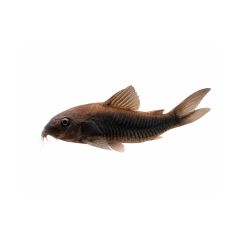
Black Venezuela Cory Catfish (Corydoras schultzei) enliven freshwater aquariums with their deep, dark bodies and active, social nature. Unlike some delicate species, they are peaceful, resilient, and easy to care for, thriving in a range of freshwater conditions with stable water parameters and gentle filtration. These bottom‑feeders forage through the substrate, helping reduce waste buildup while accepting a variety of sinking pellets, frozen foods, and live treats as part of a balanced diet. Best kept in groups to encourage natural schooling behavior, Black Venezuela Cory Catfish are ideal for planted or community tanks where they add movement, character, and subtle natural maintenance.
Black Venezuela Cory Catfish vs Green Cory Catfish
Black Venezuela Cory Catfish and Green Cory Catfish are closely related species that share many of the same care requirements. Both are peaceful, beginner-friendly bottom dwellers that thrive in community aquariums, but there are some key differences in appearance and popularity.
| Feature | Black Venezuela Cory Catfish | Green Cory Catfish |
|---|---|---|
| Scientific Name | Corydoras schultzei | Corydoras aeneus |
| Adult Size | 2.5–3 inches | 2.5–3 inches |
| Care Level | Easy | Easy |
| Temperament | Peaceful | Peaceful |
| Group Size | 6+ recommended | 6+ recommended |
| Shrimp Safe | Yes | Yes |
| Coloration | Deep black body with dark fins | Bronze-green metallic coloration |
| Rarity | Less common | Very common |
| Beginner Friendly | Yes | Yes |
| Best Tank Size | 20+ gallons | 20+ gallons |
Which Cory Catfish Is Better?
For most aquarists, both species are excellent choices. The decision largely comes down to appearance and availability.
Choose Black Venezuela Cory Catfish if you want:
-
A unique and less common cory species
-
Striking dark coloration that stands out in planted tanks
-
A premium-looking bottom dweller
-
A fish that contrasts beautifully with green plants and light substrates
Choose Green Cory Catfish if you want:
-
One of the hardiest cory species available
-
A budget-friendly option
-
A widely available beginner fish
-
A proven community tank favorite
Our Recommendation
At The Shrimp Farm, Black Venezuela Cory Catfish are often chosen by hobbyists looking for something a little more unique than the traditional Green Cory. Their rich black coloration, active personality, and shrimp-safe nature make them a standout addition to planted aquariums and peaceful community tanks.
No matter which species you choose, both Black Venezuela Corys and Green Corys should be kept in groups of at least six and provided with a soft substrate, clean water, and plenty of hiding places to display their best behavior.
Real Owner Tips for Keeping Black Venezuela Cory Catfish
At The Shrimp Farm, we've found that Black Venezuela Cory Catfish are one of the most active and rewarding cory species when their social and environmental needs are met. Here are a few tips we've learned from keeping and shipping these fish:
Keep Them in Larger Groups
While they can survive in smaller numbers, Black Venezuela Corys are noticeably more confident, active, and visible when kept in groups of at least 6. Larger groups often display natural schooling behavior and spend more time out in the open.
Fine Sand Makes a Big Difference
These corys love to sift through the substrate using their barbels. Fine sand allows them to forage naturally and helps prevent barbel damage that can occur with sharp gravel.
Feed After the Lights Go Out
Although they are active during the day, we've noticed they eagerly search for food in the evening. Offering sinking pellets or frozen foods after lights-out helps ensure they get their share in busy community tanks.
Don't Rely on Them as "Clean-Up Fish"
Black Venezuela Corys will eat leftover food, but they still need a dedicated diet of high-quality sinking foods. Well-fed corys display better coloration, activity levels, and overall health.
Stable Water Is More Important Than Chasing Numbers
We've found these fish adapt well to a range of water parameters as long as conditions remain stable. Consistent maintenance and clean water are far more important than trying to achieve a perfect pH.
Add Driftwood, Plants, and Cover
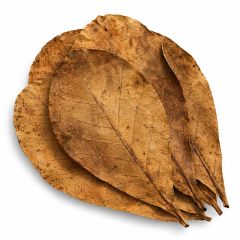
Black Venezuela Corys become much more relaxed when they have shaded areas and hiding spots. A planted aquarium with driftwood and leaf litter often encourages more natural behavior and helps them settle in quickly after shipping.
When provided with a soft substrate, a proper group size, and clean water, Black Venezuela Cory Catfish are among the easiest and most enjoyable bottom-dwelling fish to keep in a freshwater community aquarium.
Black Venezuela Cory Care Guide
- Size: Up to 2.5 inches
- Temperament: Peaceful
- Tank Size: 20+ gallons
- Group Size: 5+ recommended
- Temperature: 70–78°F
- Diet: Omnivore
What they actually eat (real foods)
These should be the base of your daily diet:
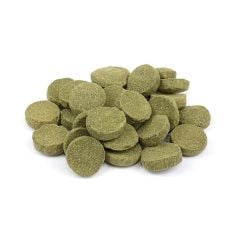
- Sinking pellets (shrimp pellets, carnivore pellets)
- Micro wafers
- Premium bottom feeder tablets
These ensure every fish gets food (they don’t compete well at the surface)
Protein treats (2–3x per week)
This is where they thrive:
- Bloodworms (frozen or live)
- Brine shrimp
- Daphnia
- Tubifex worms
Protein = faster growth + better color
Occasional plant-based foods
Not required, but beneficial:
- Algae Wafers
- Blanched zucchini
- Spinach
Q: Are Corydoras Schultzei Black Venezuela safe for community aquariums?
A: Yes, they are peaceful, social bottom dwellers that coexist well with calm, non‑aggressive fish and shrimp in a community freshwater setup.
Q: How many Corydoras Schultzei Black Venezuela should be kept together?
A: They thrive in small schools; groups of four or more encourage natural schooling behavior, reduce stress, and support active, confident fish.
Q: What do Corydoras Schultzei Black Venezuela eat?
A: They are omnivores that enjoy high‑quality sinking pellets, algae wafers, and occasional frozen or live foods like bloodworms and brine shrimp.
Q: Do they require specific water parameters?
A: Yes, they prefer stable freshwater with pH around 6.0–7.5 and temperatures near 72–78°F to stay healthy and active.
Q: Can they live in planted tanks?
A: Absolutely, they thrive in planted tanks, using cover from vegetation and décor while gently foraging along the bottom.
Q: Do they need hiding places?
A: Yes, plants, driftwood, caves, and shaded areas help them feel secure, reduce stress, and allow natural resting behavior.
Q: How do I prevent stress in Corydoras Schultzei Black Venezuela?
A: Maintain stable water conditions, provide hiding spots, avoid aggressive tank mates, and do regular water changes to keep them healthy and stress‑free.
Q: Can they help clean the tank?
A: Yes, they scavenge leftover food and detritus from the substrate, supporting better cleanup and reinforcing natural aquarium processes.
Q: Are they difficult to care for?
A: No, they are hardy with proper water conditions, substrate, and diet, making them suitable for beginner and seasoned aquarists.
Q: How long do Corydoras Schultzei Black Venezuela live?
A: With proper care, they can live about five to ten years, providing long‑term bottom‑dwelling activity and beauty in your aquarium.
Q: Can they breed in home aquariums?
A: Yes, they are egg layers and may breed in stable, established aquariums with good water quality and a calm environment.
Q: Can they coexist with other bottom dwellers?
A: Yes, but avoid larger or aggressive bottom fish that might intimidate or outcompete them; peaceful species like tetras and rasboras are good companions.
Related Products


Login and Registration Form