


 Shrimp
 Fish
Fish Crab &
 Plants
 Foods
Foods Snails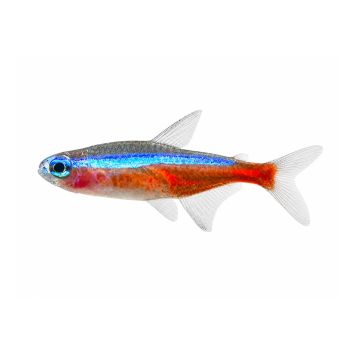
Cardinal Tetra Fish for Sale (Paracheirodon axelrodi) – Bright Red & Blue Schooling Fish
$4.99
Out of stock
SKU
Cardinal-tetra
The Cardinal Tetra (Paracheirodon axelrodi) is one of the most vibrant and sought-after freshwater aquarium fish, known for its striking red and electric blue coloration. Often confused with the Neon Tetra, cardinal tetras display a deeper red stripe that runs the full length of their body, making them a standout choice for planted aquariums and aquascapes.
These peaceful nano fish thrive in groups and create stunning schooling displays, especially in well-planted tanks with subdued lighting. Cardinal tetras are an excellent choice for community aquariums and are compatible with other small, non-aggressive species. If you are new to keeping them, our detailed Cardinal Tetra Care Guide will walk you through everything you need to know.
Cardinal Tetra Quick Facts
- Scientific Name: Paracheirodon axelrodi
- Care Level: Easy–Moderate
- Temperament: Peaceful
- Adult Size: ~2 inches
- Lifespan: 3–5 years
- Minimum Tank Size: 10 gallons (20+ recommended for schools)
Are Cardinal Tetras Good for Beginners?
Cardinal Tetras (Paracheirodon axelrodi) can be a great choice for beginners—but only if your aquarium is fully cycled and stable.
They are peaceful, hardy once established, and easy to feed, but they are slightly more sensitive to poor water conditions than some other beginner fish.
✅ Why Cardinal Tetras ARE Good for Beginners
- Peaceful temperament – perfect for community tanks
- Small size – ideal for nano and mid-sized aquariums
- Easy diet – accept flakes, pellets, and frozen foods
- Low aggression – safe with most peaceful fish and shrimp
- Beautiful schooling behavior – adds instant movement and color
Beginner Challenges to Know
- Sensitive to unstable water – not ideal for brand new tanks
- Need to be kept in groups – at least 6–10 fish required
- Prefer soft, slightly acidic water for best health and color
Beginner Tip for Success
If you’re new to fishkeeping, the key is simple:
Make sure your tank is fully cycled before adding Cardinal Tetras
Once added to a stable environment, they are easy to care for, peaceful, and incredibly rewarding fish that thrive in planted aquariums.
Final Verdict
Yes—Cardinal Tetras are beginner-friendly with proper setup
They may require a bit more attention at the start, but once established, they are one of the best schooling fish for beginner aquarists looking for vibrant color and peaceful behavior.
Why Choose Cardinal Tetras?
- Brilliant red and blue coloration (more vibrant than neon tetras)
- Peaceful and ideal for community tanks
- Perfect for planted aquariums and aquascaping
- Small size makes them great for nano fish tanks
- Best kept in schools for natural behavior
Tank Mates for Cardinal Tetra
Great tank mates for Cardinal Tetras include:
Cardinal Tetras are one of the most popular freshwater aquarium fish for planted tanks and nano aquariums.
Why Buy Cardinal Tetras Online from The Shrimp Farm?
- Healthy, Vibrant Fish – Hand-selected for bright color, strong health, and active behavior
- Shrimp-Safe & Community Friendly – Perfect for planted tanks, nano fish setups, and peaceful aquariums
- Expert Care & Selection – Specialized in nano fish and shrimp-safe species with proven care standards
- Fast, Safe Shipping – Insulated packaging with temperature control to reduce stress during transit
- Live Arrival Guarantee – Buy with confidence knowing your fish are protected on arrival
- Bundle Pricing Available – Save more when you stock proper schooling groups (6–10+ recommended)
- Trusted Nationwide – Thousands of hobbyists rely on The Shrimp Farm for quality and consistency
Pro Tip: Cardinal Tetras thrive in groups—ordering a full school upfront leads to better color, tighter schooling, and less stress in your aquarium.
BACKED BY THE SHRIMP FARM'S LIVE ARRIVAL GUARANTEE!
Cardinal Tetra Care Guide (Tank Setup, Diet & Water Parameters)
Cardinal Tetras (Paracheirodon axelrodi) are one of the most popular freshwater aquarium fish for sale, known for their bright red and blue coloration and peaceful schooling behavior. While they are easy to care for once established, they thrive best in stable, well-maintained aquariums that mimic their natural environment.
Ideal Water Parameters for Cardinal Tetra
Maintaining stable water conditions is the key to long-term success:
- Temperature: 73–81°F
- pH: 5.5–7.0 (slightly acidic preferred)
- Water Hardness: Soft to moderately soft
- Ammonia/Nitrite: 0 ppm
- Nitrate: <20 ppm
Pro Tip: Stability matters more than chasing exact numbers—avoid sudden changes.
Tank Size & Setup for Cardinal Tetra
- Minimum Tank Size: 10 gallons
- Recommended: 20+ gallons for proper schooling
- Use a heavily planted aquarium with live plants
- Add driftwood or botanicals to mimic natural blackwater habitat
- Choose a dark substrate to enhance color
- Moderate to low water flow is ideal
Schooling Behavior of Cardinal Tetra
Cardinal Tetras are true schooling fish and should never be kept alone:
- Keep at least 6–10 fish (10+ preferred)
- Larger groups = brighter color and less stress
- Schools create stunning, synchronized swimming displays
Diet & Feeding of Cardinal Tetra
Cardinal Tetras are omnivores and easy to feed:
- High-quality micro pellets or flakes
- Supplement with:
- Frozen or live brine shrimp
- Daphnia
- Bloodworms (occasionally)
Feed 1–2 times daily in small portions.
Expert Tip for Best Results
Cardinal Tetras show their best color, health, and schooling behavior in planted aquariums with soft, slightly acidic water and groups of 10 or more.
Key Features
- Bright full-body red and neon blue coloration
- Peaceful schooling fish (best kept in groups of 6+)
- Ideal for planted and nano aquariums
- Compatible with shrimp and other small fish
- Beginner-friendly with stable water conditions
Cardinal Tetra vs Neon Tetra – Which One Should You Choose?
Both Cardinal Tetras (Paracheirodon axelrodi) and Neon Tetras are among the most popular freshwater aquarium fish—but they have a few key differences that can impact your decision.
If you're trying to choose between them, here’s a simple breakdown to help you decide:
| Feature | Cardinal Tetra | Neon Tetra |
|---|---|---|
| Red Color | Full body (nose to tail) | Only back half |
| Blue Stripe | Bright, vibrant | Slightly less intense |
| Adult Size | ~2 inches | ~1.5 inches |
| Water Preference | Softer, slightly acidic | More adaptable |
| Hardiness | Moderate | Beginner-friendly |
| Schooling Behavior | Tight schooling, very active | Slightly looser schooling |
| Best Tank Type | Planted / aquascaped tanks | Community tanks |
| Shrimp Safe | Yes | Yes |
Key Differences Explained
Color Impact (Biggest Visual Difference)
Cardinal Tetras are known for their full-length red stripe, making them far more vibrant and eye-catching than Neon Tetras. If you want a fish that “pops” in your tank—Cardinals win.
Hardiness & Beginner Friendliness
Neon Tetras are slightly more forgiving and better for beginners. Cardinal Tetras prefer stable, clean water conditions, but thrive once established.
Tank Aesthetics
Cardinal Tetras shine in planted aquariums and aquascapes, where their color contrast really stands out against greenery.
Which One Is Better?
- Choose Cardinal Tetras if you want:
- Maximum color and visual impact
- A premium-looking aquascape fish
- Tight, synchronized schooling behavior
- Choose Neon Tetras if you want:
- A more beginner-friendly fish
- Slightly easier care requirements
- A classic community tank addition
Pro Tip
Many experienced aquarists prefer Cardinal Tetras because their deeper red coloration and slightly larger size create a more striking display—especially in schools of 10+ fish.
Cardinal Tetra FAQ (Complete Care, Compatibility & Buying Guide)
What are Cardinal Tetras?
Cardinal Tetras (Paracheirodon axelrodi) are small, peaceful freshwater fish known for their bright blue stripe and full-length red coloration. They are popular schooling fish ideal for planted aquariums and community tanks.
How big do Cardinal Tetras get?
Cardinal Tetras grow to about 1.5–2 inches in length when fully mature, making them perfect for nano and mid-sized aquariums.
How many Cardinal Tetras should be kept together?
Cardinal Tetras should be kept in groups of at least 6–10 fish, but larger schools (10–20+) are highly recommended for:
- Better color
- Reduced stress
- Natural schooling behavior
Are Cardinal Tetras good for beginners?
Cardinal Tetras are easy to moderate in care level. They are best for beginners who can maintain:
- Stable water parameters
- A fully cycled aquarium
- Regular maintenance
What size tank do Cardinal Tetras need?
- Minimum tank size: 10 gallons
- Recommended: 20 gallons or larger for proper schooling behavior
Larger tanks allow for more stable water conditions and better fish health.
What water parameters do Cardinal Tetras need?
Ideal water conditions:
- Temperature: 73–81°F
- pH: 5.5–7.0
- Water hardness: Soft to moderately soft
They thrive in stable, slightly acidic environments, similar to their natural habitat.
Are Cardinal Tetras aggressive?
No—Cardinal Tetras are peaceful, non-aggressive fish that do well in community tanks with other calm species.
What fish can live with Cardinal Tetras?
Great tank mates include:
- Corydoras catfish
- Rasboras
- Other small peaceful tetras
- Dwarf gouramis
Avoid:
- Large or aggressive fish
- Fin-nipping species
Are Cardinal Tetras shrimp safe?
Yes—Cardinal Tetras are generally shrimp-safe and can coexist with species like Neocaridina shrimp. Very small baby shrimp may occasionally be eaten, but adults are safe.
What do Cardinal Tetras eat?
Cardinal Tetras are omnivores and eat:
- High-quality flakes or micro pellets
- Frozen or live foods like brine shrimp, daphnia, and bloodworms
Feed small portions 1–2 times daily.
How long do Cardinal Tetras live?
With proper care, Cardinal Tetras typically live 3–5 years in a well-maintained aquarium.
Do Cardinal Tetras need a planted tank?
They don’t require live plants, but they strongly prefer:
- Planted aquariums
- Hiding spots
- Natural decor like driftwood
Plants help reduce stress and enhance their color.
What is the difference between Cardinal Tetras and Neon Tetras?
The biggest difference is color:
- Cardinal Tetra: Red stripe runs the full body
- Neon Tetra: Red stripe only covers half the body
Cardinals are slightly larger and often more vibrant, while Neons are a bit more beginner-friendly.
Can Cardinal Tetras live in tap water?
Yes, but tap water must be:
- Treated with a water conditioner
- Free of chlorine and chloramines
- Stable in temperature and pH
Why are my Cardinal Tetras losing color?
Common causes include:
- Stress from small group size
- Poor water quality
- Sudden parameter changes
- Inadequate diet
Keeping them in larger schools and stable conditions restores color.
How do you acclimate Cardinal Tetras?
Proper acclimation is critical:
- Float the bag for temperature adjustment (15–20 minutes)
- Slowly add tank water over 30–45 minutes
- Gently net fish into the tank
This reduces stress and improves survival.
When should I add Cardinal Tetras to a new tank?
Only add them to a fully cycled and stable aquarium. Avoid adding them to newly set up tanks, as they are sensitive to ammonia and nitrite spikes.
Do Cardinal Tetras need a heater?
Yes—Cardinal Tetras are tropical fish and require a heater to maintain stable temperatures between 73–81°F.
Are Cardinal Tetras schooling fish?
Yes—they are true schooling fish and display their best behavior when kept in groups. A proper school creates:
- Tight swimming patterns
- Better coloration
- Reduced stress
Related Products


Login and Registration Form