

 Shrimp
 Fish
Fish Crab &
 Plants
 Foods
Foods Snails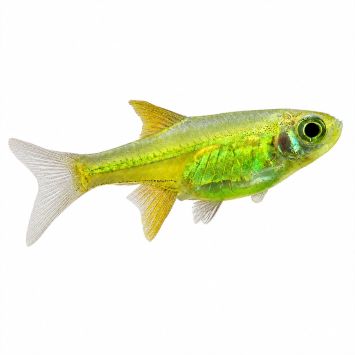
Green Kubotai Rasbora for Sale – Neon Nano Fish (Microdevario kubotai)
$7.99
In stock
SKU
Green Kubotai Rasboras
The Green Kubotai Rasbora (Microdevario kubotai) is one of the most vibrant nano fish available, known for its glowing neon green coloration and constant active movement. Perfect for planted aquariums, these peaceful schooling fish thrive in groups and create a stunning, high-energy display in any aquascape. If you're looking for a shrimp-safe, beginner-friendly nano fish, the Kubotai Rasbora is an excellent choice.
What You’ll Love About Green Kubotai Rasboras
- Bright neon green coloration that stands out in planted tanks
- Peaceful and shrimp-safe community fish
- Active schooling behavior adds constant movement
- Perfect for nano aquariums
- Easy to care for and beginner-friendly
Best Tank Mates for Green Kubotai Rasboras
Green Kubotai Rasboras are peaceful schooling fish that thrive in calm, well planted community aquariums. Choosing compatible tank mates will help them feel secure and display their brightest coloration.
✅ Ideal Tank Mates
- Neocaridina Shrimp (Cherry Shrimp, Blue Dream, etc.) – Completely shrimp-safe and a perfect pairing.
- Caridina Shrimp – Great for advanced planted tanks.
- Corydoras Catfish – Peaceful bottom dwellers that won’t compete for space.
- Otocinclus Catfish – Excellent algae eaters and very gentle tank mates.
- Tetras – Small, peaceful schooling fish with similar temperament.
- Chili Rasbora– Another nano species that thrives in the same conditions.
Tank Mates to Avoid
- Large or aggressive fish (cichlids, larger barbs)
- Fin-nipping species
- Fast, highly competitive feeders
Pro Tip
For best results, keep Green Kubotai Rasboras in groups of 6 or more with other peaceful nano fish. A densely planted aquarium will help them feel secure and encourage tight schooling behavior. In well-established planted tanks, these fish will display their brightest neon coloration and tight schooling behavior.
Why Buy Green Kubotai Rasboras Online from The Shrimp Farm
- Healthy, Vibrant Fish – Our Green Kubotai Rasboras (Microdevario kubotai) are carefully selected for their intense neon green coloration and active schooling behavior.
- Shrimp-Safe Community Fish – Peaceful and nano-sized, they are an excellent choice for shrimp tanks and planted aquariums.
- Expert Care Before Shipping – Each fish is raised and conditioned in optimal water parameters to ensure strong health and smooth acclimation.
- Fast & Safe Shipping – Professionally packed with insulation and oxygen to ensure your fish arrive in excellent condition.
- Live Arrival Guarantee – Buy with confidence knowing your order is protected.
- Perfect for Planted Tanks – Their glowing green color contrasts beautifully against live plants and aquascapes.
- Bundle Pricing Available – Save more when purchasing in groups—ideal since Kubotai Rasboras thrive in schools.
- Trusted by Aquarists Nationwide – The Shrimp Farm is known for high-quality livestock and reliable service.
Backed by The Shrimp Farm's Live Arrival Guarantee!
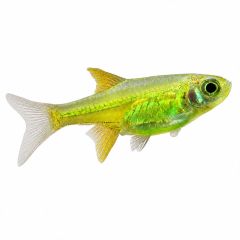
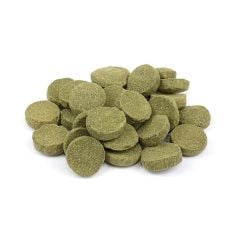

Green Kubotai Rasboras do best when introduced into a well-established aquarium, allowing them time to settle and display their full coloration. Once acclimated, they actively school through the mid-water levels, feeding on fine flakes, micro pellets, and small live or frozen foods. What sets them apart is their intense metallic green glow, which stands out dramatically against lush aquatic plants. They are best added to planted or nano aquariums with stable water parameters, gentle filtration, and peaceful tank mates, where their natural behavior and coloration can be fully appreciated.
Why Choose Green Kubotai Rasboras (Microdevario kubotai)?
-
Stunning nano fish known for vibrant neon green coloration
-
Peaceful schooling species ideal for planted and nano aquariums
-
Active mid-water swimmers that add constant movement to the tank
-
Perfect size for small aquascapes and shrimp-safe community tanks
-
Group of three is suitable for starting a school or adding to an existing group
-
Color intensifies under good lighting and lush plant growth
-
Excellent choice for nature-style and aquascaped aquariums
-
Hardy when kept in stable, well-maintained conditions
Feeding & Tank Requirements
-
Best kept in a fully cycled, mature aquarium
-
Thrive in heavily planted tanks with gentle water flow
-
Prefer soft to moderately soft water with stable parameters
-
Peaceful community fish; avoid aggressive or large tank mates
-
Feed small-sized foods such as micro pellets, crushed flakes, and live or frozen foods
-
Accept foods like baby brine shrimp, daphnia, and cyclops
-
Feed small portions 1–2 times daily
-
Maintain clean water with regular small water changes
Green Kubotai Rasbora Care Guide (Microdevario kubotai)
The Microdevario kubotai, commonly known as the Green Kubotai Rasbora or Neon Green Rasbora, is a vibrant nano schooling fish prized for its glowing green coloration and peaceful temperament. These active fish are perfect for planted aquariums and thrive when kept in proper groups.
Tank Size & Setup for Green Kubotai Rasboras
- Minimum Tank Size: 10 gallons (20+ gallons recommended for larger schools)
- Aquascape: Heavily planted with driftwood and rocks
- Substrate: Sand or fine gravel
- Lighting: Moderate to high (enhances their neon green color)
- Flow: Gentle to moderate
Dense plant cover helps them feel secure and encourages natural schooling behavior.
Water Parameters
- Temperature: 72–79°F
- pH: 6.0–7.5
- Hardness: Soft to moderately hard
- Water Type: Clean, stable, well-filtered
Stability is more important than chasing exact numbers.
Behavior & Temperament
- Peaceful and non-aggressive
- Active mid-water swimmers
- Best kept in schools
For best results, keep 6–10+ fish together to reduce stress and bring out their brightest coloration.
Lifespan & Size of Green Kubotai Rasboras
- Adult Size: ~1 inch
- Lifespan: 3–5 years with proper care
Breeding Green Kubotai Rasboras
- Egg scatterers
- Prefer heavily planted tanks or moss
- Fry require very fine foods (infusoria, baby brine shrimp)
Pro Tips for Success
- Keep them in larger groups for best color and behavior
- Use a dark substrate and background to enhance their neon green glow
- Perform regular water changes to maintain pristine conditions
Q: Are Green Kubotai Rasboras suitable for beginners?
A: Yes. They are hardy and adaptable when kept in stable, well-maintained aquariums.
Q: Is a group of three enough for Kubotai Rasboras?
A: Three is suitable as a starter group, but larger groups of 6 or more are recommended for more natural schooling behavior.
Q: Can Green Kubotai Rasboras be kept with shrimp?
A: Yes. They are shrimp-safe and do not pose a threat to adult shrimp or shrimplets.
Q: Do they require a planted tank?
A: While not mandatory, planted tanks help them feel secure and enhance their coloration.
Q: What do Green Kubotai Rasboras eat?
A: They eat micro pellets, crushed flakes, and live or frozen foods like baby brine shrimp and daphnia.
Q: Can they live with bettas or larger fish?
A: They should only be kept with peaceful tank mates. Large or aggressive fish may stress them.
Q: How often should they be fed?
A: Feed small amounts 1–2 times per day, ensuring food is appropriately sized.
Q: Do Green Kubotai Rasboras jump?
A: They can jump when startled, so a lid or covered tank is recommended.
Q: Will their green color fade?
A: Proper lighting, a healthy diet, and low stress help maintain vibrant coloration.
Q: Are they suitable for nano tanks?
A: Yes. They are ideal for nano aquariums with sufficient swimming space.
Q: Can they breed in home aquariums?
A: Breeding is possible but uncommon in community tanks without specific breeding setups.
Q: How can I improve their long-term health?
A: Maintain stable water parameters, avoid overcrowding, provide plants, and perform regular water changes.
Q: Have more questions about Green Kubotai Rasboras?
A: Check out our care guide at SF University!
Related Products


Login and Registration Form