


 Shrimp
 Fish
Fish Crab &
 Plants
 Foods
Foods Snails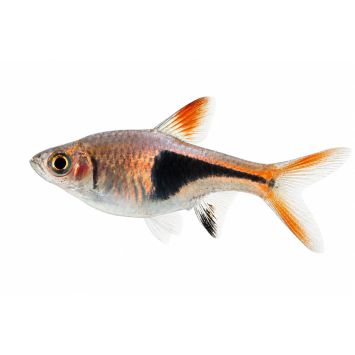
Harlequin Rasbora for Sale (Rasbora heteromorpha)
$4.99
In stock
SKU
Harlequin Rasbora
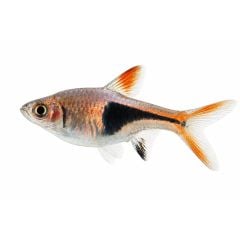
The Harlequin Rasbora (Trigonostigma heteromorpha) is one of the most popular freshwater nano fish in the aquarium hobby—and for good reason. Known for their vibrant orange coloration and striking black triangle pattern, these peaceful schooling fish are perfect for beginner and experienced aquarists alike.
Harlequin rasboras thrive in groups and create stunning movement in planted aquariums. Their hardy nature and adaptability make them one of the easiest fish to keep, especially in community tanks with shrimp and other nano species.
If you're looking for a low-maintenance, high-impact schooling fish, Harlequin Rasboras are one of the best choices available. Harlequin Rasboras are best kept in groups of 6 or more (we offer discounted packs) to display the best behaviors and coloration.
Harlequin Rasbora Quick Facts
- Scientific Name: Trigonostigma or Rasbora heteromorpha
- Common Names: Harlequin Rasbora, Red Rasbora
- Origin: Southeast Asia (Thailand, Malaysia, Singapore)
- Adult Size: ~1.5–2 inches
- Temperament: Peaceful, schooling fish
- Difficulty Level: Beginner-friendly
- Minimum Tank Size: 10–20 gallons
- Temperature Range: 72–80°F
- pH Range: 6.0–7.5
- Diet: Omnivore (flakes, micro pellets, frozen/live foods)
- Lifespan: 5–8 years with proper care
- Schooling Requirement: Keep in groups of 6+ (10+ ideal)
- Tank Level: Mid-water swimmer
- Compatibility: Great for community tanks and shrimp-safe setups
- Breeding: Egg scatterer (moderate difficulty)
Why Choose Harlequin Rasboras?
- Bright orange coloration with bold black marking
- Extremely peaceful – perfect for community tanks
- Ideal for planted aquariums
- Hardy and beginner-friendly
- Excellent schooling behavior (best in groups of 6+)
Tank Mates for Harlequin Rasboras
Harlequin Rasboras pair well with:
Avoid aggressive or large fish.
Why Buy Harlequin Rasboras from The Shrimp Farm?
✔ Healthy, Hand-Selected Fish
Every Harlequin Rasbora is carefully inspected to ensure vibrant color, active behavior, and excellent overall health before shipping.
✔ Shrimp-Safe & Community Ready
Our fish are chosen with compatibility in mind—perfect for peaceful community tanks and safe to keep with shrimp setups.
✔ Expert Care & Conditioning
We properly acclimate and condition all fish, feeding high-quality diets so they arrive strong, stress-resistant, and ready to thrive.
✔ Fast, Safe Shipping Nationwide
Professionally packed with insulation and oxygen to ensure your fish arrive quickly and safely—no matter the season.
✔ Live Arrival Guarantee
Order with confidence knowing we stand behind every shipment with our live arrival guarantee.
✔ Bundle Pricing to Save More
Choose from single fish or discounted multi-packs (6 or 10) to build a healthy school while saving money.
✔ Trusted by Aquarists Nationwide
Thousands of hobbyists trust The Shrimp Farm for high-quality fish, shrimp, and plants—backed by real customer success.
Backed by The Shrimp Farm's Live Arrival Guarantee!

Are Harlequin Rasboras Good for Beginners?
Yes—Harlequin Rasboras are one of the best beginner fish you can choose. They’re hardy, peaceful, and adapt well to a wide range of aquarium conditions, making them perfect for new hobbyists.
✔ Why They’re Great for Beginners
- Hardy & Adaptable
Tolerates small fluctuations in water parameters better than many nano fish. - Peaceful Temperament
Gets along with a wide variety of community fish and shrimp. - Easy to Feed
Accepts flakes, micro pellets, and frozen foods without hesitation. - Low Maintenance Needs
Doesn’t require specialized care or complicated setups. - Beautiful Schooling Behavior
Naturally swims in groups, creating a stunning and active display.
✔ Beginner Tips for Success
- Start with a group of at least 6–10 for natural behavior
- Use a cycled tank before adding fish
- Keep water stable within standard tropical ranges
- Provide plants + open swimming space
Bottom Line: If you want a colorful, peaceful fish that’s easy to care for and looks amazing in a group, Harlequin Rasboras are an excellent choice for beginners.
Care Guide for Harlequin Rasboras
Scientific Name: Trigonostigma heteromorpha
Common Name: Harlequin Rasbora
Care Level: Easy
Temperament: Peaceful
Size: ~1.5–2 inches
Lifespan: 5+ years
Tank Requirements:
- Minimum Tank Size: 10 gallons
- Temperature: 72–80°F
- pH: 6.0–7.5
- Water Type: Soft to moderately hard
Diet:
- Flake food
- Micro pellets
- Frozen foods (Daphnia, brine shrimp)
Behavior & Schooling of Harlequin Rasboras
Harlequin Rasboras are true schooling fish and should always be kept in groups of at least 6, though 10+ will display the best behavior and coloration.
Larger groups:
- Reduce stress
- Improve color intensity
- Increase activity
Harlequin Rasbora vs Other Nano Fish
Choosing the right nano fish can make or break your aquarium. Here’s how Harlequin Rasboras compare to other popular small fish so you can pick the best fit for your tank.
| Fish Species | Size | Temperament | Hardiness | Best For | Schooling Behavior |
|---|---|---|---|---|---|
| Harlequin Rasbora | 1.5–2" | Very peaceful | ⭐⭐⭐⭐⭐ | Beginners, community tanks | Tight schooling |
| Neon Tetra | 1–1.5" | Peaceful | ⭐⭐⭐⭐ | Colorful community tanks | Moderate schooling |
| Chili Rasbora | ~1" | Very peaceful | ⭐⭐⭐ | Nano tanks, experienced keepers | Loose schooling |
| Celestial Pearl Danio (Galaxy Rasbora) | ~1" | Semi-shy | ⭐⭐⭐ | Planted tanks | Loose groups |
| Ember Tetra | ~1" | Peaceful | ⭐⭐⭐⭐ | Warm, planted tanks | Moderate schooling |
✔ Why Choose Harlequin Rasboras?
- More Hardy Than Most Nano Fish
Easier to care for than chili rasboras or celestial pearl danios - Better Schooling Behavior
Stay tighter together, creating a more visually appealing display - Beginner-Friendly
More forgiving with water parameters than many small fish - Versatile Tank Compatibility
Works in a wide range of community setups
✔ When to Choose Other Nano Fish
- Choose Neon Tetras if you want bright blue/red contrast
- Choose Chili Rasboras for ultra-small nano tanks
- Choose Celestial Pearl Danios for unique spotted patterns
- Choose Ember Tetras for warm-toned planted aquascapes
Bottom Line: If you want a hardy, peaceful, and visually striking schooling fish, Harlequin Rasboras are one of the best all-around nano fish available—especially for beginners and community tanks.
Ideal Tank Setup for Harlequin Rasboras
Creating the right tank setup is key to keeping Harlequin Rasboras healthy, colorful, and actively schooling. These fish thrive in environments that mimic their natural Southeast Asian habitat—soft, slightly acidic water with plenty of plants and open swimming space.
✔ Tank Size & Layout
- Minimum tank size: 10–20 gallons
- Ideal setup: 20+ gallons for larger schools
- Swimming space: Open mid-water areas are essential
- School size: Keep at least 6, ideally 10+
✔ Substrate & Hardscape
- Substrate: Dark sand or fine gravel (enhances color)
- Driftwood: Adds tannins and natural feel
- Rocks: Optional, but keep layout open
✔ Plants & Cover
- Live plants recommended: Java Fern, Anubias, Cryptocoryne
- Floating plants: Help diffuse light and reduce stress
- Balance: Dense planting + open swim zones
✔ Water Parameters
- Temperature: 72–80°F
- pH: 6.0–7.5
- Water hardness: Soft to moderately hard
- Flow: Gentle to moderate
✔ Lighting & Filtration
- Lighting: Moderate (too bright can stress them)
- Filtration: Sponge filter or gentle HOB filter
- Stability: Consistent parameters matter more than perfection
✔ Pro Tips for Success
- Perform regular water changes (20–30% weekly)
- Keep them in stable, established tanks
- Add leaf litter or botanicals for a natural look
- Avoid overly aggressive tank mates
Harlequin Rasbora FAQ
What size tank do Harlequin Rasboras need?
Harlequin Rasboras do best in a minimum 10–20 gallon tank, with larger tanks preferred for bigger schools. More space allows for better swimming behavior and reduces stress.
How many Harlequin Rasboras should be kept together?
They are schooling fish and should be kept in groups of at least 6, with 10 or more ideal. Larger groups bring out their natural behavior and improve coloration.
Are Harlequin Rasboras good for beginners?
Yes, Harlequin Rasboras are excellent beginner fish. They are hardy, peaceful, and adapt well to a variety of stable aquarium conditions.
Can Harlequin Rasboras live with shrimp?
Yes, they are generally shrimp-safe, especially with adult shrimp like cherry shrimp or amano shrimp. However, very small baby shrimp may occasionally be eaten.
What do Harlequin Rasboras eat?
They are omnivores and will eat:
- High-quality flakes or micro pellets
- Frozen foods like bloodworms and brine shrimp
- Live foods for optimal health and color
What temperature do Harlequin Rasboras need?
They thrive in temperatures between 72–80°F, with stable conditions being more important than exact numbers.
What pH is best for Harlequin Rasboras?
A pH range of 6.0–7.5 is ideal. Slightly acidic water helps mimic their natural habitat and enhances coloration.
Are Harlequin Rasboras aggressive?
No, they are very peaceful fish and do well in community aquariums with other non-aggressive species.
Do Harlequin Rasboras need a planted tank?
They don’t require plants, but they thrive in planted aquariums with hiding spots and open swimming areas. Plants help reduce stress and improve overall health.
How long do Harlequin Rasboras live?
With proper care, they typically live 5–8 years, making them a long-term addition to your aquarium.
Do Harlequin Rasboras jump?
They can occasionally jump, especially if startled, so a lid or covered tank is recommended.
Can Harlequin Rasboras breed in a home aquarium?
Yes, they can breed, but it is moderately difficult. They are egg scatterers and prefer soft, slightly acidic water with broad-leaf plants for spawning.
Are Harlequin Rasboras better than tetras?
It depends on preference, but Harlequin Rasboras are often considered:
- More hardy
- More consistent schoolers
- Slightly more forgiving for beginners
How often should you feed Harlequin Rasboras?
Harlequin Rasboras should be fed 1–2 times per day in small amounts they can eat within 1–2 minutes. Overfeeding can lead to poor water quality, so it’s best to keep portions controlled.
Do Harlequin Rasboras need a heater?
Yes, Harlequin Rasboras are tropical fish and require a stable temperature between 72–80°F. A reliable aquarium heater helps maintain consistent conditions, especially in cooler environments.
How many Harlequin Rasboras per gallon?
A general guideline is 1 rasbora per 2 gallons of water, but they should always be kept in groups of at least 6. Larger tanks allow for bigger schools and more natural behavior.
Do Harlequin Rasboras need a filter?
Yes, a filter is essential to maintain clean, stable water conditions. A gentle filter like a sponge filter or low-flow HOB filter works best to avoid strong currents.
Do Harlequin Rasboras jump out of tanks?
They can occasionally jump, especially if startled or stressed. It’s recommended to use a lid or covered aquarium to prevent escape.
What is the ideal lighting for Harlequin Rasboras?
Moderate lighting is best. Bright lighting can cause stress unless balanced with floating plants or shaded areas to create a more natural environment.
Can Harlequin Rasboras live without plants?
Yes, they can survive without plants, but they thrive in planted aquariums. Plants provide cover, reduce stress, and enhance their natural coloration and behavior.
Related Products


Login and Registration Form