

 Shrimp
 Fish
Fish Crab &
 Plants
 Foods
Foods Snails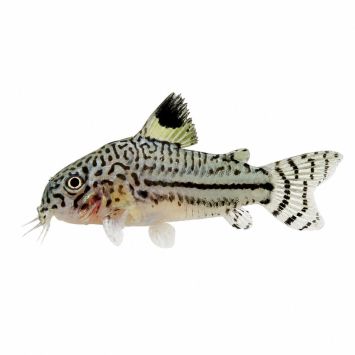
Julii Corydoras for Sale (Corydoras julii)
$9.99
In stock
SKU
Julii Corydoras
Looking for Julii Corydoras for sale? The Corydoras julii is one of the most popular freshwater bottom-dwelling catfish thanks to its peaceful temperament, unique spotted pattern, and ability to thrive in community aquariums.
These hardy Cory catfish are perfect for planted tanks, shrimp tanks, and nano fish setups. Julii Corys are active scavengers that help keep your aquarium clean while adding constant movement along the substrate.
At The Shrimp Farm, our live Julii Corydoras are carefully selected and shipped safely to ensure they arrive healthy and ready to thrive in your aquarium.
Julii Corydoras Quick Facts
- Common Name: Julii Corydoras
- Scientific Name: Corydoras julii
- Care Level: Easy (Beginner-Friendly)
- Temperament: Peaceful, social, schooling
- Max Size: ~2–2.5 inches
- Lifespan: 5–7+ years with proper care
- Tank Size: 10+ gallons (20+ recommended for groups)
- Water Temperature: 72–78°F
- pH Range: 6.0–7.5
- Diet: Omnivore (sinking pellets, wafers, frozen foods)
- Behavior: Bottom-dwelling scavenger; active and playful
- Schooling Requirement: Best kept in groups of 5–6+
- Substrate: Soft sand preferred (protects barbels)
- Tank Mates: Tetras, rasboras, peaceful nano fish, shrimp
- Breeding: Possible in home aquariums with proper conditions
Are Julii Corydoras Good for Beginners?
Yes—Julii Corydoras are an excellent choice for beginners and one of the easiest bottom-dwelling fish to keep successfully.
- Hardy and Adaptable: Julii Corydoras tolerate a range of water conditions, making them forgiving for new fishkeepers still learning tank maintenance.
- Peaceful Community Fish: They get along well with other calm species like tetras, rasboras, and shrimp—perfect for beginner-friendly community tanks.
- Easy Feeding: These bottom feeders readily accept sinking pellets, wafers, and frozen foods, so feeding them is simple and consistent.
- Active and Fun to Watch: Julii Corys are constantly exploring the tank and displaying playful schooling behavior, which makes them engaging for new hobbyists.
- Great for Learning Proper Stocking: Since they thrive in groups of 5–6 or more, they help beginners understand the importance of social fish dynamics.
Beginner Tip: For best results, keep Julii Corydoras in a well-established tank with a soft sand substrate to protect their sensitive barbels and encourage natural foraging behavior.
Julii Cory vs False Julii Cory (Corydoras trilineatus)
Many fish sold as Julii Corydoras are actually False Julii Corys (Corydoras trilineatus). While similar in appearance, true Julii Corydoras typically have smaller, more distinct spots on the head, while False Julii Corys display a more connected, maze-like pattern.
Both species are peaceful bottom-dwelling fish, but true Corydoras julii are less common and highly sought after by aquarium hobbyists.
If you are looking to buy authentic Julii Corydoras, always purchase from a trusted source that properly identifies their fish.
Best Tank Mates for Julii Corydoras
The best tank mates for Julii Corys include:
- Small schooling fish like Tetras and Rasboras and Minnows
- Bottom dwellers like other Corydoras
- Freshwater shrimp like Cherry Shrimp and Amano Shrimp
- Snails such as Nerite or Mystery snails
These species share similar water parameters and peaceful temperaments, making them perfect companions in a planted or community tank.
Tank Mates to Avoid
Avoid keeping Julii Corydoras with aggressive or overly large fish, as they can become stressed or outcompeted for food. Fish to avoid include:
- Cichlids (especially aggressive species)
- Large semi-aggressive fish
- Fin-nipping species like Tiger Barbs
- Predatory fish that may see Corys as food
Pro Tip for Success
For the healthiest and most natural behavior, always keep Julii Corydoras in groups of at least 6 fish. When combined with compatible tank mates, they become more active, social, and visible in your aquarium.
Why Buy Julii Corydoras Online from The Shrimp Farm
- Healthy, Active Fish: Our Julii Corydoras are carefully sourced and quarantined to ensure you receive vibrant, disease-free fish that are ready to thrive in your aquarium.
- Shrimp-Safe & Community Friendly: These peaceful bottom dwellers are ideal for shrimp tanks and community aquariums, making them a perfect addition to a wide variety of setups.
- Expert Care & Handling: Every order is packed by experienced aquarists who understand the specific needs of delicate nano fish and bottom feeders.
- Fast, Safe Shipping: We use insulated packaging and proven shipping methods to get your fish to you quickly and safely—no matter the season.
- Live Arrival Guarantee: Shop with confidence knowing your Julii Corydoras are backed by our live arrival guarantee.
- Perfect for Beginners & Experts: Hardy, peaceful, and easy to care for, Julii Corydoras are a great choice whether you're new to the hobby or an experienced aquarist.
- Bundle Pricing Available: Save more when you stock your tank properly—Julii Corydoras do best in groups, and we offer bundle options to match.
- Trusted by Aquarists Nationwide: The Shrimp Farm is known for quality livestock, reliable shipping, and top-tier customer service.
BACKED BY THE SHRIMP FARM'S LIVE ARRIVAL GUARANTEE!
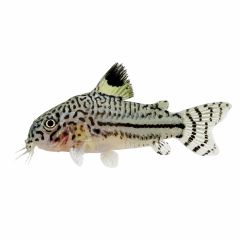


Julii Corys settle most comfortably in mature aquariums with stable water parameters and gentle filtration. Once acclimated, they spend their time exploring the tank bottom, sifting through sand in search of sinking pellets, wafers, and frozen foods. What sets them apart is their intricate spotted markings combined with a calm, social temperament. They are best added to peaceful community tanks with plenty of floor space and hiding areas, where consistent care supports healthy behavior, successful feeding, and long-term vitality.
Why Choose Julii Corys (Corydoras julii)?
-
Peaceful and social bottom-dwelling catfish ideal for community aquariums
-
Group of three encourages natural schooling and reduces stress
-
Attractive spotted pattern with a clean, compact body shape
-
Constant foragers that add activity to the lower levels of the tank
-
Excellent choice for planted and sand-bottom aquariums
-
Hardy species when kept in stable, well-maintained conditions
-
Compatible with most peaceful tropical fish
-
Great option for aquarists who enjoy natural, active behavior
Feeding & Tank Requirements
-
Best kept in a fully cycled, mature aquarium
-
Prefer soft, fine sand substrate to protect sensitive barbels
-
Thrive in peaceful community tanks with gentle water flow
-
Provide hiding spots using plants, driftwood, or caves
-
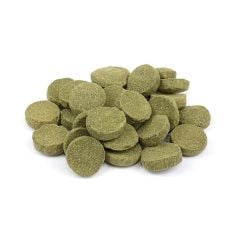
Feed sinking foods such as Cory wafers and micro pellets
-
Supplement diet with frozen or live foods like bloodworms and daphnia
-
Feed once or twice daily, ensuring food reaches the bottom
-
Maintain good water quality with regular small water changes
Please note: Fish must be shipped via Express Shipping Only due to the safety of the fish.
Julii Corydoras Care Guide (Corydoras julii)
Tank Size & Setup
Julii Corydoras are active bottom dwellers that do best in groups and need enough space to explore.
- Minimum tank size: 20 gallons
- Group size: 6+ (they are schooling fish)
- Substrate: Soft sand is strongly recommended
- Aquascape: Driftwood, plants, and hiding spots (Rocks)
Pro Tip: Avoid sharp gravel—Julii Corys use sensitive barbels to search for food, and rough substrate can damage them.
Water Parameters
Keeping stable water conditions is key to long-term health.
- Temperature: 72–79°F
- pH: 6.0–7.5
- Hardness: Soft to moderately hard
- Water flow: Low to moderate
They are hardy fish, but consistency is more important than chasing exact numbers.
Behavior & Temperament
Julii Corys are extremely peaceful and social fish.
- Non-aggressive
- Active during the day and night
- Often seen “zooming” to the surface for air
Schooling Behavior of Julii Corydoras
Julii Corydoras are social fish that should be kept in groups of at least 6. Keeping them in proper groups reduces stress, improves activity levels, and encourages natural schooling behavior.
Julii Corydoras vs Other Cory Catfish
Julii Corydoras are one of several popular Cory Catfish species kept in freshwater aquariums. While all Corydoras share peaceful behavior and similar care requirements, their appearance and ideal tank conditions can vary. Here’s how Julii Corydoras compare to other popular Cory catfish:
| Feature | Julii Corydoras (Corydoras julii) | Panda Corydoras (Corydoras panda) | Sterbai Corydoras (Corydoras sterbai) |
|---|---|---|---|
| Pattern | Small, distinct spots | White body with black eye patch | White spots on dark body with orange fins |
| Size | ~2–2.5 inches | ~2 inches | ~2.5–3 inches |
| Care Level | Easy (beginner-friendly) | Easy (beginner-friendly) | Easy (beginner-friendly) |
| Temperament | Peaceful, schooling | Peaceful, schooling | Peaceful, schooling |
| Ideal Temperature | 72–78°F | 68–75°F (slightly cooler) | 75–82°F (warmer tanks) |
| Best For | Planted community tanks | Cooler community setups | Warmer tropical aquariums |
| Popularity | Moderate | Very popular | Very popular |
Q: Are Julii Corys suitable for beginners?
A: Yes. They are hardy, peaceful, and well suited for beginner community aquariums.
Q: Is a group of three enough for Julii Corys?
A: Three is a good starting group, but larger groups of 6 or more display more natural schooling behavior.
Q: Can Julii Corys be kept with shrimp?
A: Yes. They are shrimp-safe and generally ignore adult shrimp.
Q: Do they need sand substrate?
A: Yes. Fine sand is strongly recommended to protect their delicate barbels.
Q: What do Julii Corys eat?
A: They eat sinking pellets, Cory wafers, and frozen or live foods like bloodworms and daphnia.
Q: Can Julii Corys live with aggressive fish?
A: No. They should only be kept with peaceful tank mates.
Q: How often should they be fed?
A: Feed once or twice daily, ensuring food reaches the bottom of the tank.
Q: Do Julii Corys clean leftover food?
A: They help consume leftover food but should not be relied on as cleanup-only fish.
Q: Do they need hiding spots?
A: Yes. Plants, driftwood, and caves help them feel secure.
Q: Can Julii Corys breed in home aquariums?
A: Yes. Breeding is possible under stable conditions with cooler water changes.
Q: How can I tell Julii Corys apart from False Julii Corys?
A: True Corydoras julii have distinct small spots on the head, while False Julii (Corydoras trilineatus) have more reticulated patterns.
Q: How can I ensure long-term health?
A: Maintain clean water, use sand substrate, feed a balanced diet, and keep them in social groups.
Related Products


Login and Registration Form