

 Shrimp
 Fish
Fish Crab &
 Plants
 Foods
Foods Snails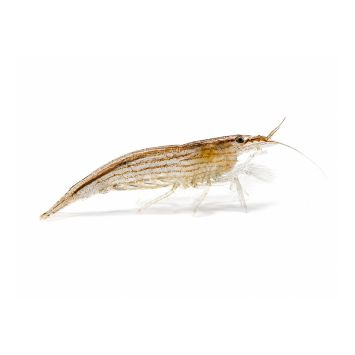
Small Bamboo Shrimp (Atyopsis Spinipes)
$19.99
Out of stock
SKU
small bamboo shrimp
Small Bamboo Shrimp (Filter-Feeding Freshwater Shrimp)
Small Bamboo Shrimp are peaceful, fascinating freshwater shrimp known for their unique fan-like arms used to filter food from the water. Instead of scavenging like most shrimp, they perch on driftwood, rocks, or plants in areas of gentle current and use their delicate fans to catch microscopic food particles as they flow by.
These shrimp make a great addition to community aquariums and are especially fun to watch as they sit in the current and “fish” for their meals. Their calm nature allows them to live alongside peaceful fish, and their natural filtering behavior adds a unique dynamic to any aquarium.
Despite their impressive appearance, Bamboo Shrimp are hardy and relatively easy to care for when provided with good water flow and a stable, well-established tank.
Key Features:
-
Unique fan-feeding behavior
-
Peaceful and community tank friendly
-
Grows larger than most dwarf shrimp
-
Thrives in tanks with moderate water flow
-
Safe with plants and non-aggressive fish
Care Tips:
Provide areas with gentle current so they can filter feed comfortably. Supplement their diet with fine powdered foods or crushed flakes if natural particles are limited.
Perfect for aquarists looking to add something truly different to their freshwater tank.
BACKED BY THE SHRIMP FARM'S LIVE ARRIVAL GUARANTEE!
Scientific Name:
Atyopsis moluccensis
Other Scientific Names:
N/A
Common Name:
Bamboo Shrimp
Other Common Names:
Wood Shrimp, Asian Filter Feeding Shrimp
Origin:
South East Asia
Found in the wild: Yes
| PH Range: 6.5 - 7.8 Temperature Range: 70 - 78 F Hardness Range: 3 - 10 dkh Life Span: 1 - 2 years Gestation Period: 30 days |
Ideal pH: 7.2 Ideal Temperature: 75 F Ideal Hardness: 7 dkh Size: 2" - 3" Diet: Filter Feeder |
Bamboo Shrimp History
The Bamboo Shrimp is native to Southern Asia where it is valued as a food source. From southern Asia it has found its way into the American aquarium hobby. When first introduced it was difficult to obtain, but not many local fish stores and big box aquarium retailers carry this shrimp.
Bamboo Shrimp Care
Bamboo Shrimp are fairly unique in the home aquarium. They are filter feeders and because of this they require a steady current in their aquarium. Bamboo Shrimp are undemanding and fairly adaptable to most home aquarium water parameters, but prefer water that is on the more neutral to slightly basic (a higher ph).
Bamboo Shrimp Diet
Bamboo Shrimp are filter feeders and because of this they require a specialized food source. A small number of Bamboo Shrimp can be maintained in a very well established aquarium of 55 gallons or more with no extra supplemental feedings. If you need to supplement the foods for Bamboo Shrimp powdered algae and foods intended for filter feeding invertebrates are suggested.
Bamboo Shrimp Breeding
Bamboo Shrimp have rarely been successfully bred in captivity. They are low order shrimp (they hatch as larva and not miniature versions of the adults), and require salt water for the larva to grow. There is very little information about breeding this shrimp and very few people have had success.
Bamboo Shrimp Behavior
A happy and healthy Bamboo Shrimp will be found in a high flow area of the aquarium filtering food out of the water. They will stay in the same position for hours. If the Bamboo Shrimp feels threatened or has just molted it will find a suitable hiding space. If a Bamboo Shrimp is observed picking at the substrate this is a sign that the shrimp is not getting enough food. This is stressful to the Bamboo Shrimp and should be avoided.
Special Notes
As with all aquatic invertebrates it is important to make sure copper does not get into the aquarium. Copper is toxic to all Dwarf Shrimp. Many medications contain elevated levels of copper, so it is recommended not to medicate an aquarium with Dwarf Shrimp in it.Most Bamboo Shrimp purchased at fish stores are starving when they are first brought home. They will be seen picking at the gravel for food. This is normal and should subside if there is an adequate source of food.
Real Owner Tips for Keeping Small Bamboo Shrimp
At The Shrimp Farm, we’ve found Small Bamboo Shrimp do best in mature aquariums with steady water flow and lots of naturally suspended food particles. Newly established tanks often look clean but may not provide enough microscopic food for long-term success.
One of the biggest mistakes new owners make is placing Bamboo Shrimp in low-flow aquariums. In our experience, these shrimp are much more active and visible when they have a perch near a filter outlet, sponge filter, or powerhead where they can comfortably filter feed throughout the day.
We’ve also noticed Bamboo Shrimp tend to feel safer in planted aquariums with driftwood, rocks, and shaded hiding areas. It is completely normal for them to hide after shipping or during molting periods before becoming more active again.
Although Small Bamboo Shrimp are peaceful and shrimp-safe, we recommend avoiding aggressive fish or overly competitive feeders that may stress them or outcompete them for food. Peaceful nano fish, rasboras, tetras, and dwarf shrimp usually make excellent tank mates.
For best long-term success, we recommend supplementing their diet with fine powdered foods, crushed flakes, baby brine shrimp, or specialty filter-feeding foods several times per week, especially in cleaner aquariums where natural suspended food is limited.
Bamboo Shrimp vs Vampire Shrimp
Both Bamboo Shrimp and Vampire Shrimp are peaceful freshwater filter-feeding shrimp that use fan-like appendages to capture microscopic food particles from the water column. While they share similar care requirements, there are several important differences in size, appearance, behavior, and aquarium setup preferences.
| Feature | Bamboo Shrimp | Vampire Shrimp |
|---|---|---|
| Scientific Name | Atyopsis spinipes | Atya gabonensis |
| Common Colors | Brown, tan, striped | Blue, purple, gray, tan |
| Adult Size | 1–3 Inches | 4–6 Inches |
| Temperament | Peaceful | Peaceful |
| Care Level | Moderate | Moderate |
| Diet | Filter Feeder | Filter Feeder |
| Water Flow Needs | Moderate to Strong | Strong |
| Activity Level | More visible during the day | Often shy and nocturnal |
| Minimum Tank Size | 20 Gallons | 30+ Gallons |
| Best Tank Setup | Planted community aquarium | Mature aquarium with caves and strong current |
| Shrimp Safe | Yes | Yes |
| Beginner Friendly | More beginner-friendly | Better for experienced keepers |
| Best Feature | Active filter-feeding behavior | Large size and unique coloration |
Frequently Asked Questions About Bamboo Shrimp
What are Bamboo Shrimp?
Bamboo Shrimp (Atyopsis moluccensis) are peaceful freshwater filter-feeding shrimp known for their fan-like appendages used to catch tiny food particles from the water current. They are popular in planted aquariums and shrimp-safe community tanks.
How big do Bamboo Shrimp get?
Adult Bamboo Shrimp typically grow to around 2–3 inches in size, making them one of the larger freshwater aquarium shrimp species commonly available in the hobby.
Are Bamboo Shrimp safe with Cherry Shrimp?
Yes, Bamboo Shrimp are completely peaceful and are generally considered safe with Cherry Shrimp for sale and other dwarf shrimp species. Because they are filter feeders, they do not hunt or attack other shrimp.
What do Bamboo Shrimp eat?
Bamboo Shrimp primarily feed on suspended microscopic foods in the water column. In aquariums, they often benefit from powdered foods, crushed flakes, baby brine shrimp, phytoplankton, and fine particle shrimp foods carried by water flow.
Do Bamboo Shrimp need strong water flow?
Yes, Bamboo Shrimp prefer moderate to strong water flow. They often perch near filter outputs, powerheads, or high-flow areas where food particles are suspended in the water for filter feeding.
Are Bamboo Shrimp hard to keep?
Bamboo Shrimp are considered moderately easy to keep once established in a mature aquarium with stable water parameters and sufficient food availability. They do best in well-oxygenated tanks with steady current and clean water.
Can Bamboo Shrimp live in small aquariums?
Small Bamboo Shrimp can temporarily live in smaller aquariums, but adult Bamboo Shrimp are best kept in tanks around 20 gallons or larger due to their size and need for stable water conditions and flow.
Why is my Bamboo Shrimp hiding?
Bamboo Shrimp commonly hide during molting, acclimation, or periods of stress. Providing driftwood, plants, rockwork, and shaded areas can help them feel secure while adjusting to the aquarium.
How long do Bamboo Shrimp live?
With proper care, Bamboo Shrimp can live approximately 1–2 years in freshwater aquariums, though lifespan may vary depending on water quality, nutrition, and overall tank stability.
Do Bamboo Shrimp molt?
Yes, Bamboo Shrimp regularly molt as they grow. During this process, they may hide for several days. A healthy molt is a normal sign of growth and proper aquarium conditions.
Can Bamboo Shrimp be kept with fish?
Bamboo Shrimp can usually be kept with peaceful community fish, nano fish, rasboras, tetras, and other non-aggressive species. Avoid large or aggressive fish that may harass shrimp.
Why are my Bamboo Shrimp using their fans constantly?
This is normal behavior. Bamboo Shrimp use their fan-like appendages to filter tiny food particles from moving water throughout the day. Frequent fan feeding is a sign of active and healthy behavior.
Related Products


Login and Registration Form