

 Shrimp
 Fish
Fish Crab &
 Plants
 Foods
Foods Snails
Yellow King Kong Shrimp
$34.99
In stock
SKU
Yellow King Kong Shrimp
The Yellow King Kong Shrimp pack features striking Caridina shrimp known for their deep yellow coloration and bold, solid pattern coverage. These shrimp are selectively bred for color quality and overall health, making them an excellent choice for both display and breeding aquariums. They thrive in stable, well-maintained shrimp tanks with soft, slightly acidic water and plenty of biofilm to graze on. Ideal for experienced shrimp keepers, Yellow King Kong Shrimp are peaceful, active, and visually captivating. This group encourages natural behavior while helping establish a stable colony, making them a standout addition to premium Caridina setups.
Backed by The Shrimp Farm's Live Arrival Guarantee!
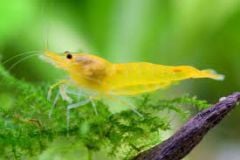
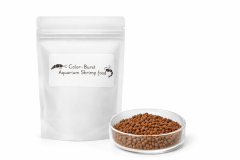
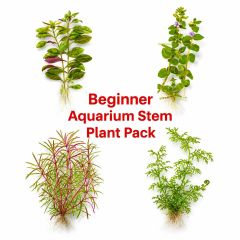
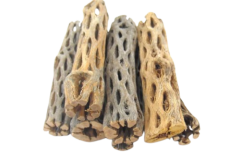
Yellow King Kong Shrimp adapt best when introduced through slow acclimation, allowing them to gradually adjust to new water parameters and minimize stress. Once settled, they spend most of their time grazing on biofilm, algae, and fine shrimp foods, contributing to a healthy micro-ecosystem. What sets them apart is their intense yellow coloration combined with the classic King Kong body pattern, a rare and highly sought-after trait among Caridina varieties. They are best added to mature shrimp-only aquariums with consistent parameters, where stable conditions support coloration, molting success, and long-term colony development. Also, they are a mutation from mixing Taiwan Bee shrimp with Tiger shrimp.
Why Choose Yellow King Kong Shrimp?
-
Rare and visually striking Caridina shrimp with bold yellow coloration
-
Group of five encourages natural social behavior and reduces stress
-
Ideal for establishing or expanding a dedicated shrimp colony
-
Stands out beautifully against dark substrates, mosses, and planted tanks
-
Known for active grazing and engaging tank presence
-
Suitable for experienced shrimp keepers seeking premium color variants
-
Potential for breeding in stable, well-maintained Caridina setups
Feeding & Tank Requirements
-
Best kept in a fully cycled, mature aquarium
-
Thrive in shrimp-only or peaceful nano tanks
-
Prefer soft, slightly acidic water with stable parameters
-
Gentle filtration and low water flow are recommended
-
Feed high-quality shrimp food formulated for Caridina species
-
Supplement diet occasionally with natural foods such as blanched vegetables or mineral-based shrimp foods
-
Avoid overfeeding to maintain excellent water quality
-
Regular small water changes are preferred over large, sudden changes
|
Specification |
Details |
|
Product Name |
Yellow King Kong Shrimp |
|
Quantity |
5 Shrimp |
|
Scientific Classification |
Caridina cantonensis |
|
Color Variant |
Yellow King Kong |
|
Care Level |
Advanced |
|
Tank Size |
Minimum 10–15 liters recommended |
|
Temperature Range |
20–24°C |
|
pH Range |
5.5–6.5 |
|
GH Range |
4–6 |
|
TDS Range |
Approx. 90–130 ppm |
|
Temperament |
Peaceful |
|
Diet |
Shrimp-specific sinking foods |
|
Breeding Difficulty |
Moderate to Advanced |
|
Compatibility |
Shrimp-only or very peaceful tank mates |
|
Lifespan |
Up to 1.5–2 years with proper care |
Q: Are Yellow King Kong Shrimp suitable for beginners?
A: No. They are best suited for experienced shrimp keepers due to their sensitivity to water parameter fluctuations.
Q: Why are they sold in a group of five?
A: Shrimp are social animals. Keeping them in groups reduces stress, encourages natural behavior, and improves overall survival.
Q: Can Yellow King Kong Shrimp be kept with fish?
A: They are best kept in shrimp-only tanks. Small, peaceful fish may prey on shrimplets and cause stress.
Q: Do these shrimp require RO water?
A: Yes. Most keepers use RO water remineralized to Caridina-specific parameters for best results.
Q: Will their color fade over time?
A: With stable parameters, proper diet, and low stress, they maintain strong yellow coloration.
Q: How often should they be fed?
A: Feed small amounts once daily or every alternate day, depending on tank size and population.
Q: Are they compatible with Neocaridina shrimp?
A: No. They require different water parameters and should not be housed together.
Q: How long does acclimation take for these shrimp?
A: Drip acclimation for 2–3 hours is strongly recommended due to their sensitivity.
Q: Can Yellow King Kong Shrimp breed in home aquariums?
A: Yes, breeding is possible in stable, well-maintained tanks with consistent parameters.
Q: What substrate is best for them?
A: Active shrimp substrates designed for Caridina species are recommended to maintain suitable pH levels.
Q: How can I improve survival after arrival?
A: Use proper drip acclimation, avoid sudden parameter changes, and provide a stress-free environment with hiding spots.
Q: Do they molt frequently?
A: Yes. Regular molting is normal and indicates healthy growth when water parameters are stable.
Login and Registration Form