

 Shrimp
 Fish
Fish Crab &
 Plants
 Foods
Foods Snails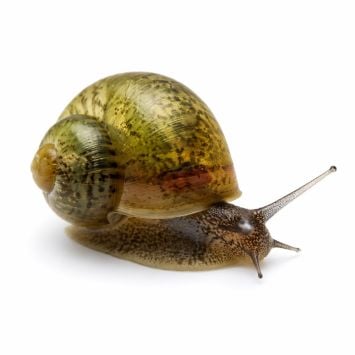
Bladder Snails for Sale – Live Food for Pea Puffers & Aquarium Cleanup Crew
$7.99
Out of stock
SKU
bladder snails
Bladder Snails are one of the most effective aquarium cleanup crew snails, helping control algae and leftover food in freshwater tanks. They are also widely used as a natural live food source for Dwarf Freshwater Pea Puffers, making them a versatile addition to any aquarium.
Bladder Snails as Live Food for Pea Puffers
Bladder snails are an excellent natural live food source for pea puffers. Their small size and soft shells make them easy for pea puffers to hunt and eat, helping promote natural feeding behavior and providing enrichment.
Feeding bladder snails can also help keep pea puffers active and healthy while offering a nutritious, natural diet option.
Bladder Snails vs Ramshorn Snails
Both bladder snails and ramshorn snails are popular freshwater aquarium cleanup snails, but they have several important differences in appearance, behavior, reproduction rate, and overall tank impact. The best choice depends on your aquarium goals and personal preference.
| Feature | Bladder Snails | Ramshorn Snails |
|---|---|---|
| Scientific Family | Physidae | Planorbidae |
| Average Size | Small (up to 1/2 inch) | Medium (up to 1 inch) |
| Shell Shape | Pointed spiral shell | Flat circular “ram horn” shell |
| Shell Direction | Left-handed spiral | Flat coiled spiral |
| Colors Available | Usually brown or translucent | Red, blue, pink, brown, leopard, gold |
| Algae Cleanup | Good | Very Good |
| Plant Safety | Generally safe | Generally safe |
| Reproduction Speed | Very fast | Moderate to fast |
| Best Tank Type | Nano tanks, shrimp tanks, planted tanks | Community tanks, planted aquariums |
| Ease of Population Control | Moderate | Easier than bladder snails |
| Waste Production | Low | Moderate |
| Beginner Friendly | Yes | Yes |
| Appearance | Simple and natural | More colorful and decorative |
Which Aquarium Snail Is Better?
Bladder snails are excellent for hobbyists looking for a hardy, low-maintenance cleanup snail that reproduces quickly and helps consume leftover waste. They are especially useful in shrimp tanks and heavily planted aquariums.
Ramshorn snails are often preferred by aquarists who want a more decorative freshwater snail with a wider variety of shell colors and patterns. They also tend to be slightly easier to manage in terms of population growth.
Both species can peacefully coexist with freshwater shrimp, small community fish, and planted aquariums when maintained properly.
Are Bladder snails Good or Bad?
Bladder snails are often misunderstood in the aquarium hobby. While some aquarists consider them pests, they are actually highly beneficial in most tanks.
Bladder snails help clean aquariums by consuming leftover food, algae, and decaying plant matter. Their presence can even indicate overfeeding, making them a natural “warning system” for tank maintenance.
When kept in controlled populations, bladder snails are one of the best natural cleanup crew options for freshwater aquariums.
How Fast Do Bladder Snails Reproduce?
Bladder snails reproduce quickly under favorable conditions, especially when excess food is available.
They are hermaphroditic, meaning a single snail can reproduce without a mate. However, population growth is directly tied to feeding levels and tank conditions.
Controlling feeding is the easiest way to manage bladder snail populations.
What Do Bladder Snails Eat?
Bladder snails are omnivorous scavengers that feed on a variety of organic material in the aquarium.
Their diet includes:
- Algae
- Leftover fish food
- Decaying plants
- Biofilm
In well-maintained aquariums, bladder snails help prevent waste buildup and contribute to a cleaner, healthier ecosystem.
How to Control Bladder Snail Population
Bladder snails are easy to manage when proper tank maintenance is followed.
To control population:
- Avoid overfeeding
- Perform regular water changes
- Remove excess waste
- Add natural predators if needed
When properly managed, bladder snails provide benefits without becoming overwhelming.
Why Buy Bladder Snails from The Shrimp Farm?
When you buy bladder snails from The Shrimp Farm, you receive healthy, active snails that are ready to improve your aquarium immediately.
We carefully select and ship our snails to ensure they arrive alive and in excellent condition. Our bladder snails are ideal for use as a natural aquarium cleanup crew and are trusted by hobbyists across the country.
With fast shipping and a live arrival guarantee, you can buy with confidence.
Backed by The Shrimp Farm's Live Arrival Guarantee!
Bladder Snails add natural activity and maintenance to freshwater aquariums with their small, translucent bodies and peaceful behavior. Unlike other snail species, they are highly resilient and adapt to a variety of freshwater conditions, thriving in planted or community tanks. These snails help reduce waste buildup by feeding on algae, detritus, and uneaten food, supporting healthier water quality. Perfect for beginners or experienced aquarists seeking a low-maintenance cleanup crew, a pack of 15 Bladder Snails introduces subtle movement, natural behavior, and ecological balance. Use them to maintain a cleaner, more dynamic, and visually appealing aquatic environment effortlessly.
Common Myths About Bladder Snails
Many aquarium hobbyists misunderstand bladder snails because they often appear unexpectedly in planted tanks. In reality, bladder snails can be very beneficial when kept in balance. Here are some of the most common myths about bladder snails and the truth behind them.
Myth: Bladder Snails Are Harmful to Aquariums
Bladder snails are generally harmless and can actually help maintain a cleaner aquarium. They consume leftover fish food, decaying plant matter, algae, and organic waste that would otherwise contribute to poor water quality.
Myth: Bladder Snails Eat Healthy Aquarium Plants
Healthy aquarium plants are usually safe with bladder snails. In most cases, they only feed on dying, melting, or decaying plant material. If plants are being damaged, it is often a sign the leaves were already unhealthy.
Myth: Bladder Snails Are Impossible to Control
Bladder snail populations are closely tied to excess food and waste in the aquarium. Overfeeding fish is the main reason populations explode. Reducing excess food and maintaining regular tank maintenance will naturally keep their numbers under control.
Myth: Bladder Snails Mean Your Tank Is Dirty
Seeing bladder snails does not necessarily mean your aquarium is unhealthy. In fact, many experienced aquarists intentionally keep bladder snails as part of a balanced cleanup crew in planted tanks and shrimp aquariums.
Myth: All Small Aquarium Snails Are Pests
Not all small snails are bad for freshwater aquariums. Bladder snails can provide beneficial cleanup behavior, help consume algae, and serve as a food source for certain fish species.
Myth: Bladder Snails Reproduce No Matter What
While bladder snails reproduce quickly under ideal conditions, their population growth is heavily influenced by available food. In properly maintained aquariums with controlled feeding, populations usually stabilize naturally over time.
Why Choose Bladder Snails?
-
Small freshwater snails with unique translucent shells, adding visual interest to aquariums
-
Hardy and adaptable, suitable for a variety of freshwater tanks
-
Natural scavengers that help clean leftover food, algae, and detritus
-
Peaceful species, compatible with fish, shrimp, and other snails
-
Easy to care for with minimal maintenance requirements
-
Helps maintain substrate cleanliness and supports a balanced aquarium ecosystem
-
Can serve as a live food source for certain fish species
-
The small size allows them to inhabit nano and medium tanks comfortably
-
Can reproduce easily in stable aquarium conditions for continuous population
-
Ideal for beginners and experienced aquarists alike
Feeding & Tank Requirements
-
Omnivorous diet: feed Algae Wafers, blanched vegetables, or leftover fish food
-
Maintain water temperature between 70–78°F (21–26°C) for optimal health
-
Preferred pH range: 6.5–7.5, with soft to moderately hard water
-
Provide hiding spots with plants, moss, or decorations
-
Minimum tank size: 5 gallons for a small group
-
Moderate filtration recommended to maintain clean water without strong currents
-
Regular water changes (20–30% weekly) to support health and reproduction
-
Avoid copper-based medications, which are harmful to snails
-
Low to moderate lighting supports plant growth and snail activity
-
Monitor water parameters carefully, as Bladder Snails are sensitive to sudden changes
Bladder Snail Care Guide
Bladder snails are one of the easiest freshwater aquarium snails to care for. They are hardy, adaptable, and thrive in a wide variety of tank conditions. Many aquarists keep bladder snails in planted tanks, shrimp aquariums, and nano setups because they help consume leftover food and organic waste.
Tank Size for Bladder Snails
Bladder snails can live in aquariums as small as 2–5 gallons, though larger tanks provide more stable water conditions. They are commonly found in:
- Nano aquariums
- Planted tanks
- Shrimp tanks
- Community aquariums
- Breeding setups
Because they stay small, they are an excellent cleanup crew option for smaller freshwater aquariums.
Water Parameters
Bladder snails are extremely adaptable, but they do best in stable freshwater conditions.
| Parameter | Recommended Range |
|---|---|
| Temperature | 68–82°F |
| pH | 7.0–8.0 |
| GH | Moderate to hard |
| KH | Moderate |
| Ammonia/Nitrite | 0 ppm |
| Nitrate | Below 20 ppm |
Harder water with adequate calcium helps maintain healthy shell growth.
What Do Bladder Snails Eat?
Bladder snails are scavengers that feed on:
- Leftover fish food
- Algae
- Biofilm
- Decaying plant matter
- Detritus
- Organic waste
Most established aquariums naturally provide enough food for them. Supplemental foods can include algae wafers, blanched vegetables, and sinking pellets if needed.
Are Bladder Snails Safe With Shrimp and Fish?
Yes, bladder snails are peaceful and shrimp-safe. They coexist well with:
- Freshwater shrimp
- Small community fish
- Corydoras
- Tetra fish
- Rasboras
- Livebearers
Avoid keeping them with aggressive snail-eating fish like puffers and certain loaches if you want the snail population to survive.
How Fast Do Bladder Snails Reproduce?
Bladder snails reproduce quickly in aquariums with excess food. Their population size is directly connected to available nutrients in the tank.
To naturally control populations:
- Avoid overfeeding
- Remove leftover food
- Perform regular water changes
- Vacuum detritus from substrate
In balanced aquariums, their numbers usually stabilize naturally over time.
Do Bladder Snails Need Special Care?
Bladder snails require very little direct care. The most important factors are:
- Stable water quality
- Adequate calcium for shell health
- Avoiding copper-based medications
- Preventing overfeeding
They are one of the most beginner-friendly freshwater snails available.
Signs of Healthy Bladder Snails
Healthy bladder snails typically:
- Move actively around the tank
- Graze on surfaces regularly
- Have smooth, intact shells
- Reproduce steadily in healthy conditions
Damaged or pitted shells may indicate low calcium or unstable water chemistry.
Real Owner Tip
Many experienced aquarists intentionally keep small bladder snail populations in shrimp tanks and planted aquariums because they help clean uneaten food before it fouls the water. When managed properly, they can become a very useful part of a healthy freshwater ecosystem.
Bladder Snail FAQ
Are bladder snails good for freshwater aquariums?
Yes, bladder snails can be very beneficial for freshwater aquariums. They help clean leftover fish food, algae, decaying plant matter, and organic waste. Many planted tank and shrimp keepers intentionally keep bladder snails as part of their aquarium cleanup crew.
Do bladder snails eat live aquarium plants?
Bladder snails usually do not damage healthy aquarium plants. They mainly feed on soft, dying, or decaying plant material. If live plants are being eaten, the leaves are often already unhealthy or melting.
How fast do bladder snails reproduce?
Bladder snails reproduce quickly when excess food is available in the aquarium. Overfeeding fish and poor tank maintenance can lead to rapid population growth. In balanced aquariums with controlled feeding, populations typically remain manageable.
Are bladder snails bad for fish tanks?
Bladder snails are not harmful to healthy fish tanks. In moderate numbers, they can actually improve tank cleanliness by helping break down waste and uneaten food. Large populations are usually a sign of excess nutrients rather than a problem caused by the snails themselves.
Can bladder snails live with shrimp?
Yes, bladder snails are generally shrimp-safe and do well in freshwater shrimp tanks. They peacefully coexist with species like Cherry Shrimp for sale and help consume leftover food that shrimp miss.
What do bladder snails eat?
Bladder snails eat algae, biofilm, fish food leftovers, decaying plants, detritus, and other organic debris in the aquarium. They are opportunistic scavengers and excellent natural cleaners for planted tanks.
How big do bladder snails get?
Most bladder snails stay relatively small, usually reaching about 1/4 to 1/2 inch in size. Their compact size makes them suitable for nano aquariums and planted tanks.
Are bladder snails hermaphrodites?
Yes, bladder snails are hermaphroditic, meaning each snail has both male and female reproductive organs. This allows them to reproduce very efficiently in aquariums.
How do I control bladder snail populations?
The best way to control bladder snail populations is to reduce excess food in the aquarium. Feed fish smaller amounts, remove decaying plant matter, and perform regular tank maintenance. As food availability decreases, snail populations naturally decline.
Will bladder snails clean algae?
Bladder snails help clean soft algae, biofilm, and organic waste from aquarium surfaces. While they are useful cleanup animals, they should not be relied on as the only algae control method in freshwater aquariums.
Can bladder snails survive without a filter?
Bladder snails are very hardy and can survive in low-tech aquariums without filters if water quality is maintained properly. However, stable filtration and regular maintenance are still recommended for the health of the entire aquarium ecosystem.
Do fish eat bladder snails?
Yes, many freshwater fish species will eat bladder snails or their eggs. Popular snail-eating fish include puffers, loaches, certain cichlids, and some gouramis.


Login and Registration Form