

 Shrimp
 Fish
Fish Crab &
 Plants
 Foods
Foods Snails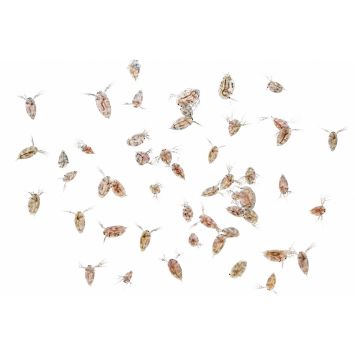
Live Daphnia Culture – Live Fish Food for Fry, Shrimp and Small Fish
$14.99
Out of stock
SKU
Live Daphnia Culture
Live Daphnia Culture is one of the best live foods you can offer fish fry, nano fish, and freshwater shrimp. This starter culture provides active, nutrient-rich live food that triggers natural feeding behavior and supports faster growth, improved coloration, and overall health.
Unlike frozen or dry foods, live daphnia stay suspended in the water column, making them perfect for fry and small fish that rely on movement to feed.
Whether you're raising fry or just want to give your fish a more natural diet, this live daphnia starter culture makes it easy to grow your own live fish food at home.
Why Choose Live Daphnia?
- ✔ Ideal live food for fish fry and juvenile fish
- ✔ Stimulates natural hunting and feeding behavior
- ✔ Easy to culture and maintain at home
- ✔ Excellent for nano fish, bettas, guppies, rasboras, and tetras
- ✔ Helps improve growth and overall fish health
Best Fish That Eat Daphnia
Daphnia are one of the best live foods for small and medium freshwater fish because they move naturally in the water and trigger a strong feeding response. They are especially useful for picky eaters, fry, nano fish, and fish that benefit from high-protein live foods.
Some of the best fish that eat daphnia include:
✅ Betta fish – Great for adding variety and encouraging natural hunting behavior.
✅ Guppies – Adults and juveniles readily eat daphnia.
✅ Tetras – Neon tetras, ember tetras, cardinal tetras, and other small tetras love them.
✅ Rasboras – Chili rasboras, harlequin rasboras, and galaxy rasboras do very well with daphnia.
✅ Medaka ricefish – Excellent surface and midwater feeders that enjoy live daphnia.
✅ Killifish – Many killifish eagerly hunt daphnia.
✅ Rainbowfish – Great for threadfin rainbowfish, forktail blue-eyes, and juvenile rainbowfish.
✅ Corydoras fry – Smaller daphnia can be useful for growing young cory cats.
✅ Apistogramma and dwarf cichlids – Excellent live food for conditioning and breeding.
✅ Pea puffers – Many pea puffers will hunt daphnia, especially as part of a varied diet.
For best results, feed daphnia in small amounts that your fish can eat within a few minutes. Uneaten daphnia can survive in freshwater for a while, but overfeeding any live food can still affect water quality.
Daphnia vs Baby Brine Shrimp
Both daphnia and baby brine shrimp are excellent live foods for aquarium fish, but they each have different strengths depending on the fish species, age, and feeding goals. Here is a quick comparison to help hobbyists decide which live food is best for their aquarium.
| Feature | Daphnia | Baby Brine Shrimp |
|---|---|---|
| Best For | Fry, nano fish, shrimp | Fry growth, conditioning breeders |
| Protein Content | Moderate | Very High |
| Fiber Content | High (great for digestion) | Lower |
| Helps Prevent Bloat | Yes | Not as much |
| Ease of Culture | Easy | Moderate |
| Cost to Maintain | Low | Moderate |
| Survival in Freshwater | Long-lasting | Short-lived |
| Water Fouling | Low | Moderate |
| Ideal Fish Types | Bettas, pea puffers, rasboras, shrimp | Fry, cichlids, breeding fish |
| Feeding Frequency | Daily possible | Best as supplemental feeding |
Why Many Aquarists Prefer Daphnia
Daphnia are often called “nature’s fish laxative” because their fiber-rich shells can help improve digestion and reduce bloating issues in freshwater aquarium fish. Unlike many prepared foods, live daphnia stay alive in freshwater for extended periods, giving fish a more natural hunting experience while keeping water cleaner.
When Baby Brine Shrimp Are Better
Baby brine shrimp are usually preferred when rapid fry growth is the main goal. Their high protein content makes them a favorite for breeders raising young fish quickly, especially species like angelfish, bettas, and cichlids.
Our Recommendation
Many experienced hobbyists use both live daphnia and baby brine shrimp together for maximum variety and balanced nutrition. Daphnia are excellent for regular daily feeding, while baby brine shrimp work especially well for conditioning breeders and growing fry quickly.
Why Buy Live Daphnia from The Shrimp Farm?
✅ Healthy, Active Live Cultures
Our live daphnia cultures are maintained for maximum activity and freshness so your fish receive nutritious live food that triggers natural hunting behavior.
✅ Excellent Food for Fry and Nano Fish
Daphnia are one of the best live foods for fish fry, bettas, rasboras, pea puffers, killifish, and other small aquarium fish.
✅ Helps Improve Digestion Naturally
Many aquarists use daphnia regularly because their high fiber content may help reduce bloating and support healthy digestion in aquarium fish.
✅ Easy to Start Your Own Culture
Our live daphnia cultures make it simple for hobbyists to begin growing their own renewable live fish food at home.
✅ Carefully Packed for Safe Arrival
We package live cultures carefully to help ensure they arrive alive and ready to add to your aquarium or culture container.
✅ Trusted by Freshwater Aquarium Hobbyists Nationwide
The Shrimp Farm has helped thousands of aquarium keepers successfully care for shrimp, nano fish, and live food cultures for years.
✅ Great for Natural Feeding Behavior
Unlike many prepared foods, live daphnia move naturally in the water column, encouraging fish to hunt and feed the way they would in nature.
✅ Fast Shipping from Experienced Aquatic Keepers
We are hobbyists ourselves and understand how important healthy live foods are for breeding projects, fry growth, and overall fish health.
Backed by The Shrimp Farm's Live Arrival Guarantee!
Why Choose Live Daphnia?
Live Daphnia are an exceptional first food and supplement because they:
-
Encourage active feeding behavior with natural swimming motion
-
Improve digestive health with live nutrition fish instinctively graze
-
Boost fry survival and growth with easily digestible food
-
Add variety to diets for ornamental fish
Whether you’re feeding small schooling fish, or feeding adult fish Daphnia deliver natural performance you can see.
Ideal For These Species
Perfect for:
-
Fish fry (tetras, rasboras, guppies, platies)
-
Nano and micro fish that refuse pellets
-
Aquarium community tanks
Benefits of Feeding Daphnia
- Natural live food source your livestock actually eats
- Improves color intensity and activity levels
- Gentle on tiny mouths and digestive systems
- Great for regular feeding or supplemental food
Live Daphnia Care & Culture Guide
Live daphnia are one of the easiest live fish foods to culture at home and can provide a nearly endless supply of nutritious food for fry, nano fish, shrimp, and breeding projects. With proper care, a healthy daphnia culture can reproduce quickly and remain productive for weeks or even months.
Choosing a Culture Container
Daphnia can be cultured in:
- Small aquariums
- Plastic tubs
- Buckets
- Glass jars
Most hobbyists use containers between 2–10 gallons. Larger water volumes are usually more stable and less likely to crash.
Water Parameters for Daphnia
Daphnia prefer:
- Temperature: 65–78°F
- pH: 6.5–8.0
- Gentle aeration
- Stable water conditions
Avoid strong filtration or heavy water movement, as daphnia are delicate swimmers.
What to Feed Daphnia
Daphnia feed on microscopic particles suspended in the water. Popular foods include:
- Green water algae
- Spirulina powder
- Yeast mixtures
- Phytoplankton
- Specialized fry food powders
Feed lightly. Overfeeding is one of the most common causes of culture crashes.
Lighting Requirements
Moderate indirect lighting helps encourage algae growth, which can naturally support the culture. Avoid excessive direct sunlight that may overheat the container.
Harvesting Live Daphnia
You can harvest daphnia using:
- Fine mesh nets
- Turkey basters
- Airline tubing siphons
Most hobbyists harvest only a portion of the colony at a time to allow the culture to continue reproducing.
Preventing Culture Crashes
To keep your daphnia culture healthy:
- Avoid overfeeding
- Perform occasional partial water changes
- Remove waste buildup
- Maintain gentle aeration
- Avoid sudden temperature swings
Starting multiple small cultures is often safer than relying on only one container.
Best Fish for Feeding Live Daphnia
Live daphnia are excellent for:
- Bettas
- Pea puffers
- Rasboras
- Tetra fish
- Guppies
- Killifish
- Shrimp tanks
- Fish fry
Their natural movement encourages strong feeding responses and enrichment behavior in aquarium fish.
How Often Should You Feed Daphnia?
Many aquarists feed live daphnia several times per week as part of a varied diet. Because daphnia are relatively low in fat and high in fiber, they are often used more frequently than richer live foods.
Real Owner Tips for Keeping a Daphnia Culture Alive
After working with live daphnia cultures, we have found that consistency is far more important than perfection. Small daily maintenance habits usually produce much better long-term results than constantly making major adjustments.
Start Multiple Cultures if Possible
One of the best things you can do is keep two smaller daphnia cultures instead of relying on a single large one. Even experienced hobbyists occasionally experience culture crashes, so having a backup culture can save a lot of frustration.
Avoid Overfeeding the Culture
Overfeeding is probably the #1 reason daphnia cultures fail. The water should never become heavily cloudy for long periods. Feed small amounts and allow the culture to clear the water before feeding again.
Gentle Aeration Works Best
Daphnia do best with mild oxygen circulation. Strong bubbling or excessive water movement can stress the colony and reduce reproduction rates.
Stable Temperatures Produce Better Results
Rapid temperature swings often weaken cultures. We have found that keeping daphnia at normal room temperature with stable conditions usually works better than chasing “perfect” parameters.
Harvest Slowly at First
New hobbyists sometimes remove too many daphnia too quickly. Allow the colony time to establish before harvesting heavily. Once the culture becomes dense, production usually increases rapidly.
Green Water Helps Significantly
Many experienced hobbyists use green water or phytoplankton to maintain healthier cultures. Daphnia often reproduce faster and remain more stable when natural food sources are available.
Use Aged Aquarium Water
Using aged aquarium water from healthy tanks can help provide beneficial microorganisms and more stable conditions compared to freshly mixed tap water.
Keep Cultures Away from Direct Sunlight
While some light helps algae growth, direct sunlight can overheat containers quickly and cause crashes. Indirect lighting is usually safer and more stable.
Expect Some Trial and Error
Even long-time aquarists occasionally lose cultures. Daphnia are relatively easy to keep once established, but small adjustments in feeding and water quality can make a huge difference over time.
Why Many Hobbyists Love Daphnia
Once established, live daphnia cultures can become one of the most rewarding live foods in the hobby. Fish often display stronger colors, improved activity levels, and more natural feeding behavior when regularly offered live foods.
Frequently Asked Questions About Live Daphnia
What Are Live Daphnia?
Live daphnia are tiny freshwater crustaceans often used as nutritious live food for aquarium fish, shrimp, and fish fry. They are commonly called “water fleas” because of their small size and jerky swimming motion.
Are Live Daphnia Good for Fish Fry?
Yes, live daphnia are one of the best foods for many types of fish fry. Their small size, natural movement, and nutritional value make them ideal for young fish that are learning to hunt and feed.
Which Fish Eat Live Daphnia?
Many freshwater aquarium fish enjoy eating daphnia, including:
- Bettas
- Pea puffers
- Tetras
- Rasboras
- Guppies
- Killifish
- Gouramis
- Cichlid fry
Shrimp may also graze on smaller daphnia and microorganisms found in live cultures.
Can I Start My Own Daphnia Culture?
Yes, many hobbyists use live starter cultures to grow their own daphnia at home. With proper feeding and stable water conditions, daphnia reproduce quickly and can provide a long-term source of live fish food.
How Do You Feed Live Daphnia to Fish?
Simply add small amounts of live daphnia directly into the aquarium. Fish will naturally hunt and consume them. Avoid overfeeding by only adding what your fish can eat within a reasonable amount of time.
How Often Should I Feed Daphnia?
Many aquarists feed daphnia several times per week as part of a varied diet. Because daphnia are relatively low in fat and high in fiber, they are often considered a safer frequent live food option than richer foods.
Are Daphnia Better Than Baby Brine Shrimp?
Both are excellent live foods, but they serve different purposes. Daphnia are high in fiber and excellent for digestion, while baby brine shrimp are higher in protein and often used for rapid fry growth and conditioning breeding fish.
Do Live Daphnia Help Prevent Bloat?
Many hobbyists believe daphnia can help reduce digestive issues because of their natural fiber content. They are sometimes referred to as a “natural laxative” for aquarium fish.
How Long Do Daphnia Live in Freshwater Aquariums?
Unlike baby brine shrimp, daphnia can survive for extended periods in freshwater aquariums if water conditions are suitable. This allows fish to graze naturally over time.
What Do Daphnia Eat?
Daphnia feed on microscopic particles such as:
- Green water algae
- Phytoplankton
- Spirulina powder
- Yeast mixtures
- Fine fry foods
Proper feeding is important for maintaining a healthy culture.
Can Daphnia Live with Shrimp?
Yes, daphnia are generally safe to use in shrimp tanks. Many shrimp keepers culture daphnia alongside Neocaridina and Caridina shrimp systems.
What Temperature Is Best for Daphnia Cultures?
Most daphnia cultures do best between 65–78°F. Stable temperatures and gentle aeration typically produce the healthiest colonies.
Why Is My Daphnia Culture Crashing?
The most common causes of daphnia culture crashes include:
- Overfeeding
- Poor water quality
- Lack of oxygen
- Sudden temperature swings
- Overharvesting
Maintaining clean, stable water conditions is key to long-term success.
Is Live Daphnia Worth It for Aquarium Fish?
Many experienced hobbyists consider live daphnia one of the best live foods available because they encourage natural feeding behavior, improve enrichment, and support healthy fish growth.


Login and Registration Form