

 Shrimp
 Fish
Fish Crab &
 Plants
 Foods
Foods Snails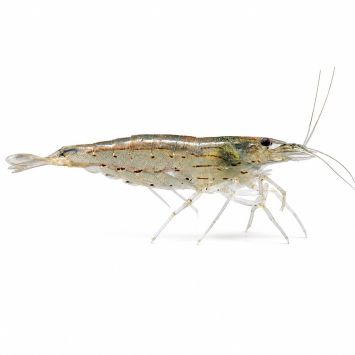
Amano Shrimp for Sale
$34.99
In stock
SKU
amano shrimp
Start your freshwater shrimp hobby with one of the most popular and effective algae-eating shrimp available. Amano Shrimp (Caridina multidentata) are prized for their incredible ability to control hair algae, biofilm, and leftover food, making them a favorite for planted aquariums and community tanks. Peaceful, hardy, and beginner friendly, Amano shrimp grow larger than most dwarf shrimp, reaching up to 2–3 inches in adulthood. The shrimp we ship are approximately 0.75–1.25 inches, giving them plenty of room to grow in your aquarium. Every order is carefully packed for safe arrival, so you can confidently add healthy, active Amano shrimp to your freshwater aquarium and enjoy one of the best natural algae cleaners in the hobby.
Last reviewed and updated: July 2026 by The Shrimp Farm team to ensure accuracy and reflect current freshwater shrimp care recommendations.
What You Will Receive
✔ Healthy Live Amano Shrimp – Receive active, carefully selected Amano shrimp approximately 0.75–1.25 inches in size.
✔ Excellent Natural Algae Eaters – These shrimp are known for consuming hair algae, biofilm, and leftover food, helping keep your aquarium cleaner.
✔ Safely Packed for Transit – Every order is professionally packed with insulated materials as needed to help ensure your shrimp arrive in excellent condition.
✔ Live Arrival Guarantee – We stand behind the health of our livestock with our Live Arrival Guarantee for qualifying shipments.
✔ Expert Support – Whether you're new to freshwater shrimp or an experienced aquarist, our team is here to help with acclimation, care, and long-term success.
✔ Ideal for Planted Aquariums – Amano shrimp are peaceful, hardy, and an excellent addition to planted tanks and most freshwater community aquariums.
| Feature | Details |
|---|---|
| Common Name | Amano Shrimp |
| Scientific Name | Caridina multidentata |
| Care Level | Easy |
| Temperament | Peaceful |
| Adult Size | 2–3 inches |
| Size Shipped | Approximately 0.75–1.25 inches |
| Lifespan | 2–3 years (often longer with excellent care) |
| Diet | Omnivore; algae, biofilm, detritus, quality shrimp foods, and blanched vegetables |
| Minimum Tank Size | 10 gallons |
| Temperature | 68–78°F |
| pH | 6.5–7.8 |
| Water Hardness | Moderate to moderately hard |
| Tank Setup | Planted aquarium with driftwood, rocks, moss, and hiding places |
| Reef Safe | No – freshwater species |
| Shrimp Safe | Yes, with other peaceful freshwater shrimp |
| Breeding Difficulty | Very difficult; larvae require brackish water to develop |
| Best Known For | Outstanding natural algae control in freshwater aquariums |
Are Amano Shrimp Good Algae Eaters?
Absolutely. Amano shrimp are widely considered one of the best freshwater algae-eating shrimp available. They actively graze on soft algae, biofilm, and leftover food throughout the day, making them a favorite among planted aquarium hobbyists looking for a natural cleanup crew.
Unlike many other shrimp species, Amano shrimp are especially effective at controlling:
- Hair algae
- Green thread algae
- Soft green algae
- Biofilm
- Uneaten fish food
- Decaying plant matter
While they can significantly reduce algae growth, they are not a replacement for proper aquarium maintenance. Regular water changes, balanced lighting, and healthy plant growth remain the best long-term strategy for algae control.
For the best results, keep Amano shrimp in groups of 3–6 or more, where they'll actively forage together and help keep your aquarium cleaner. Their constant grazing behavior makes them an excellent addition to planted tanks, community aquariums, and shrimp-friendly freshwater setups.
Are Amano Shrimp Beginner Friendly?
Yes. Amano shrimp are one of the best freshwater shrimp for beginners. They are hardy, peaceful, and adapt well to a wide range of established aquarium conditions. Their larger size also makes them less vulnerable to many community fish than smaller dwarf shrimp.
Beginners love Amano shrimp because they:
- Help naturally control algae and biofilm
- Thrive in most established freshwater aquariums
- Are peaceful with other shrimp, snails, and community fish
- Have a relatively long lifespan of 2–3 years or more with proper care
- Require no specialized equipment beyond a stable, cycled aquarium
The most important factor for success is providing stable water parameters. Like all freshwater shrimp, Amano shrimp are sensitive to sudden changes in water chemistry, so proper acclimation and regular aquarium maintenance are essential.
If you're looking for a hardy, low-maintenance shrimp that provides real benefits to your aquarium, Amano shrimp are an excellent choice for both first-time and experienced aquarists.
Why Buy Amano Shrimp Online from The Shrimp Farm?
When you order Amano shrimp from The Shrimp Farm, you're purchasing healthy, carefully selected livestock from a team that specializes in freshwater aquarium shrimp and planted aquariums. We take pride in providing quality animals, secure shipping, and expert support to help you succeed.
Why hobbyists choose The Shrimp Farm:
✅ Healthy, Active Amano Shrimp – Every shrimp is carefully inspected before shipping to ensure you receive healthy, active livestock.
✅ Ideal for Planted Aquariums – Our Amano shrimp are excellent additions to planted tanks, helping naturally control algae while peacefully coexisting with other aquarium inhabitants.
✅ Shrimp-Safe Selection – We specialize in freshwater shrimp and offer compatible foods, plants, botanicals, and aquarium supplies designed to help your shrimp thrive.
✅ Professionally Packed & Shipped – Every order is packed with care using proven shipping methods to help your shrimp arrive safely and in excellent condition.
✅ Live Arrival Guarantee – Shop with confidence knowing qualifying shipments are backed by our Live Arrival Guarantee.
✅ Expert Freshwater Shrimp Support – Whether you're buying your first Amano shrimp or maintaining a thriving planted aquarium, our experienced team is here to help with care, acclimation, compatibility, and long-term success.
✅ Bundle & Save – Complete your aquarium with shrimp food, live plants, driftwood, botanicals, and other freshwater shrimp essentials while saving on combined shipping.
At The Shrimp Farm, our goal is simple: provide healthy Amano shrimp, exceptional customer service, and the resources you need to build a beautiful, thriving freshwater aquarium.
BACKED BY THE SHRIMP FARM'S LIVE ARRIVAL GUARANTEE!
- Acclimating Shrimp
- Algae eating shrimp | 3 algae eating champions!
- Pet Shrimp: Guide for care, tank setup, feeding, and breeding pet shrimp in your aquarium Pet Shrimp Overview:
- Amano Shrimp vs Ghost Shrimp | What's The Difference?
Amano Shrimp vs. Cherry Shrimp: Which Is Better for Your Aquarium?
Both Amano shrimp and Cherry shrimp are excellent additions to freshwater aquariums, but they serve different purposes. Amano shrimp are widely regarded as the best natural algae eaters in the hobby, while Cherry shrimp are prized for their bright colors and ability to breed readily in freshwater aquariums. The right choice depends on your goals.
| Feature | Amano Shrimp | Cherry Shrimp |
|---|---|---|
| Scientific Name | Caridina multidentata | Neocaridina davidi |
| Adult Size | 2–3 inches | 1–1.5 inches |
| Primary Benefit | Exceptional algae control | Bright color and breeding colonies |
| Algae-Eating Ability | ★★★★★ Excellent | ★★★☆☆ Good |
| Color | Transparent with brown markings | Bright red and many color varieties |
| Beginner Friendly | Yes | Yes |
| Breeding | Very difficult; larvae require brackish water | Easy in freshwater |
| Temperament | Peaceful | Peaceful |
| Best Tank Size | 10+ gallons | 5+ gallons |
| Best For | Planted tanks, algae control, community aquariums | Shrimp-only tanks, colorful displays, breeding projects |
Choose Amano Shrimp If You:
- Want one of the best natural algae eaters available.
- Need help controlling hair algae, biofilm, and leftover food.
- Keep a planted aquarium or peaceful community tank.
- Prefer larger, hardy shrimp that are less likely to be bothered by small fish.
- Aren't concerned about breeding shrimp in freshwater.
Choose Cherry Shrimp If You:
- Want vibrant color to make your aquarium stand out.
- Hope to establish a breeding colony in freshwater.
- Enjoy watching shrimp reproduce and grow over time.
- Want to keep multiple color varieties in a shrimp-focused aquarium.
Which Shrimp Is Better?
If your main goal is keeping algae under control, Amano shrimp are the clear winner. Their constant grazing behavior and larger size make them one of the most effective freshwater cleanup crews available.
If you're looking for beautiful, colorful shrimp that reproduce easily, Cherry shrimp are the better choice. Their bright red coloration and ability to breed in freshwater make them a favorite among shrimp hobbyists.
Many aquarists choose to keep both Amano shrimp and Cherry shrimp together. Amano shrimp provide exceptional algae control, while Cherry shrimp add vibrant color and can establish thriving colonies, giving you the best of both worlds in a peaceful planted aquarium.
Amano Shrimp vs. Ghost Shrimp: What's the Difference?
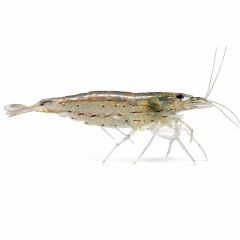
At first glance, Amano shrimp and Ghost shrimp look similar because both have transparent bodies. However, they are very different in terms of lifespan, algae-eating ability, size, and long-term value. While Ghost shrimp are often purchased as inexpensive feeder shrimp, Amano shrimp are highly prized by aquarists for their exceptional algae control and hardy nature.
| Feature | Amano Shrimp | Ghost Shrimp |
|---|---|---|
| Scientific Name | Caridina multidentata | Palaemonetes spp. |
| Adult Size | 2–3 inches | 1–2 inches |
| Primary Benefit | Outstanding algae control | General cleanup and scavenging |
| Algae-Eating Ability | ★★★★★ Excellent | ★★☆☆☆ Fair |
| Lifespan | 2–3 years (or longer with proper care) | About 6–12 months |
| Temperament | Peaceful | Usually peaceful but can become opportunistic |
| Beginner Friendly | Yes | Yes |
| Breeding in Freshwater | No; larvae require brackish water | Some species can reproduce in freshwater, others cannot |
| Best For | Planted aquariums, community tanks, natural algae control | Budget cleanup crews and feeder shrimp |
Choose Amano Shrimp If You:
- Want one of the best natural algae eaters available.
- Keep a planted aquarium with live plants.
- Prefer shrimp with a longer lifespan.
- Want a peaceful, reliable cleanup crew.
- Are looking for a premium freshwater shrimp that provides long-term value.
Choose Ghost Shrimp If You:
- Need an inexpensive scavenger for a freshwater aquarium.
- Want a low-cost cleanup crew.
- Are keeping larger fish that may occasionally prey on shrimp.
- Don't mind replacing shrimp more frequently due to their shorter lifespan.
Which Shrimp Is Better?
For most freshwater aquariums, Amano shrimp are the better overall choice. They are larger, live significantly longer, and are among the most effective algae-eating shrimp in the aquarium hobby. Their constant grazing helps reduce algae growth while keeping planted aquariums looking their best.
Ghost shrimp are a good budget-friendly option for scavenging leftover food and detritus, but they generally do not provide the same level of algae control or longevity as Amano shrimp.
If your goal is a healthy, attractive planted aquarium with a dependable natural cleanup crew, Amano shrimp are well worth the investment.
Amano Shrimp Care Guide
Amano Shrimp (Caridina multidentata), also known as Japanese Swamp Shrimp, Yamato Shrimp, or Algae Shrimp, are among the easiest and most rewarding freshwater shrimp to keep. Famous for their incredible algae-eating abilities, they thrive in established planted aquariums and peaceful community tanks. With stable water parameters and a balanced diet, Amano shrimp can live 2–3 years or longer, making them an excellent long-term addition to your aquarium.
Ideal Water Parameters for Amano Shrimp
Amano shrimp are hardy and adaptable, but they perform best in stable, well-maintained aquariums. Sudden swings in temperature, pH, or hardness are more stressful than keeping them within a specific number.
| Parameter | Recommended Range |
|---|---|
| Temperature | 70–80°F |
| pH | 6.5–8.0 |
| GH | 5–15 dGH |
| KH | 1–10 dKH |
| TDS | 80–450 ppm |
Water Parameters at The Shrimp Farm
To make acclimation easier, our Amano shrimp are maintained under the following conditions before shipping:
| Parameter | Our Water |
|---|---|
| Temperature | 69–73°F |
| pH | 7.0–7.4 |
| GH | 7–8 dGH |
| KH | 3–4 dKH |
| TDS | 175–200 ppm |
Aquarium Setup
Amano shrimp thrive in cycled freshwater aquariums with plenty of natural surfaces to graze. Live plants, driftwood, rocks, mosses, and leaf litter encourage the growth of biofilm, which is one of their favorite food sources.
For the best results, provide:
- A mature, fully cycled aquarium
- Live plants and aquarium moss
- Driftwood and rocks for grazing
- Gentle filtration with good oxygenation
- Plenty of hiding places during molts
- Stable water parameters
A 10-gallon or larger aquarium is recommended, especially if keeping a group.
Feeding Amano Shrimp
Although Amano shrimp are famous for eating algae, they still require a balanced diet to stay healthy. In clean aquariums, algae alone is not enough to meet their nutritional needs.
Offer a varied diet including:
- High-quality shrimp pellets
- Algae wafers
- Biofilm
- Blanched spinach, zucchini, or cucumber
- Occasional protein-rich foods in moderation
Tank Mates
Amano shrimp are peaceful and make excellent additions to community aquariums.
They are compatible with:
- Cherry Shrimp and other peaceful freshwater shrimp
- Nerite Snails and Mystery Snails
- Corydoras Catfish
- Otocinclus
- Rasboras
- Small Tetras
- Peaceful livebearers
Avoid housing them with large or aggressive fish that may view shrimp as food.
Breeding Amano Shrimp
Adult Amano shrimp reproduce in freshwater, and females frequently carry hundreds of eggs after mating. However, unlike Cherry Shrimp, the newly hatched larvae cannot survive in freshwater. They must be raised in brackish water before eventually returning to freshwater as juvenile shrimp.
Because of this unique life cycle, Amano shrimp are considered difficult to breed and are not recommended for beginners interested in breeding shrimp.
Why Amano Shrimp Are So Popular
Amano shrimp have earned a reputation as one of the best algae-eating freshwater shrimp in the aquarium hobby. Their larger size, peaceful temperament, and constant grazing make them an excellent natural cleanup crew for planted aquariums.
Whether you're looking to reduce algae, improve your aquarium's ecosystem, or add hardy invertebrates to a community tank, Amano shrimp are one of the best freshwater shrimp you can keep. With proper care and stable water conditions, they will reward you with years of active behavior and outstanding algae control.
Real Owner Experience with Amano Shrimp
At The Shrimp Farm, Amano shrimp have been one of our favorite cleanup crew species for years. We've kept them in planted aquariums ranging from nano tanks to large display aquascapes, and they consistently prove why they're considered one of the best algae-eating shrimp in the hobby.
One of the biggest advantages we've noticed is how active they are throughout the day. Unlike some shrimp that spend most of their time hiding, Amano shrimp are constantly grazing on rocks, driftwood, plants, and glass in search of algae and biofilm. It's common to see them cleaning areas that other shrimp completely ignore.
We've also found that Amano shrimp are much hardier than many people expect. Once properly acclimated to a mature, stable aquarium, they adapt well to a variety of freshwater conditions and are excellent additions to peaceful community tanks.
One thing new hobbyists should understand is that Amano shrimp are not miracle workers. They do an incredible job helping control algae, but they perform best alongside good aquarium maintenance, balanced lighting, healthy plant growth, and regular water changes. When those conditions are in place, they're among the most effective natural cleanup crews you can add to a planted aquarium.
If we were setting up a new planted tank today, Amano shrimp would be one of the first livestock we'd add after the aquarium has fully cycled. Their algae-eating ability, peaceful temperament, and long lifespan make them one of the easiest recommendations we can make for both beginner and experienced aquarium hobbyists.
How Big Do Amano Shrimp Get?
Adult Amano shrimp (Caridina multidentata) typically grow 2–3 inches, making them one of the largest freshwater dwarf shrimp commonly kept in aquariums. Females are usually larger than males, with many females reaching close to 2.5–3 inches, while males generally remain slightly smaller. Their larger size makes Amano shrimp excellent algae eaters and helps them coexist with many peaceful community fish that might prey on smaller shrimp species.
How Many Amano Shrimp Should I Keep Together?
Amano shrimp are social and generally do best when kept in groups of at least 3–6 individuals. For stocking, a good rule of thumb is one Amano shrimp for every 2–5 gallons, depending on your aquarium size, filtration, and maintenance routine.
A larger aquarium with stable water parameters and plenty of hiding places can comfortably support more shrimp. Because Amano shrimp produce very little waste compared to fish, they're an excellent addition to planted aquariums when combined with regular water changes and proper filtration.
How Long Do Amano Shrimp Live?
With proper care, Amano shrimp typically live 2–3 years, and some may live even longer in stable, well-maintained aquariums. Their lifespan depends on water quality, diet, and minimizing stress from sudden changes in water parameters.
Providing a varied diet, maintaining stable temperature and pH, and performing regular aquarium maintenance will help maximize their lifespan.
How Fast Do Amano Shrimp Grow?
Amano shrimp grow relatively quickly compared to many freshwater shrimp. Under ideal conditions with high-quality food and stable water parameters, juveniles usually reach adult size within 4–6 months.
Growth rates can vary depending on temperature, diet, water quality, and the frequency of successful molts. Feeding a balanced shrimp diet and maintaining proper mineral levels helps support healthy growth and molting.
Can Amano Shrimp Breed in Freshwater?
Adult Amano shrimp will readily mate in freshwater aquariums, and females often carry hundreds of eggs beneath their abdomen. However, the larvae cannot survive in freshwater alone.
Unlike Cherry shrimp, Amano shrimp require brackish water after hatching for their larvae to develop successfully. Once they complete their larval stage, the juvenile shrimp can gradually be acclimated back to freshwater.
Because recreating this life cycle requires specialized equipment and careful management of salinity and larval feeding, Amano shrimp are considered difficult to breed in captivity. If you're looking for shrimp that reproduce easily in freshwater, Cherry shrimp are a much better choice.
Can Amano Shrimp Live with Cherry Shrimp?
Yes. Amano shrimp and Cherry shrimp are excellent tank mates and can live together peacefully in the same freshwater aquarium. Amano shrimp are larger and more active, while Cherry shrimp are smaller and often breed readily in freshwater. Because Amano shrimp cannot interbreed with Cherry shrimp, keeping both species together is a great way to enjoy colorful shrimp alongside one of the best natural algae eaters.
Are Amano Shrimp Safe with Betta Fish?
Yes, Amano shrimp can live with peaceful Betta fish, but compatibility depends on the Betta's temperament. Some Bettas ignore shrimp completely, while others may chase or attack them.
Because Amano shrimp grow 2–3 inches, they are larger and faster than Cherry shrimp, giving them a better chance of coexisting with a Betta. For the best results, keep them in a heavily planted aquarium with plenty of hiding places and monitor their behavior during the first few days.
While many hobbyists successfully keep Amano shrimp and Bettas together, no shrimp is completely safe with an aggressive Betta.
What Do Amano Shrimp Eat?
Amano shrimp are omnivores and will happily eat algae, biofilm, detritus, leftover fish food, algae wafers, shrimp pellets, blanched vegetables, and other high-quality shrimp foods. While they are famous for controlling algae, they should still receive supplemental feeding to maintain their health and support successful molting.
Do Amano Shrimp Eat Hair Algae?
Yes. Amano shrimp are widely regarded as one of the best freshwater shrimp for controlling hair algae. They actively graze on soft hair algae, green thread algae, biofilm, and other organic matter throughout the day. Although they can significantly reduce algae growth, they work best alongside proper aquarium maintenance, balanced lighting, and healthy plant growth.
Do Amano Shrimp Need a Heater?
Amano shrimp thrive in water temperatures between 70–80°F. If your aquarium stays within this range year-round, a heater may not be necessary. However, most indoor aquariums benefit from a quality aquarium heater to maintain stable temperatures, as sudden fluctuations can stress shrimp and affect their health.
Will different shrimp species breed with each other?
Yes, most Neocaridina species will breed with other Neocaridina species, and many Caridina species will breed with other Caridina species. Neocaridina species will not breed with Caridina species. It is not recommended to keep any species that may interbreed with each other. Check out our dwarf shrimp compatibility chart to see what shrimp will not interbreed with Amano Shrimp.
How often do Amano Shrimp molt?
Depends on their age! Amano shrimp grow very quickly. This also means they molt a lot (at least every few days at first) until they reach their adult size, after which they slow down to about once a month.
What is the diet of Amano Shrimp?
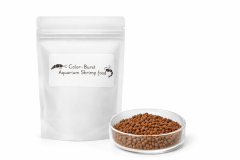
Amano Shrimp are omnivores and share the same diet that most Dwarf Shrimp enjoy. They will eat just about anything in an aquarium, that is edible. Amano Shrimp will eat the algae that naturally occurs in aquariums. Sinking pellets and blanched (boiled until soft) vegetables make good foods for dwarf shrimp, as well. But Amano will oftentimes need supplemental feedings. Aquarium foods intended for bottom feeders and aquatic invertebrates are readily accepted, as are blanched vegetables (boiled until soft). You can find wide veracity of good shrimp foods in our shop. The Amano Shrimp you order are currently eating Ebita Breed - Quatro 2.
What type of filter should I use?
A sponge filter is the best filter for a shrimp-only aquarium. Another good option is a corner box filter. Most power filters will suck smaller shrimp into the filter and kill them, so they are not recommended. In our shop, you can find a nice selection of filters that are safe for shrimps.
What are the best plants for Amano Shrimp?
Any aquarium plants are great if you'd like to keep Amano shrimp! They love to hide in and forage on the leaves. A few personal favorites are java moss, floating plants, and hair grass (Eleocharis acicularis). All the plants we sell are great for Amano Shrimp. You can find out more about Freshwater aquarium plants here.
What are the best tank mates for Amano Shrimp?
Amano shrimp, like other dwarf shrimp, are very peaceful and vulnerable creatures. They will never harm any tankmates but will easily fall prey to hungry fish. It might be a good idea to set up a single-species aquarium. Still, peaceful inverts like other shrimp and small snails are always a possibility. You can check out the dwarf shrimp compatibility chart to see what shrimp will be a great match for the Amano Shrimp.
Aquarists who don't mind losing some of their stock can combine them with a number of peaceful species, including the popular Corydoras and Otocinclus catfish, small schooling fish, and more. Learn more about The Best Types Of Fish For Your Shrimp Aquarium here. The shrimp should usually breed quickly enough to sustain the population despite regular casualties, provided there are enough hiding places. Not enough hiding places for your shrimp? We have some great hiding decorations in our shop.
What is the best way to Acclimate my new Amano Shrimp?
When adding new shrimp into your established already existing tank, it is important to take the proper steps in introducing and acclimating them into their new home. The whole process is extremely stressful for the shrimp. Acclimation is important for shrimp as it allows them time to adjust to the temperature and parameters of their new environment. By doing this correctly, you will reduce the chances of shock or death of your new shrimps. You can find the step-by-step process of acclimating shrimp here.
Is your question not listed above?
If you don't see the answer to your question, give us a quick email, and we will get back to you asap.
We found other products you might like!
Related Products


Login and Registration Form