

 Shrimp
 Fish
Fish Crab &
 Plants
 Foods
Foods Snails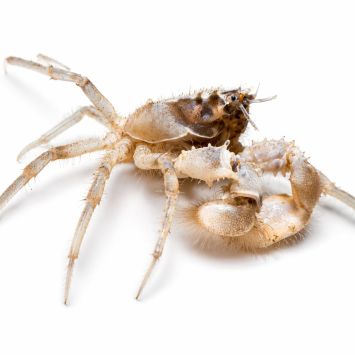
Thai Micro Spider Crab for Sale – Nano Freshwater Aquarium Crab
$8.99
In stock
SKU
thai-micro-spider-crabs
Buy Thai Micro Spider Crabs online from The Shrimp Farm—one of the most unique and sought-after nano invertebrates in the aquarium hobby. These rare, shrimp-safe crabs are perfect for planted tanks, where they pair well with cherry shrimp for sale and other peaceful nano species. They spend their time filtering food from the water and adding constant movement without disturbing your aquascape. Each crab is carefully sourced, health-checked, and shipped with our live arrival guarantee, so you can order with confidence and receive thriving, high-quality livestock.
Learn all about Thai micro spider crab care at SF University.
Thai Micro Spider Crab Quick Facts
- Scientific Name: Limnopilos naiyanetri
- Common Name: Thai Micro Spider Crab
- Size: ~0.2–0.4 inches (very small nano crab)
- Lifespan: ~1–2 years
- Temperament: Peaceful, non-aggressive
- Care Level: Easy to moderate
- Tank Size: 5+ gallons (nano aquariums)
- Water Temperature: 72–82°F
- pH Range: 6.5–7.5
- Diet: Filter feeder (powdered foods, biofilm, microorganisms)
- Tank Setup: Planted tank with gentle flow
- Compatibility: Shrimp-safe, best with other small peaceful species
- Behavior: Hangs on plants and filters food from water column
- Breeding: Rarely bred in captivity
IDEAL TANK SETUP
These crabs do best in heavily planted aquariums with natural cover.
Best setup includes:
- Mosses like Java Moss or Christmas Moss
- Driftwood for biofilm growth
- Leaf litter (Indian Almond Leaves)
- Low to moderate flow
They spend much of their time perched in plants or filtering tiny particles from the water.
TANK MATES for Thai Micro Spider Crabs
These crabs are extremely peaceful and should only be kept with other gentle species.
Great tank mates:
- Cherry Shrimp
- Crystal Red Shrimp
- Pygmy corydoras
- Rasboras or Minnows
Avoid:
- Aggressive fish
- Larger fish that may eat them
- Fast, competitive feeders
Thai Micro Spider Crab vs Freshwater Shrimp: Which Is Better for Your Tank?
Both Thai Micro Spider Crabs (Limnopilos naiyanetri) and freshwater shrimp are excellent choices for nano aquariums, but they serve very different roles. Choosing the right one depends on your tank setup and what you want to see in your aquarium.
Key Differences at a Glance
- Feeding Style:
- Thai Micro Spider Crab → Filter feeder (needs suspended food)
- Shrimp → Scavengers (eat algae, biofilm, leftover food)
- Activity Level:
- Crab → Mostly stationary, perched and filtering
- Shrimp → Constantly moving and grazing
- Tank Role:
- Crab → Unique display species
- Shrimp → Clean-up crew + active population
- Care Difficulty:
- Crab → Moderate (requires targeted feeding)
- Shrimp → Easy (more adaptable)
✅ Choose Thai Micro Spider Crabs If You Want:
- A rare and unique nano species
- Interesting filter-feeding behavior
- A calm, planted tank with gentle flow
- A low-stock, low-competition setup
✅ Choose Freshwater Shrimp If You Want:
- A low-maintenance, beginner-friendly species
- Natural algae and biofilm control
- Active movement throughout the tank
- Easy breeding and colony growth
Pro Tip (Best Option for Most Tanks)
You can keep Thai Micro Crabs with Shrimp in the same aquarium.
They occupy completely different niches:
- Crabs feed from the water column
- Shrimp feed from surfaces and substrate
✔ No competition
✔ Completely shrimp-safe
✔ Creates a more dynamic, balanced ecosystem
Bottom Line
If you’re looking for something unique and eye-catching, go with Thai Micro Spider Crabs.
If you want something active, easy, and functional, freshwater shrimp are the better choice.
For most hobbyists, the best setup is keeping both together in a planted nano tank for maximum diversity and activity.
Why Buy Thai Micro Spider Crabs Online from The Shrimp Farm
- ✅ Healthy, Hand-Selected Livestock – Every Thai Micro Spider Crab is carefully sourced, inspected, and acclimated before shipping to ensure you receive strong, active specimens.
- ✅ Shrimp-Safe & Nano Friendly – Perfect for planted aquariums and peaceful community tanks with shrimp and small fish.
- ✅ Expert Care & Support – Backed by years of experience shipping delicate nano species nationwide—we know how to keep them thriving.
- ✅ Fast, Safe Shipping – Professionally packed with insulation and temperature control to ensure safe delivery.
- ✅ Live Arrival Guarantee – Order with confidence knowing your crabs are covered upon arrival.
- ✅ Bundle Pricing Available – Save more when you stock your tank with multiple crabs.
- ✅ Trusted U.S. Seller – The Shrimp Farm is a reliable source for high-quality freshwater shrimp, fish, and invertebrates across the country.
BACKED BY THE SHRIMP FARM'S LIVE ARRIVAL GUARANTEE!



The Thai micro spider crab is from one specific river in Thailand. They are a very small crab that may reach 0.6" across in total. They should be kept in groups of 3 or more. They love heavily planted tanks and will hide in driftwood and plants. Most are a grey color with some brown spots, although there is some variance in color. They are omnivorous and will love some meaty treats. They will need sinking foods and would relish a constant supply of natural algae to graze from.
Micro Spider Crabs
The Thai micro spider crab is from one specific river in Thailand. They are a very small crab that may reach 0.6" across in total. They should be kept in groups of 3 or more. They love heavily planted tanks and will hide in driftwood and plants. Most are a grey color with some brown spots, although there is some variance in color. They are omnivorous and will love some meaty treats. They will need sinking foods and would relish a constant supply of natural algae to graze from.
Micro Spider Crabs Behavior
Like dwarf shrimp, Thai micro spider crabs can be quite shy. They need plenty of hiding places to feel safe. Adding decorations and plants (floating plants with long roots will be especially appreciated) is a good idea.
Micro Spider Crabs Care
Thai micro spider crab care and requirements are relatively similar to those of dwarf shrimp. A large aquarium is not needed for these crabs. A small colony can be sustained in an aquarium of at least 5 gallons (19L), as long as it's fully cycled and heated. This being said, because they don't respond well to low water quality, keeping them in a slightly larger tank might be easier. A larger volume of water will be easier to keep stable. Find out more about Micro Spider Crabs in The Shrimp Farm Academy.
Buying Micro Spider Crabs
A relatively recent addition to the aquarium hobby, Thai micro crabs are quickly gaining popularity. They are appreciated among shrimp keepers for their very peaceful nature and similar requirements, which make them a great option if you're looking for tankmates for your (dwarf) shrimp.
Real Owner Tips for Thai Micro Spider Crabs
These are practical, experience-based tips that go beyond basic care and help you keep Thai Micro Spider Crabs (Limnopilos naiyanetri) thriving long-term.
Make Sure They’re Actually Eating
The #1 issue with Thai Micro Spider Crabs is underfeeding. If you don’t see them actively “fanning” their appendages, they may not be getting enough suspended food.
Pro tip: Feed fine powdered foods and consider briefly turning off your filter so food stays in the water column longer.
Flow Matters More Than You Think
Too little flow = food doesn’t reach them
Too much flow = they struggle to stay perched
Aim for gentle, consistent flow so they can sit comfortably and filter feed.
Give Them Elevated Perches
These crabs prefer to sit where food passes by.
Add:
- Moss
- Stem plants
- Driftwood branches
This allows them to position themselves in the best feeding zones.
Don’t Expect Constant Movement
Unlike shrimp, Thai Micro Spider Crabs don’t roam much.
Staying in one spot is normal behavior, especially when feeding.
If they’re fanning → they’re healthy.
Watch Out for Food Competition
Fast fish can eat suspended food before the crabs get it.
Best setup:
- Low-competition nano tank
- Or target feeding during low activity times
“Too Clean” Tanks Can Be a Problem
Ultra-clean tanks with heavy filtration may lack enough micro-particles in the water.
Supplement regularly with:
- Powder foods
- Microfauna boosters
They Thrive With Shrimp (Not Compete With Them)
Shrimp and Thai Micro Spider Crabs occupy different niches:
- Crabs → water column
- Shrimp → surfaces
Keeping both together creates a balanced, natural ecosystem
Final Tip
If your Thai Micro Spider Crabs are perched, fanning, and staying in one spot—they’re doing exactly what they should be doing.
Thai Micro Spider Crab Care Guide (Limnopilos naiyanetri)
Thai Micro Spider Crabs (Limnopilos naiyanetri) are one of the most unique nano invertebrates in the aquarium hobby. Known for their tiny size and fascinating filter-feeding behavior, these peaceful freshwater crabs are perfect for planted tanks and shrimp-safe community aquariums. With the right setup, they are easy to care for and provide constant, subtle movement in your aquascape.
Ideal Tank Setup for Thai Micro Spider Crabs
Creating the right environment is key to keeping Thai Micro Spider Crabs healthy and active.
- Tank Size: 5+ gallons (larger tanks improve stability)
- Substrate: Sand or fine gravel
- Plants: Heavily planted tanks with moss, stem plants, and floating plants
- Decor: Driftwood, rocks, and surfaces to perch on
- Water Flow: Gentle to moderate (important for filter feeding)
- Filtration: Sponge filter or low-flow filtration preferred
These crabs spend most of their time perched on plants or decor, extending their tiny “fans” to catch food particles in the water.
Water Parameters
Stable water conditions are essential for long-term success.
- Temperature: 72–82°F
- pH: 6.5–7.5
- Ammonia/Nitrite: 0 ppm
- Nitrate: <20 ppm
- Water Hardness: Soft to moderately hard
Consistency matters more than chasing perfect numbers—avoid sudden parameter swings.
Behavior & Activity
These crabs have very unique behavior compared to other freshwater crabs.
- Spend most time perched on plants or wood
- Use fan-like appendages to filter food
- Rarely move across the substrate
- Non-aggressive and shy
They are more about subtle, constant movement than active roaming.
Are Thai Micro Spider Crabs Good for Beginners?
Yes—with one important condition: you must feed them properly.
✔ Easy if:
- Tank is stable
- Food is available in the water column
❗ Challenging if:
- Tank is too “clean” (no suspended food)
- Competing fish eat all food first
They are ideal for intermediate beginners or planted tank hobbyists.
Molting & Lifespan
Like other crustaceans, Thai Micro Spider Crabs molt as they grow.
- Lifespan: ~1–2 years
- Molting: Normal and necessary
- Leave molts in tank (they may consume them)
Sudden deaths are often related to poor feeding or unstable water conditions, not molting itself.
Breeding Thai Micro Spider Crabs
Breeding in home aquariums is extremely rare.
- Larval stage likely requires brackish conditions
- Not commonly reproduced in captivity
- Most available specimens are wild-caught
Focus on care and longevity rather than breeding.
Common Mistakes to Avoid
- ❌ Not feeding enough (biggest issue)
- ❌ Too much flow or too little flow
- ❌ Keeping with aggressive or fast fish
- ❌ Ultra-clean tanks with no micro food
- ❌ Sudden water parameter changes
Final Care Tips
- Keep them in a planted, low-competition tank
- Feed fine, suspended foods regularly
- Maintain stable water parameters
- Observe for active filter-feeding behavior
When cared for properly, Thai Micro Spider Crabs are one of the most fascinating and rewarding nano species you can keep.
❓ People Also Ask About Thai Micro Spider Crabs
Are Thai Micro Spider Crabs fully aquatic?
Yes, Thai Micro Spider Crabs (Limnopilos naiyanetri) are fully aquatic and do not require access to land. They spend their entire lives underwater, making them ideal for freshwater aquariums.
Do Thai Micro Spider Crabs need flowing water?
Yes, gentle water flow is important for Thai Micro Spider Crabs because it helps keep food particles suspended in the water. This allows them to use their fan-like appendages to filter feed effectively.
Can Thai Micro Spider Crabs live alone?
Yes, they can live alone or in small groups. However, keeping multiple Thai Micro Spider Crabs in a well-established tank can create more natural behavior and a more interesting display.
Do Thai Micro Spider Crabs clean algae like shrimp?
No, unlike shrimp, Thai Micro Spider Crabs do not actively graze on algae. They are filter feeders and rely on suspended food particles rather than cleaning surfaces.
Why are my Thai Micro Spider Crabs always staying in one spot?
This is normal behavior. Thai Micro Spider Crabs often stay perched in one location while filtering food from the water. As long as they are actively “fanning,” they are healthy and feeding properly.
Are Thai Micro Spider Crabs good for nano aquariums?
Yes, they are one of the best crabs for nano aquariums due to their tiny size, peaceful nature, and compatibility with shrimp and small fish.
❓ Thai Micro Spider Crab FAQ
Are Thai Micro Spider Crabs shrimp safe?
Yes, Thai Micro Spider Crabs (Limnopilos naiyanetri) are completely shrimp-safe. They are peaceful filter feeders that do not hunt or attack shrimp, making them ideal for shrimp tanks and planted nano aquariums.
What do Thai Micro Spider Crabs eat?
Thai Micro Spider Crabs are filter feeders that eat tiny particles suspended in the water column. Their diet should include powdered fish food, baby brine shrimp, and micro foods like biofilm supplements.
How big do Thai Micro Spider Crabs get?
Thai Micro Spider Crabs stay extremely small, typically reaching only about 0.2 to 0.4 inches in size, making them perfect for nano aquariums.
Are Thai Micro Spider Crabs hard to care for?
They are considered easy to moderate in care level. The most important factor is ensuring they receive enough suspended food, as they do not scavenge like shrimp.
Can Thai Micro Spider Crabs live with fish?
Yes, they can live with small, peaceful fish such as rasboras and nano tetras. Avoid large or aggressive fish that may outcompete them for food or pose a threat.
Do Thai Micro Spider Crabs need a filter?
Yes, a gentle filtration system is recommended. Light water flow helps keep food suspended in the water, which is essential for their filter-feeding behavior.
How many Thai Micro Spider Crabs should be kept together?
They can be kept individually or in small groups. In nano tanks, 2–5 crabs work well depending on tank size and available food.
Do Thai Micro Spider Crabs reproduce in freshwater aquariums?
Breeding is extremely rare in freshwater tanks. Their larvae likely require brackish water conditions to develop, so most available specimens are wild-caught.
How long do Thai Micro Spider Crabs live?
Their typical lifespan is around 1–2 years with proper care, stable water conditions, and consistent feeding.
Why is my Thai Micro Spider Crab not moving?
This species often stays still while feeding. If it is perched and “fanning” its appendages, it is healthy. Lack of movement combined with no feeding behavior may indicate stress or lack of food.
Related Products


Login and Registration Form