

 Shrimp
 Fish
Fish Crab &
 Plants
 Foods
Foods Snails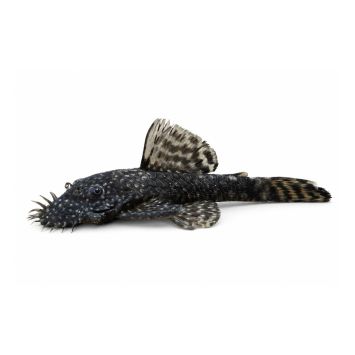
Bushymouth Catfish (Ancistrus Dolichopterus) – Bristlenose Pleco Algae Eater for Freshwater Aquariums
$19.99
Out of stock
SKU
Bushymouth Catfish
The Bushymouth Catfish, also known as the Bristlenose Pleco (Ancistrus dolichopterus), is one of the most popular algae-eating fish available for freshwater aquariums. Unlike Common Plecos that can grow well over a foot long, Bristlenose Plecos typically reach just 4–6 inches, making them an excellent choice for community tanks, planted aquariums, and many shrimp-friendly setups.
Known for their peaceful temperament, unique appearance, and ability to graze algae from glass, driftwood, rocks, and decorations, Bushymouth Catfish are a favorite among both beginner and experienced aquarists. They are hardy, easy to care for, and can help keep your aquarium looking cleaner while adding personality to the bottom of the tank.
At The Shrimp Farm, we've kept and shipped thousands of freshwater fish and invertebrates, and Bristlenose Plecos remain one of our favorite algae eaters due to their manageable size, excellent temperament, and usefulness in planted aquariums. Whether you're looking for a natural algae control solution or a unique bottom-dwelling fish, the Bushymouth Catfish is an outstanding addition to a freshwater aquarium.
Bushymouth Catfish Quick Facts
- Common Name: Bristlenose Pleco, Bushymouth Catfish
- Scientific Name: Ancistrus dolichopterus
- Adult Size: 4–6 inches
- Temperament: Peaceful
- Care Level: Easy
- Diet: Omnivore (algae, biofilm, vegetables, sinking foods)
- Minimum Tank Size: 20 gallons
- Temperature Range: 72–82°F
- pH Range: 6.5–7.8
- Water Hardness: Soft to moderately hard
- Lifespan: 5–10 years
- Shrimp Safe: Usually yes with adult shrimp; may eat shrimplets occasionally
- Plant Safe: Yes
- Breeding Difficulty: Easy to Moderate
- Best Kept In: Planted aquariums, community tanks, shrimp tanks, and freshwater nano fish setups
- Origin: South America
At The Shrimp Farm, Bristlenose Plecos are one of our favorite algae-eating fish because they stay much smaller than Common Plecos, help keep aquariums clean, and are hardy enough for both beginner and experienced fishkeepers.
Is a Bushymouth Catfish the Same as a Bristlenose Pleco?
Yes, Bushymouth Catfish and Bristlenose Pleco are two common names for the same group of fish in the Ancistrus genus. In the aquarium hobby, "Bristlenose Pleco" is the more widely used name, while "Bushymouth Catfish" is often used interchangeably by fish stores and breeders.
These fish are known for the distinctive bristle-like growths that develop on the faces of mature males, which is where the name "Bristlenose" comes from. They are much smaller than Common Plecos, typically reaching only 4–6 inches in length, making them a far better choice for most home aquariums.
Bushymouth Catfish (Bristlenose Plecos) are popular because they are peaceful, hardy, excellent algae grazers, and generally safe to keep in community aquariums with other peaceful fish. They also adapt well to planted tanks and can often be kept alongside adult freshwater shrimp.
At The Shrimp Farm, Bristlenose Plecos are one of our favorite algae-eating fish because they stay manageable in size, help keep aquariums clean, and are suitable for both beginner and experienced aquarists.
Are Bushymouth Catfish Good for Beginners?
Yes, Bushymouth Catfish (Bristlenose Plecos) are widely considered one of the best beginner-friendly algae-eating fish for freshwater aquariums. They are hardy, peaceful, adaptable to a variety of water conditions, and much easier to accommodate than Common Plecos because they stay relatively small.
One of the biggest advantages of keeping a Bushymouth Catfish is that they actively graze on algae and biofilm throughout the aquarium. While they should not be relied upon as the sole method of algae control, they can help reduce algae growth on glass, driftwood, rocks, and other surfaces while adding personality to your tank.
Bushymouth Catfish are also compatible with many peaceful community fish, including tetra fish, rasboras, corydoras, guppies, and other beginner-friendly species. They appreciate driftwood, hiding places, and a varied diet that includes algae wafers, sinking foods, and fresh vegetables.
For new aquarists looking for a hardy bottom-dwelling fish that stays manageable in size and provides practical benefits to the aquarium, the Bushymouth Catfish is one of the best choices available.
Are Bushymouth Catfish Shrimp Safe?
Yes, Bushymouth Catfish (Bristlenose Plecos) are generally considered shrimp safe fish and are commonly kept with Cherry Shrimp, Neocaridina shrimp, Amano Shrimp, and other freshwater dwarf shrimp species. Their peaceful temperament and algae-grazing behavior make them one of the better bottom-dwelling fish for shrimp aquariums.
Unlike many predatory fish, Bushymouth Catfish spend most of their time grazing on algae, biofilm, and leftover food found on surfaces throughout the aquarium. They are not active hunters and typically show little interest in healthy adult shrimp.
However, as with nearly any fish, very young shrimplets may occasionally be vulnerable if they wander too close during feeding time. Providing dense plants, mosses, driftwood, and other hiding places can greatly improve shrimplet survival rates.
At The Shrimp Farm, we've successfully kept Bristlenose Plecos with Cherry Shrimp and other freshwater aquarium shrimp species in planted aquariums. For hobbyists looking for an algae-eating fish that can coexist with shrimp, Bushymouth Catfish are one of the safest and most reliable choices available.
Why Buy Bristlenose Plecos Online from The Shrimp Farm
✅ Healthy, Carefully Selected Fish
Every Bristlenose Pleco is carefully inspected before shipping to ensure you receive healthy, active fish ready for their new home.
✅ Excellent Community Tank Fish
Bristlenose Plecos are peaceful algae eaters that do well in planted aquariums, community tanks, and many shrimp-friendly setups.
✅ Smaller Than Common Plecos
Unlike Common Plecos that can exceed 18 inches, Bristlenose Plecos typically stay around 4–6 inches, making them a much better choice for most home aquariums.
✅ Expert Care and Support
Our team has years of experience keeping freshwater shrimp, plecos, and nano fish. We're happy to help with tank setup, compatibility questions, and long-term care advice.
✅ Fast Shipping Nationwide
We carefully package every order and ship throughout the United States using proven live animal shipping methods.
✅ Live Arrival Guarantee
Order with confidence knowing your fish are backed by our Live Arrival Guarantee.
✅ Trusted by Thousands of Aquarists
The Shrimp Farm has helped hobbyists across the country build thriving freshwater aquariums with healthy livestock, plants, and aquarium supplies.
Backed by The Shrimp Farm's Live Arrival Guarantee!
Bushymouth Catfish acclimate best when introduced into a mature aquarium with established algae and biofilm growth. Once settled, they spend much of their time grazing on surfaces such as glass, driftwood, and décor, supplementing their diet with sinking foods and vegetables. What sets them apart from other algae eaters is their bristled appearance and reliable grazing behavior. They are best added to well-filtered tanks with hiding spaces and driftwood, where stable water parameters support healthy growth, natural behavior, and long-term well-being.
Why Choose Bushymouth Catfish (Ancistrus dolichopterus)?
-
Popular freshwater catfish known for its bristled face and unique appearance
-
Excellent algae and biofilm grazer for glass, rocks, and driftwood
-
Peaceful temperament, ideal for community aquariums
-
Smaller adult size compared to common plecos
-
Hardy and adaptable to a wide range of freshwater conditions
-
Mostly nocturnal, adding interesting nighttime activity
-
Helps maintain cleaner tank surfaces naturally
-
Suitable for beginners and experienced aquarists alike
Feeding & Tank Requirements
-
Requires a fully cycled, mature aquarium
-
Suitable for peaceful community tanks
-
Prefers stable water parameters and good filtration
-
Provide driftwood, caves, and shaded hiding spots
-
Feed algae wafers, sinking pellets, and blanched vegetables
-
Supplement diet occasionally with protein-based foods
-
Do not rely solely on natural algae growth for nutrition
-
Maintain water quality with regular water changes
Bushymouth Catfish Care Guide
Bushymouth Catfish, also known as Bristlenose Plecos, are among the easiest algae-eating fish to care for. Their hardy nature, peaceful temperament, and manageable adult size make them an excellent choice for both beginner and experienced aquarists.
Tank Size
A single Bushymouth Catfish should be kept in an aquarium of at least 20 gallons. Larger tanks provide additional grazing surfaces, improved water stability, and more room for natural behavior.
Water Parameters
-
Temperature: 72–82°F
-
pH: 6.5–7.8
-
Hardness: Soft to moderately hard water
-
Ammonia/Nitrite: 0 ppm
-
Nitrate: Below 20–40 ppm
Stable water conditions are more important than chasing exact numbers.
Aquarium Setup
Bushymouth Catfish thrive in planted aquariums with driftwood, rocks, caves, and shaded hiding spots. Driftwood is particularly beneficial because it provides grazing surfaces and helps mimic their natural habitat.
Fine gravel or sand substrates work well, and moderate water flow is appreciated.
Diet and Feeding
Although Bushymouth Catfish eat algae, they should not be expected to survive on algae alone. A balanced diet helps maintain long-term health and coloration.
Recommended foods include:
-
Sinking pellets
-
Repashy foods
-
Zucchini
-
Cucumber
-
Spinach
-
Green beans
-
Natural biofilm and algae
Feed once daily and remove uneaten vegetables after 24 hours.
Tank Mates
Bushymouth Catfish are peaceful community fish and can be kept with:
-
Rasboras
-
Guppies
-
Rainbowfish
-
Other peaceful freshwater fish
Avoid housing them with aggressive cichlids or highly territorial fish.
Maintenance
Perform regular water changes of 20–30% weekly and keep filtration well maintained. Because Bushymouth Catfish are active grazers, they produce a moderate amount of waste and benefit from good filtration and routine aquarium maintenance.
With proper care, Bushymouth Catfish typically live 5–10 years and become one of the most useful and entertaining fish in a freshwater aquarium.
Bushymouth Catfish FAQ
What is a Bushymouth Catfish?
A Bushymouth Catfish is another common name for a Bristlenose Pleco (Ancistrus dolichopterus). These peaceful freshwater catfish are popular algae eaters that stay much smaller than Common Plecos, making them ideal for home aquariums.
How big do Bushymouth Catfish get?
Most Bushymouth Catfish grow to approximately 4–6 inches in length as adults. Their smaller adult size is one of the reasons they are more suitable for typical aquariums than Common Plecos.
Are Bushymouth Catfish good algae eaters?
Yes. Bushymouth Catfish are among the best algae-eating fish for freshwater aquariums. They constantly graze on algae, biofilm, and organic matter found on glass, driftwood, rocks, and decorations.
Are Bushymouth Catfish good for beginners?
Yes. Bushymouth Catfish are hardy, peaceful, and adaptable to a wide range of water conditions. Their easy care requirements make them an excellent choice for beginner aquarists.
Are Bushymouth Catfish shrimp safe?
Bushymouth Catfish are generally considered shrimp safe and can often be kept with adult Cherry Shrimp and other freshwater shrimp species. Very small shrimplets may occasionally be at risk, but Bristlenose Plecos are not active shrimp hunters.
What do Bushymouth Catfish eat?
Bushymouth Catfish are omnivores. They eat algae, biofilm, algae wafers, sinking pellets, driftwood biofilm, zucchini, cucumber, spinach, and other vegetable-based foods.
What size tank does a Bushymouth Catfish need?
A minimum tank size of 20 gallons is recommended for a single Bushymouth Catfish. Larger aquariums provide additional swimming space and more stable water conditions.
Can Bushymouth Catfish live in planted aquariums?
Yes. Bushymouth Catfish are excellent fish for planted tanks and generally do not damage healthy aquarium plants. They appreciate driftwood, hiding places, and natural surfaces for grazing.
How long do Bushymouth Catfish live?
With proper care, Bushymouth Catfish typically live between 5 and 10 years in captivity.
What fish can live with a Bushymouth Catfish?
Bushymouth Catfish are peaceful community fish that do well with tetras, rasboras, corydoras catfish, guppies, rainbowfish, freshwater shrimp, and many other non-aggressive aquarium species.
Related Products


Login and Registration Form