


 Shrimp
 Fish
Fish Crab &
 Plants
 Foods
Foods Snails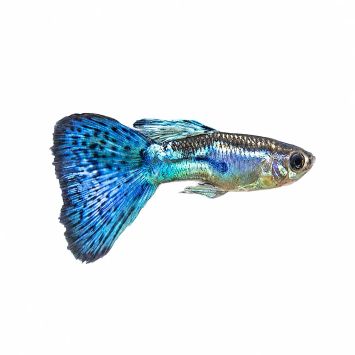
Bluegrass Delta Guppy for Sale
$19.99
Out of stock
SKU
Bluegrass Delta Guppy
Bluegrass Delta Guppies are a stunning variety of fancy guppy known for their vibrant blue coloration, flowing delta-shaped tails, and active personality. Their shimmering blue patterns and elegant finnage make them a standout centerpiece in freshwater community aquariums, planted tanks, and nano fish setups alike.
In addition to their beauty, Bluegrass Delta Guppies are hardy, peaceful, and beginner-friendly, making them a popular choice for both new and experienced aquarium hobbyists. These livebearers thrive in stable freshwater aquariums and do well alongside many peaceful fish and larger shrimp species.
At The Shrimp Farm, our Bluegrass Delta Guppies are carefully selected for health, coloration, and overall quality before shipping. We feed high-quality foods and maintain our fish in clean, healthy systems to help ensure they arrive active and ready to thrive in their new home aquarium.
We’ve found Bluegrass Delta Guppies to be one of the most eye-catching fancy guppies in planted aquariums. Their flowing fins and metallic blue patterns really stand out under aquarium lighting, and they’ve consistently been hardy and easy to maintain in our systems.
Bluegrass Delta Guppy Quick Facts
- Scientific Name: Poecilia reticulata
- Common Name: Bluegrass Delta Guppy
- Care Level: Easy
- Temperament: Peaceful and community-friendly
- Adult Size: 1.5–2.5 inches
- Diet: Omnivore — flakes, pellets, frozen foods, and live foods
- Tank Size: 10 gallons minimum
- Water Temperature: 72–82°F
- pH Range: 7.0–8.0
- Lifespan: 2–3 years with proper care
- Breeding: Livebearer; easy to breed in home aquariums
- Compatibility: Great for community tanks and often safe with adult shrimp
- Best Kept In: Planted aquariums with stable water quality
- Coloration: Metallic blue body with flowing delta-style tail and patterned finnage
- Skill Level: Excellent for beginners and experienced aquarists alike
- Origin: Selectively bred aquarium strain of fancy guppy
Are Bluegrass Delta Guppies Good for Beginners?
Yes, Bluegrass Delta Guppies are an excellent choice for beginner aquarium hobbyists. These colorful fancy guppies are hardy, peaceful, easy to feed, and adapt well to a wide range of freshwater aquarium setups. Their active behavior and bright blue coloration also make them one of the most rewarding beginner fish to keep.
Bluegrass Delta Guppies thrive in community aquariums with stable water conditions and regular maintenance. A simple setup with a heater, filter, and quality fish food is usually enough to keep them healthy and active. They are also livebearers, meaning experienced beginners can often successfully breed them without special equipment.
Because they stay relatively small, Bluegrass Delta Guppies work well in nano tanks and planted aquariums. They can also be kept alongside many peaceful fish species and often coexist well with larger shrimp.
For best long-term success, beginners should focus on:
- Stable water temperature and parameters
- Regular water changes
- High-quality fish foods
- Avoiding aggressive tank mates
- Providing plants or cover for comfort
Their combination of beauty, peaceful temperament, and ease of care makes Bluegrass Delta Guppies one of the best freshwater fish for beginners.
Are Bluegrass Delta Guppies Shrimp Safe?
Yes, Bluegrass Delta Guppies are generally considered shrimp safe, especially with larger shrimp species and adult dwarf shrimp. Their peaceful temperament makes them one of the better livebearer options for community shrimp tanks.
However, like most guppies, they may occasionally eat very small baby shrimp (shrimplets) if given the opportunity. A heavily planted aquarium with moss, floating plants, shrimp caves, and dense hiding spots will greatly improve shrimplet survival rates.
Bluegrass Delta Guppies do best when kept with:
-
Bamboo shrimp
-
Vampire shrimp
To maximize success in a shrimp and guppy aquarium:
-
Feed guppies a high-quality diet regularly
-
Use live plants and moss for cover
-
Avoid overcrowding
-
Maintain stable water parameters
-
Provide shrimp-specific hiding areas
Many hobbyists successfully keep Bluegrass Delta Guppies in planted shrimp tanks because their active swimming and flowing fins add movement and color without the aggressive behavior seen in larger fish species.
Why Buy Bluegrass Delta Guppies From The Shrimp Farm
✅ Healthy, active fish raised with expert care
✅ Quarantined and monitored before shipping
✅ Bright, high-quality coloration and finnage
✅ Shrimp-safe community fish for planted aquariums
✅ Fast, insulated shipping with live arrival guarantee
✅ Experienced aquatic team available for support
✅ Carefully packed to reduce stress during transit
✅ Great for both beginner and experienced aquarists
✅ Fed high-quality foods for optimal health and color
✅ Trusted by aquarium hobbyists nationwide for live fish shipping
Backed by The Shrimp Farm's Live Arrival Guarantee!
Bluegrass Delta Guppy vs Other Fancy Guppies
Bluegrass Delta Guppies stand out for their intricate blue mosaic-style tail pattern and large flowing delta tail shape. Compared to many other fancy guppies, they offer a more detailed lace-like appearance that really pops in planted aquariums. They are peaceful community fish, beginner-friendly, and easy to breed like most guppies, but their unique coloration makes them especially popular among collectors.
| Feature | Bluegrass Delta Guppy | Red Dragon Guppy | Blue Moscow Guppy | Yellow Tuxedo Guppy |
|---|---|---|---|---|
| Tail Pattern | Intricate blue grass/mosaic pattern | Red spotted mosaic pattern | Solid deep metallic blue | Bright yellow with tuxedo body |
| Body Color | Silver to blue | Red and silver | Dark metallic blue | Yellow and black |
| Tail Shape | Large delta tail | Delta tail | Delta tail | Delta tail |
| Difficulty Level | Beginner-Friendly | Beginner-Friendly | Beginner-Friendly | Beginner-Friendly |
| Shrimp Safe | Usually with adult shrimp | Usually with adult shrimp | Usually with adult shrimp | Usually with adult shrimp |
| Best Tank Style | Planted nano/community tanks | Colorful display tanks | Dark-background aquariums | Bright planted aquariums |
| Breeding Ease | Very Easy | Very Easy | Very Easy | Very Easy |
If you want a guppy with highly detailed finnage and a more elegant patterned appearance, Bluegrass Delta Guppies are one of the best choices available. They combine the hardiness of standard fancy guppies with a more premium show-quality look.
Bluegrass Delta Guppy Care Guide
Bluegrass Delta Guppies are hardy, beginner-friendly freshwater fish that thrive in stable, well-maintained aquariums. Their peaceful temperament, active swimming behavior, and vibrant blue coloration make them a great addition to planted community tanks and nano aquariums.
Tank Size
A 10 gallon aquarium is the recommended minimum tank size for a small group of Bluegrass Delta Guppies. Larger aquariums provide more stable water conditions and allow their active personalities to shine.
Water Parameters
Bluegrass Delta Guppies prefer clean, stable freshwater conditions:
- Temperature: 72–82°F
- pH: 7.0–8.0
- Moderate hardness preferred
- Ammonia and nitrite should always remain at 0
Regular weekly water changes help maintain health and coloration.
Diet
These guppies are omnivores and thrive on a varied diet. Feed a combination of:
- High-quality flakes or micro pellets
- Frozen foods
- Live foods such as daphnia or baby brine shrimp
- Color-enhancing foods for optimal coloration
Feeding small amounts 1–2 times daily works best.
Tank Setup
Bluegrass Delta Guppies do especially well in planted aquariums with gentle filtration and open swimming space. Live plants, floating plants, and dark substrates can help their blue colors stand out even more.
Tank Mates
These peaceful fancy guppies are excellent community fish and do well with:
- Small tetras
- Rasboras
- Corydoras catfish
- Endlers
- Peaceful rainbowfish
- Larger freshwater shrimp species
Avoid aggressive or fin-nipping fish.
Breeding
Bluegrass Delta Guppies are livebearers and breed easily in home aquariums. Females may give birth every 30 days under good conditions. Dense plants or moss can help provide cover for fry.
General Care Tips
- Keep water conditions stable
- Avoid overcrowding
- Perform regular maintenance
- Acclimate new fish slowly
- Feed a varied, high-quality diet
With proper care, Bluegrass Delta Guppies are hardy, colorful fish that can thrive for several years in a healthy freshwater aquarium.
Bluegrass Delta Guppy FAQ
Are Bluegrass Delta Guppies good for beginners?
Yes, Bluegrass Delta Guppies are considered one of the best beginner aquarium fish. They are hardy, peaceful, easy to feed, and adapt well to most community aquariums with stable water conditions.
How big do Bluegrass Delta Guppies get?
Adult Bluegrass Delta Guppies typically grow to around 1.5 to 2.5 inches in length. Males are usually smaller and more colorful than females.
Can Bluegrass Delta Guppies live with shrimp?
Bluegrass Delta Guppies are often safe to keep with larger shrimp such as adult Neocaridina and Amano shrimp. However, they may eat baby shrimp if given the opportunity, especially in heavily stocked tanks.
What do Bluegrass Delta Guppies eat?
Bluegrass Delta Guppies are omnivores and thrive on a varied diet of high-quality flakes, micro pellets, frozen foods, and live foods like daphnia or baby brine shrimp.
What tank size is best for Bluegrass Delta Guppies?
A 10 gallon aquarium is generally considered the minimum tank size for a small group of Bluegrass Delta Guppies. Larger tanks provide better stability and swimming space.
What water temperature do Bluegrass Delta Guppies need?
Bluegrass Delta Guppies do best in water temperatures between 72°F and 82°F, with stable water parameters and regular maintenance.
Are Bluegrass Delta Guppies aggressive?
No, Bluegrass Delta Guppies are peaceful community fish that do well with other small, non-aggressive aquarium species.
How long do Bluegrass Delta Guppies live?
With proper care, Bluegrass Delta Guppies commonly live 2 to 3 years in a healthy aquarium environment.
Do Bluegrass Delta Guppies breed easily?
Yes, Bluegrass Delta Guppies are livebearers and breed very easily in home aquariums. Females give birth to free-swimming fry approximately every 30 days under good conditions.
What fish can live with Bluegrass Delta Guppies?
Good tank mates include small tetras, rasboras, Corydoras catfish, endlers, peaceful rainbowfish, and many shrimp species. Avoid aggressive or fin-nipping fish.
Related Products


Login and Registration Form