

 Shrimp
 Fish
Fish Crab &
 Plants
 Foods
Foods Snails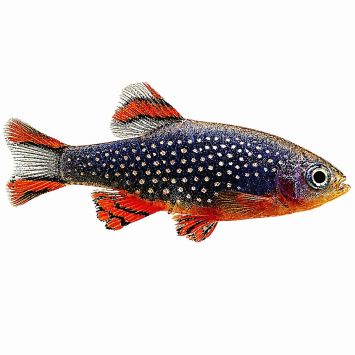
Galaxy Rasboras for Sale (Celestial Pearl Danio)
$8.99
In stock
SKU
Galaxy Rasboras
Galaxy Rasboras for Sale – What You Need to Know
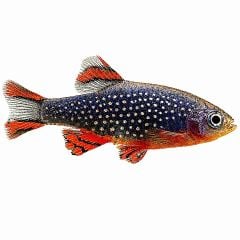
Galaxy Rasboras, also known as Celestial Pearl Danios, are one of the most colorful and sought-after nano fish for planted aquariums. Their striking pearl-like spots, bright orange fins, and peaceful temperament make them a perfect addition to shrimp tanks and nano community setups.
These small schooling fish thrive in groups of 6 or more and display their best coloration and natural behavior when kept in well-planted aquariums. Galaxy Rasboras are an excellent choice for hobbyists looking to add vibrant color without sacrificing compatibility with shrimp or other peaceful fish.
At The Shrimp Farm, we’ve worked with thousands of nano fish and specialize in shrimp-safe planted aquarium setups, giving us real-world experience with Galaxy Rasbora care, compatibility, and breeding success.
Galaxy Rasbora Quick Facts
- Scientific Name: Danio margaritatus
- Common Names: Galaxy Rasbora, Celestial Pearl Danio, CPD
- Care Level: Easy to Moderate
- Temperament: Peaceful
- Adult Size: Approximately 1 inch
- Tank Size: 10 gallons minimum
- Temperature Range: 72–78°F
- pH Range: 6.5–7.5
- Diet: Omnivore
- Lifespan: 3–5 years
- Schooling Fish: Yes — best kept in groups of 6–10+
- Shrimp Safe: Yes, generally safe with adult shrimp and peaceful tank mates
- Tank Level: Midwater
- Best Setup: Heavily planted aquarium with dark substrate and gentle flow
- Difficulty Level: Beginner to intermediate
- Breeding Difficulty: Moderate
- Compatible Tank Mates: Chili Rasboras, Ember Tetras, Corydoras, shrimp, and snails
- Coloration: Dark blue body with pearl-like spots and orange-red fins
Are Galaxy Rasboras Shrimp Safe?
Galaxy Rasboras are considered shrimp-safe, especially with adult freshwater shrimp. In heavily planted tanks, they coexist extremely well with Neocaridina and Caridina species.
Very small baby shrimp may occasionally be eaten, but this is minimal in established tanks with dense plant cover.
Feeding Galaxy Rasboras
Galaxy Rasboras are omnivores and thrive on a varied diet.
Recommended foods include:
- High-quality micro pellets
- Crushed flakes
- Baby brine shrimp
- Daphnia
- Other small live or frozen foods like Springtails
Feeding a diverse diet will enhance their coloration and overall health.
Want to learn more? Check out our full Galaxy Rasbora Care Guide for detailed tips on breeding, feeding, and tank setup.
Best Tank Mates for Galaxy Rasboras
Galaxy Rasboras are peaceful nano fish that thrive with other small, non-aggressive species. Choosing the right tank mates helps reduce stress, improve coloration, and create a more active, natural-looking aquarium.
Ideal Tank Mates
- Grade AA Cherry Shrimp (Neocaridina) – Perfect companions; help clean the tank and are generally safe with rasboras
- Tetras – Small, peaceful schooling fish that match their temperament
- Chili Rasboras – Similar size and behavior, great for nano tanks
- Corydoras – Bottom dwellers that add activity without competition
- Otocinclus Catfish – Excellent algae eaters that won’t bother tank mates
- Snails (Nerite, Mystery, Bladder) – Low-maintenance and completely peaceful
Tank Mates to Avoid
- Large or aggressive fish (cichlids, large barbs)
- Fin-nipping species
- Fish that outcompete them for food
Real Owner Tips for Keeping Galaxy Rasboras
Galaxy Rasboras (Celestial Pearl Danios) are one of our favorite nano fish for planted aquariums, but they tend to do best when kept in stable, mature tanks with plenty of cover. Over the years, we’ve found that these fish display their best coloration and most natural behavior when housed in groups with dark substrate, live plants, and calm tank mates.
Keep Them in Larger Groups
While Galaxy Rasboras can survive in smaller numbers, they are far more active and confident when kept in groups of at least 8–10 fish. Larger schools help reduce stress and encourage natural schooling behavior throughout the aquarium.
Dark Substrate Improves Coloration
We’ve consistently noticed that Galaxy Rasboras show deeper colors and stronger contrast over dark substrate and in planted aquariums. Bright bare-bottom tanks often wash out their colors and make them more timid.
Expect Shy Behavior at First
Newly introduced Galaxy Rasboras may hide for the first several days while adjusting to the aquarium. Once settled in and feeding consistently, they usually become much more active and visible.
Feed Small Foods for Best Results
These fish have small mouths and do best with:
- crushed flakes
- nano pellets
- baby brine shrimp
- daphnia
- frozen cyclops
Frequent small feedings tend to produce better coloration and healthier body condition than large feedings once per day.
Planted Tanks Make a Huge Difference
Galaxy Rasboras thrive in heavily planted aquariums with:
- moss
- stem plants
- floating plants
- driftwood cover
The more secure they feel, the more natural behavior and vibrant coloration you’ll see.
Why Buy Galaxy Rasboras Online from The Shrimp Farm
✔ Healthy, Hand-Selected Fish
Every Galaxy Rasbora (Celestial Pearl Danio) is carefully selected to ensure vibrant color, active behavior, and excellent health before shipping.
✔ Shrimp-Safe & Community Ready
Perfect for planted tanks and shrimp setups — peaceful, nano-sized fish that thrive in community aquariums.
✔ Expert Care & Proven Quality
We specialize in shrimp and nano fish, so you’re getting livestock raised and handled by people who understand their exact needs.
✔ Fast, Safe Shipping
Professionally packed with insulation and oxygen to ensure your fish arrive alive and stress-free.
✔ Live Arrival Guarantee
Buy with confidence — we stand behind every order with our live arrival guarantee.
✔ Better Value with Bundle Pricing
Save more when you stock your tank with our 1, 6, and 10 packs — perfect for building a thriving school.
✔ Trusted by Aquarium Hobbyists Nationwide
Thousands of happy customers rely on The Shrimp Farm for high-quality fish and shrimp.
Please note: Fish must be shipped via Express Shipping ONLY due to the safety of the fish.
Backed by The Shrimp Farm's Live Arrival Guarantee!

Scientific Name: Celestichthys margaritatus Common Name: Galaxy Rasbora Other Common Names: Celestial Pearl Danio Found in the wild: Yes
PH Range: 6.2 - 8.0 Temperature Range: 65 - 80 Hardness Range:3 - 15 dkh Life Span: 1 - 4 years
Ideal pH: 7.2 Ideal Temperature: 73 Ideal Hardness: 8 dkh Size: Approx. ½ inch to ¾ inch Diet: daphnia, baby brine, cyclops, MK breed baby shrimp food
Galaxy Rasboras (Celestichthys margaritatus)
The Celestial Pearl Danio (CPD) also known as the Galaxy Rasbora is one of the most popular nano fish available today. It is our most popular fish at The Shrimp Farm as well. The CPD is striking in any planted aquarium and can usually be kept safely with shrimp.
Galaxy Rasbora Behavior
While the small size of the CPD might make it seem compatible with other fish of the same size, they are often very shy and therefore find it difficult to find food. It is recommended to pair this fish with bottom-dwelling catfish so that they have an adequate food supply.
The Galaxy Rasbora reaches sizes between ½ inch to ¾ inch.
Galaxy Rasboras vs Chili Rasboras
Galaxy Rasboras and Chili Rasboras are two of the most popular nano fish for planted aquariums, but they offer very different looks and behaviors. Galaxy Rasboras (Celestial Pearl Danios) are known for their pearl-like spotting and active personality, while Chili Rasboras stay smaller and display intense red coloration in heavily planted tanks. Both species are excellent for shrimp-safe community aquariums when kept in stable water conditions.
| Feature | Galaxy Rasbora (CPD) | Chili Rasbora |
|---|---|---|
| Scientific Name | Danio margaritatus | Boraras brigittae |
| Adult Size | ~1 inch | ~0.6–0.8 inch |
| Temperament | Peaceful but active | Extremely peaceful and shy |
| Best Tank Size | 10+ gallons | 5+ gallons |
| Ideal Group Size | 6–10+ | 10–20+ |
| Coloration | Pearl spots with orange/red fins | Bright red body with dark stripe |
| Shrimp Safe? | Yes, generally shrimp-safe | Excellent shrimp-safe fish |
| Activity Level | Moderate to active | Calm schooling behavior |
| Difficulty Level | Beginner to intermediate | Beginner-friendly |
| Best Aquascape | Planted tanks with open swimming space | Dense planted or blackwater tanks |
| Feeding Response | Strong eater | Smaller foods preferred |
| Breeding Potential | Moderate | Moderate to difficult |
Which Nano Fish Is Better for Freshwater Shrimp Tanks?
Galaxy Rasboras are often the better choice for hobbyists wanting a more active centerpiece nano fish with striking patterns and personality. Chili Rasboras are ideal for ultra-peaceful shrimp colonies and heavily planted aquascapes where their bright red coloration really stands out.
If you want:
- More movement and interaction → choose Galaxy Rasboras
- Tiny schooling fish with intense red color → choose Chili Rasboras
- A balanced nano community → both species can often be kept together in larger planted aquariums
Related Nano Fish You May Also Like
- Emerald Dwarf Rasboras
- Ember Tetras
- Green Neon Tetras
- Norman’s Lampeye Killifish
Galaxy Rasbora Care Guide
Galaxy Rasboras, also known as Celestial Pearl Danios (Danio margaritatus), are hardy and rewarding nano fish when kept in the right conditions. With proper care, they display vibrant colors, active schooling behavior, and can thrive for years in a well-maintained aquarium.
For full setup tips, feeding recommendations, and compatibility, check out our Galaxy Rasbora care guide
Tank Size & Setup
- Minimum Tank Size: 5 gallons (10+ gallons recommended for groups)
- Aquascape: Heavily planted with moss, stem plants, and hiding spots
- Substrate: Dark substrate helps enhance their colors
- Lighting: Moderate lighting works best
A planted tank mimics their natural habitat and helps them feel secure.
Water Parameters
- Temperature: 72–78°F
- pH: 6.5–7.5
- Hardness: Soft to moderately hard water
- Water Flow: Gentle
Stability is more important than chasing exact numbers.
Diet & Feeding
Galaxy Rasboras are omnivores and do best with a varied diet:
- High-quality micro pellets or flakes
- Baby brine shrimp
- Daphnia
- Bloodworms (frozen or live)
Feed small amounts 1–2 times daily. Because of their tiny mouths, smaller foods work best.
Behavior & Temperament
- Peaceful and shy, especially when first introduced
- Prefer to be in groups of 6–10 or more
- Males display brighter colors and may spar harmlessly
The larger the group, the more confident and active they become.
Tank Maintenance
- Perform weekly water changes (20–30%)
- Keep ammonia and nitrites at 0
- Maintain clean filtration without strong currents
Clean, stable water is key to long-term health.
Breeding Tips for Galaxy Rasboras
Galaxy Rasboras can breed in home aquariums:
- Use a heavily planted or moss-filled
- Eggs are scattered and not guarded
- Fry can be fed infusoria or powdered foods
Separating adults increases survival rates of fry.
Common Mistakes to Avoid
- Keeping them in groups that are too small
- Housing with aggressive or large fish
- Overfeeding or using food that’s too large
- Bare tanks with no cover or plants
How big do Galaxy Rasboras get?
At a maximum size of around 2 - 2.5cm, Celestial Pearl Danios stay quite small.
How many Galaxy Rasboras can I keep per gallon?
We recommend no less than 2 fish per gallon (mininum of 5 gallon tank). They thrive in larger numbers of 10 or more. They become more peaceful and colorful in larger numbers.
How long do Galaxy Rasboras live?
3-5 years is the average lifespan of a Galaxy Rasbora.
Are Galaxy Rasboras easy to Breed?
Breeding Galaxy Rasboras is easy. In fact, it's a little too easy. These fish are continuous spawners. This means that they will lay eggs regularly if conditions are good. However, the fry are often eaten by the adults. So, to prevent this, set up a separate cycled breeding tank, which is the best option if you want to actively breed them. You’ll have a higher chance of preserving Galaxy Rasbora fry if you remove the adults after they’ve spawned.
What is the diet of Galaxy Rasboras?
Galaxy Rasboras will thrive on omnivorous type foods. They will readily eat most flake foods and algae wafers, as well as freeze-dried daphnia, bloodworms, and brine shrimp.
What are the best tankmates for Galaxy Rasboras?
Galaxy Rasboras, in general, are incredibly peaceful fish and get along with other fish AND shrimp. We recommend keeping galaxy rasboras in numbers of 6 or more because they are known to thrive when schooling together.
Feel free to add shrimp, Dwarf Orange Crayfish, snails, and other peaceful fish to your tank with them. They also LOVE planted tanks and rocks due to extra nutrients and hiding places.
What is the best way to Acclimate my new Galaxy Rasboras?
When adding new tankmates to your already existing tank, it is important to take the proper steps in introducing and acclimating them into their new home. The whole process is extremely stressful for the fish. Acclimation is important for fish as it allows them time to adjust to the temperature and parameters of their new environment. By doing this correctly, you will reduce the chances of shock or death of your new crayfish. We recommend drip acclimation for fish as it is generally the best option to adjust them slowly to your tank. You can find our Premium Drip Acclimation Kit here.
Is your question not listed above?
If you don't see the answer to your question, give us a quick email, and we will get back to you asap.
Related Products


Login and Registration Form