


 Shrimp
 Fish
Fish Crab &
 Plants
 Foods
Foods Snails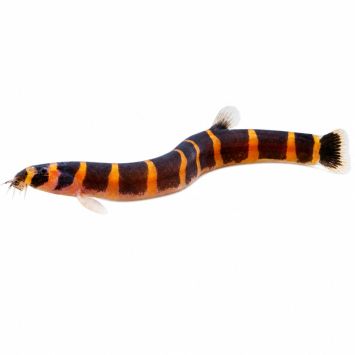
Kuhli Loaches for Sale (Pangio kuhlii) – Peaceful Bottom Dwelling Fish
$4.99
Out of stock
SKU
Kuhli Loaches
Looking for kuhli loaches for sale? These unique, eel-like bottom dwellers are one of the most fascinating additions you can make to a freshwater aquarium. Known for their striped bodies, peaceful temperament, and playful burrowing behavior, kuhli loaches bring life and personality to the lower levels of your tank.
Perfect for community aquariums and shrimp tanks, kuhli loaches thrive in groups and do best in planted setups with soft substrate and plenty of hiding spots. Whether you’re a beginner or an experienced aquarist, they’re a low-maintenance, rewarding species that becomes more active and engaging over time.
At The Shrimp Farm, our kuhli loaches are carefully selected and shipped with care to ensure they arrive healthy, active, and ready to thrive in your aquarium.
Kuhli Loach Quick Facts
- Common Name: Kuhli Loach
- Scientific Name: Pangio kuhlii (commonly Pangio semicincta in the trade)
- Care Level: Easy to Moderate (great for beginners)
- Temperament: Peaceful, shy, social
- Size: 3–4 inches (fully grown)
- Lifespan: 7–10 years with proper care
- Tank Size: 20+ gallons recommended
- Group Size: Best kept in groups of 3–6+
- Diet: Omnivore (sinking pellets, wafers, frozen foods, live foods)
- Behavior: Nocturnal, bottom-dwelling, burrowing
- Substrate: Soft sand preferred (protects delicate barbels)
- Water Temperature: 75–86°F
- pH Range: 5.5–7.5
- Compatibility: Excellent for community tanks and shrimp-safe setups
- Special Traits: Eel-like body, loves hiding spots, highly active at night
Are Kuhli Loaches Good for Beginners?
Yes—kuhli loaches are a great choice for beginners, especially if you’re building a peaceful community aquarium.
These unique, eel-like bottom dwellers are hardy, non-aggressive, and easy to care for, making them ideal for newer fishkeepers who want something a little different than typical community fish.
Why Kuhli Loaches Are Beginner-Friendly
- Peaceful temperament – They get along with most community fish and won’t cause issues in your tank
- Hardy once established – They adapt well to stable aquarium conditions
- Low maintenance diet – Readily accept sinking pellets, wafers, and frozen foods
- Small tank compatible – Can thrive in 20-gallon setups or larger
- Great for cleanup – Help consume leftover food from the bottom
What Beginners Should Know
While kuhli loaches are beginner-friendly, there are a few important things to get right:
- Keep them in groups – At least 3–6 for natural behavior and reduced stress
- Use soft substrate – Sand is best to protect their sensitive barbels
- Provide hiding spots – Driftwood, caves, and plants help them feel secure
- Expect shy behavior – They are nocturnal and may hide during the day
Bottom Line
If you want a peaceful, low-maintenance, and unique bottom-dwelling fish, kuhli loaches are an excellent option for beginners—as long as you provide the right setup and keep them in a group.
Why Buy Kuhli Loaches Online from The Shrimp Farm
- ✅ Healthy, Active Fish – Carefully sourced and conditioned kuhli loaches that arrive active and ready to thrive
- ✅ Shrimp-Safe & Community Friendly – Perfect for peaceful aquariums and fully compatible with shrimp setups
- ✅ Expert Care & Knowledge – Backed by aquatic specialists who understand kuhli loach care and success
- ✅ Fast, Safe Shipping – Professionally packed and shipped quickly to reduce stress and ensure safe arrival
- ✅ Live Arrival Guarantee – Shop with confidence knowing your order is protected
- ✅ Bundle Pricing Available – Save more with multi-pack options, ideal for keeping kuhli loaches in proper groups
- ✅ Trusted Nationwide – A reliable source for high-quality fish trusted by hobbyists across the U.S.
Order with confidence from The Shrimp Farm and get healthy kuhli loaches delivered safely to your door.
**All live fish must be shipped via UPS next day air for the safety of the fish
BACKED BY THE SHRIMP FARM'S LIVE ARRIVAL GUARANTEE!
Kuhli Loaches (Pangio Kuhlii)
The Kuhli Loach, also known as the Pangio Kuhlii or "coolie loach", is one of the most popular schooling fish for nano aquariums because of its ability to be kept with tank mates such as shrimp and other aquarium fish. This eel shaped fish eats most sinking foods, but it can also be supplemented with frozen bloodworms, fish flakes, or brine shrimp. Kuhli Loaches eat pretty much anything besides shrimp and other fish.
Kuhli Loach Behavior
The Kuhli Loach is a peaceful fish that will get along well with most other fish species. Kuhli loach fish are active and curious creatures, often exploring their tank environment and investigating any objects they come across. They display a unique behavior known as ‘bobbing’, in which they rhythmically rise to the surface of the water and then sink back down again. This behavior is thought to be used as a means of communication between the freshwater fish in a kuhli loach tank. In general, they will be found at the bottom of the tank. The average kuhli loach size is 3-4 inches, with female kuhli loaches typically being slightly smaller. The Kuhli loach lifespan is 3-5 years.
Why Are My Kuhli Loaches Always Hiding?
It’s completely normal—kuhli loaches are naturally shy and nocturnal fish, so hiding during the day is part of their behavior.
In fact, if your kuhli loaches are hiding, it usually means they feel safe and secure in your aquarium.
Common Reasons Kuhli Loaches Hide
- Nocturnal behavior – They are most active at night and often stay hidden during daylight hours
- New to the tank – Recently added loaches may hide more while adjusting
- Not enough of a group – Kuhli loaches feel safer in groups of 3–6+
- Too much light – Bright lighting can make them retreat into hiding spots
- Lack of cover – They need plants, caves, and driftwood to feel comfortable
How to Encourage More Activity
If you want to see your kuhli loaches more often:
- Keep them in groups – Larger groups increase confidence and activity
- Add hiding spots – Use plants, caves, and leaf litter
- Dim the lighting – Lower light levels make them more active
- Feed in the evening – They’ll come out when food is available
- Use a natural aquascape – Replicates their native habitat
When Hiding Might Be a Problem
While hiding is normal, it could indicate an issue if:
- They never come out, even at night
- They stop eating
- Water parameters are unstable
Always check water quality and tank conditions if behavior seems unusual
Final Takeaway
Kuhli loaches are naturally secretive fish, and some hiding is expected. With the right setup—soft substrate, plenty of cover, and a proper group—you’ll start to see more of their playful, active behavior, especially in the evening hours.
Buying Kuhli Loaches
Kuhli Loaches are an excellent addition to your fish tank or shrimp tank. Adding more kuhli loaches is usually recommended so that they are in a school of a minimum of 6 so that they can thrive with their other tank mates.
Kuhli Loach Care Guide
Kuhli loaches (Pangio kuhlii, commonly Pangio semicincta in the hobby) are peaceful, eel-like bottom dwellers that thrive in well-established aquariums. This care guide covers everything you need to keep kuhli loaches healthy, active, and long-lived.
Tank Size & Setup
Kuhli loaches do best in 20 gallons or larger, especially when kept in groups.
- Minimum Tank Size: 20 gallons
- Ideal Setup: Heavily planted aquarium with hiding spots
- Substrate: Soft sand (critical to protect barbels)
- Decor: driftwood, leaf litter, caves, and dense plants
- Lighting: Low to moderate (they prefer dim environments)
A natural, shaded setup encourages more activity and visible behavior
Water Parameters
Stable water conditions are key to success with kuhli loaches.
- Temperature: 75–86°F
- pH: 5.5–7.5
- Hardness: Soft to moderately hard
- Filtration: Gentle flow preferred
Avoid sudden changes—kuhli loaches are sensitive to fluctuations
Behavior & Temperament
Kuhli loaches are peaceful, shy, and highly social fish.
- Temperament: Non-aggressive
- Activity: Nocturnal (most active at night)
- Behavior: Burrowing, hiding, schooling loosely
- Best Practice: Keep in groups of 3–6+
When kept alone, they become stressed and hide constantly
Diet & Feeding
Kuhli loaches are omnivores and easy to feed.
- Staple Foods: Sinking pellets, wafers
- Protein Boost: Frozen or live foods (bloodworms, brine shrimp)
- Feeding Time: Evening or lights-off (when they are active)
Make sure food reaches the bottom—surface feeders can outcompete them
Tank Mates
Kuhli loaches are ideal for peaceful community tanks.
Great tank mates:
Avoid:
- Aggressive fish
- Large predators
- Fin-nippers
They are shrimp-safe and won’t bother tank mates
Substrate Matters (Critical)
This is one of the most important parts of kuhli loach care.
- Best: Fine sand
- Avoid: Sharp gravel
Kuhli loaches love to burrow, and rough substrate can injure them
Common Issues & Tips
- Hiding all the time? → Normal, especially without a group
- Not eating? → Feed at night
- Sudden deaths? → Check water stability and ammonia levels
Always acclimate slowly—they’re sensitive to sudden changes
Breeding Kuhli Loaches
Breeding kuhli loaches in home aquariums is rare but possible.
- Requires heavily planted tanks
- Stable water conditions
- Well-fed, mature group
Most kuhli loaches sold are wild-caught or farm-raised
Lifespan & Growth
- Size: 3–4 inches
- Lifespan: 7–10 years
With proper care, they are a long-term addition to your aquarium
Final Care Tips
- Keep them in groups
- Use soft sand substrate
- Provide plenty of hiding places
- Feed at night
- Maintain stable water conditions
Why This Matters for Buyers
Kuhli loaches are one of the best beginner-friendly bottom feeders when properly cared for. Their peaceful nature, unique appearance, and low-maintenance needs make them a perfect addition to planted and community aquariums.
Kuhli Loach vs Corydoras vs Other Bottom Feeders
Choosing the right bottom-dwelling fish can make a big difference in how your aquarium looks and functions. Here’s how kuhli loaches compare to other popular bottom feeders like Corydoras and Otocinclus.
| Feature | Kuhli Loach (Pangio kuhlii) | Corydoras Catfish | Otocinclus Catfish |
|---|---|---|---|
| Temperament | Very peaceful, shy | Peaceful, active | Peaceful, sensitive |
| Activity Level | Nocturnal, hides often | Active during the day | Active but subtle |
| Group Size | 3–6+ recommended | 5–6+ recommended | 4–6+ recommended |
| Tank Level | Bottom (burrowing) | Bottom (open swimming) | Glass, plants, surfaces |
| Diet | Omnivore (sinking foods, protein) | Omnivore (varied diet) | Herbivore (algae, biofilm) |
| Beginner Friendly | Yes (with proper setup) | Yes (very beginner-friendly) | Moderate (needs stable tank) |
| Substrate Needs | Soft sand (very important) | Sand or smooth gravel | Not substrate dependent |
| Visibility | Low (hides often) | High (very visible) | Medium |
| Unique Trait | Eel-like body, burrows | Schooling catfish behavior | Excellent algae eater |
Why Choose Kuhli Loaches?
- Unique eel-like appearance not found in other bottom feeders
- Perfect for natural, planted aquariums
- Great for low-light, heavily aquascaped tanks
- Completely peaceful and shrimp-safe
When to Choose Corydoras Instead
- You want fish that are active during the day
- You prefer more visible, schooling behavior
- You’re setting up a beginner-friendly community tank
When Otocinclus Might Be Better
- You need a dedicated algae eater
- Your tank is already well-established with biofilm
- You want a small, plant-safe cleanup crew
Final Verdict
If you’re looking for a peaceful, unique, and low-maintenance bottom-dwelling fish, kuhli loaches are an excellent choice—especially for planted or shrimp tanks.
However, if visibility and daytime activity are more important, Corydoras may be a better fit, while Otocinclus are ideal for algae control in mature aquariums.
For most aquarists, kuhli loaches offer the perfect balance of personality, peaceful behavior, and natural aesthetics—making them a standout addition to any community aquarium.
Do Kuhli Loaches Eat Shrimp?
No—kuhli loaches are considered shrimp-safe and are a great addition to shrimp tanks.
These peaceful bottom dwellers are not predators and primarily feed on leftover food, small invertebrates, and sinking foods. In most aquariums, kuhli loaches will completely ignore healthy adult shrimp.
When Could There Be a Risk?
While kuhli loaches are generally safe, there are a few situations to be aware of:
- Shrimplets (baby shrimp): Very small shrimp may occasionally be eaten if encountered
- Dead or weak shrimp: Kuhli loaches will scavenge them
- Heavily underfed tanks: Hunger can increase opportunistic behavior
This is rare, but possible in poorly maintained setups
How to Keep Kuhli Loaches and Shrimp Together Successfully
- Provide dense plant cover – moss and plants give baby shrimp places to hide
- Feed regularly – Ensure kuhli loaches are well-fed with sinking foods
- Keep a stable tank – Healthy shrimp populations reproduce faster than any losses
Best Tank Setup for Both
- Planted aquarium with moss, driftwood, and hiding spots
- Soft sand substrate (ideal for kuhli loaches)
- Peaceful tank mates only
Final Verdict
Kuhli loaches are one of the best shrimp-safe bottom feeders you can keep. As long as your tank is properly set up and maintained, they will coexist peacefully with shrimp and even help keep your aquarium clean.
Why Are My Kuhli Loaches Always Hiding?
It’s completely normal—kuhli loaches are naturally shy and nocturnal fish, so hiding during the day is part of their behavior.
In fact, if your kuhli loaches are hiding, it usually means they feel safe and secure in your aquarium.
Common Reasons Kuhli Loaches Hide
- Nocturnal behavior – They are most active at night and often stay hidden during daylight hours
- New to the tank – Recently added loaches may hide more while adjusting
- Not enough of a group – Kuhli loaches feel safer in groups of 3–6+
- Too much light – Bright lighting can make them retreat into hiding spots
- Lack of cover – They need plants, caves, and driftwood to feel comfortable
How to Encourage More Activity
If you want to see your kuhli loaches more often:
- Keep them in groups – Larger groups increase confidence and activity
- Add hiding spots – Use plants, caves, and leaf litter
- Dim the lighting – Lower light levels make them more active
- Feed in the evening – They’ll come out when food is available
- Use a natural aquascape – Replicates their native habitat
When Hiding Might Be a Problem
While hiding is normal, it could indicate an issue if:
- They never come out, even at night
- They stop eating
- Water parameters are unstable
Always check water quality and tank conditions if behavior seems unusual
Final Takeaway
Kuhli loaches are naturally secretive fish, and some hiding is expected. With the right setup—soft substrate, plenty of cover, and a proper group—you’ll start to see more of their playful, active behavior, especially in the evening hours.
How many kuhli loaches should be kept together?
Since Kuhli loaches are 3-4 inches long, they have very low bioloads (in other words, they do not generate much waste). , we recommend you keep at least a group of three – six loaches to visit the 20-gallon aquarium to be safe and explore with them.
Do kuhli loaches eat other fish?
Kuhli loaches consume larva, vegetation and small crustaceans. Kuhli loaches are classified as scavenger fish. Therefore they consume everything destined at the bottom of the aquarium. An omnivore animal, kuhli loach eats larvae, plants and crustaceans. The are peaceful with other tank mates, especially freshwater fish since kuhli loaches are not an aggressive fish.
Do Kuhli Loaches eat shrimp?
Kuhli Loaches can certainly eat frozen brine shrimp or freshly hatched brine shrimp, but dwarf aquarium shrimp should be safe in this fish tank. Other live foods such as daphnia are good for them to eat as well. Kuhli loaches are peaceful tank mates and perfect to keep with your shrimp. As long as your kuhli loaches are fed well in your home aquarium, they should make to be great tank mates with shrimp, here at the shrimp farm we think they would actually be ideal tank mates.
What fish can go with Kuhli Loach?
Suitable tankmates are Danos, Gouramis, Tetras, Rasboras, and even some bigger fish. Red Cherry Shrimp and corydora are also good tankmates with Kuhli Loach fish. Most fish do super well with kuhli loaches since they are a non aggressive fish aka a "community fish". Really big fish should be added with caution to make sure they get along. Please note, most of the fish listed above WILL eat tiny shrimp, a rule of thumb is any live food that will fit in a fish's mouth, they will most often try to eat.
What Plants can be kept with kuhli loaches?
You can keep a large number of plants or mosses in your fish tank. Most of our fish species, including kuhli loaches love java moss, floating plants, and really any type of plant that we offer. The plants that we offer are great because they act like a fish's natural habitat. Other community fish that we offer that would be perfect for this fish tank would make good tank mates with the kuhli loaches. Kuhli loaches love to hangout on the bottom of the tank, and if you have a different fish species roaming around the middle to top portion of the tank, it would be ideal to have some floating plants for all to eat off of.
How do you breed a kuhli loach?
To set up a breeding tank of kuhli loaches, you will need to review the appropriate food and diet info of kuhli loaches to make sure they are well fed. Breeding kuhli loaches ideally you will have a spawning mop or dense vegetation should be provided in the tank. Floating plants also are ideal to use in addition to the spawning mop. If breeding is successful, the female kuhli loaches will lay a few hundred fish eggs among plants or on solid surfaces such as wood or rocks. After spawning, the parents and other adult fish should be removed from the tank to prevent them from eating their own eggs (most fish will try to eat their own fry). The eggs will hatch after four days and the fry should be fed liquid food, frozen food, and small live food. This is why breeding tank or care tank for the babies to hatch into is ideal. Breeding kuhli loaches is a rewarding experience.
What other types of Kuhli loach exist?
There are several subtypes of kuhli loaches, but kuhli loach care is important for all of them. There are black kuhli loaches, a leopard loach, and more in the aquarium trade. All of these kuhli loaches are considered "scaleless fish" because they do not have any scales at all on them. All of the loaches above make a good option for your community tank. The leopard loach has super cool coloration, but the black kuhli loaches seem to be more readily available for puchase. Either way, add one of theses scaleless fish to your tank today!
What is the best way to Acclimate my new Kuhli Loach?
When adding a kuhli loach to your already existing tank, it is important to take the proper steps in introducing and acclimating the kuhli loach into their new home. The whole process is extremely stressful for the fish. Acclimation is important for fish as it allows them time to adjust to the temperature and parameters of their new environment. By doing this correctly, you will reduce the chances of shock or death of your new kuhli loach. We recommend drip acclimation for fish as it is generally the best option to adjust them slowly to your tank. You can find our Premium Drip Acclimation Kit here.
What if I have another question about my new Kuhli Loach?
If you have a question about your kuhli loach, please email us at [email protected] and we will get back to you within 1-2 business days. We want you to be 100% satisfied with the purchase of your kuhli loach from us, so please don't hesitate to reach out. You can also find more information at our top-searched blog post on caring for kuhli loaches.
Related Products


Login and Registration Form