

 Shrimp
 Fish
Fish Crab &
 Plants
 Foods
Foods Snails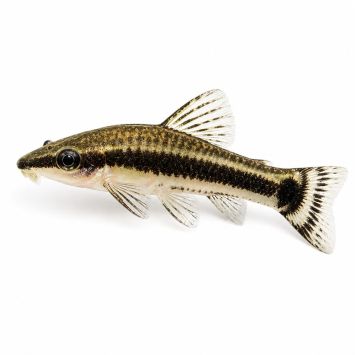
Otocinclus Catfish for Sale (Oto Cat)
$6.99
Out of stock
SKU
Otocinclus Catfish
One of the most effective and shrimp-safe algae eaters you can add to your aquarium, Otocinclus catfish are a must-have for clean, balanced tanks. Known for their peaceful nature and constant grazing behavior, these small schooling fish help control soft algae without disturbing shrimp or delicate plants.
Native to slow-moving, plant-rich waters in South America, Otocinclus thrive in established aquariums where biofilm and natural algae are present. When kept in groups, they display more natural behavior and stay healthier—making them an ideal choice for planted tanks, nano aquariums, and shrimp setups.
If you're looking for a reliable, low-impact cleanup crew that works around the clock, Otocinclus catfish are one of the best choices available for maintaining a clear, algae-free aquarium. Learn more about why why we love keeping them with shrimp!
Are Otocinclus Catfish Good for Beginners?
Otocinclus catfish can be a great choice for beginners—but only under the right conditions. While they are peaceful, small, and incredibly useful for controlling algae, they are also more sensitive than many other beginner fish and do best in stable, well-established aquariums.
For new fishkeepers, the biggest challenge with Otocinclus is ensuring there is enough natural algae and biofilm for them to graze on. Unlike many fish, they don’t always adapt quickly to prepared foods, so adding them to a brand-new tank often leads to poor health. However, in a mature tank with consistent water parameters, they become hardy, active, and rewarding to keep.
Beginner Tips for Success:
- Add Otocinclus only to established tanks (4–6+ weeks old)
- Keep them in groups of at least 4–6 for best health and behavior
- Maintain stable water parameters (avoid sudden changes)
- Supplement their diet with algae wafers, blanched zucchini, or spinach
- Pair them with peaceful tank mates (perfect for shrimp tanks)
Final Verdict:
Otocinclus are beginner-friendly with a little preparation. If you have a cycled, algae-rich aquarium and want a gentle, shrimp-safe algae eater, they are one of the best choices you can make.
Best Tank Mates for Otocinclus Catfish
Otocinclus catfish are extremely peaceful and do best when paired with other calm, non-aggressive species. Because they are small and gentle, the goal is to choose tank mates that won’t outcompete them for food or cause stress.
✔ Ideal Tank Mates
These species create a balanced, low-stress environment:
- Small schooling fish (tetras or rasboras and minnows
- Corydoras Catfish (other peaceful bottom dwellers)
- Livebearers like Guppies and Endler's
- Freshwater Snails (nerite, mystery snails)
- Shrimp (Neocaridina & Caridina) – 100% shrimp safe
⚠ Use Caution With
- Semi-aggressive fish (may outcompete or stress Otos)
- Fast, aggressive feeders (Otos can struggle to get food)
❌ Avoid These Tank Mates
- Cichlids (especially aggressive species)
- Large or predatory fish
- Fin-nipping species (like tiger barbs)
Pro Tip:
Otocinclus feel safest in groups of 4–6+, and when combined with peaceful tank mates, they’ll be more active, visible, and effective at controlling algae.
Why Buy Otocinclus Catfish Online from The Shrimp Farm
When you order Otocinclus catfish from The Shrimp Farm, you're getting more than just fish—you’re getting healthy, carefully selected algae eaters raised with shrimp-safe practices in mind. We specialize in peaceful community species, so you can feel confident your Otos will arrive ready to thrive in planted and shrimp tanks.
What You’ll Love:
- ✔ Healthy, Active Fish – Carefully acclimated and inspected before shipping
- ✔ Shrimp-Safe Guarantee – Perfect for Neocaridina and Caridina tanks
- ✔ Expert Care Standards – Raised and handled by aquatics specialists
- ✔ Fast, Secure Shipping – Professionally packed to minimize stress
- ✔ Live Arrival Guarantee – Shop with total confidence
- ✔ Bundle Discounts Available – Save more when you stock your tank the right way
- ✔ Trusted by Hobbyists Nationwide – Thousands of successful shipments
BACKED BY THE SHRIMP FARM'S LIVE ARRIVAL GUARANTEE!
Otocinclus Catfish FAQ
Are Otocinclus catfish good algae eaters?
Yes—Otocinclus catfish are considered one of the best algae eater fish for freshwater aquariums, especially in planted and shrimp tanks. They specialize in eating soft algae and biofilm, helping keep glass, plants, and decorations clean without damaging your aquascape.
Are Otocinclus catfish shrimp safe?
Absolutely. Otocinclus catfish are 100% shrimp safe and will not harm Neocaridina or Caridina Shrimp. Their small mouths are designed for grazing algae, not preying on tank mates, making them one of the safest fish you can add to a shrimp tank.
How many Otocinclus catfish should be kept together?
Otocinclus are schooling fish and should be kept in groups of at least 4–6, with larger groups (6–10) being ideal. Keeping them in groups reduces stress, improves health, and encourages natural behavior.
What do Otocinclus catfish eat?
Otocinclus primarily eat algae and biofilm, but they should also be supplemented with:
- Algae wafers
- Blanched vegetables (zucchini, spinach, cucumber)
- Soft plant matter and biofilm-rich surfaces
In clean tanks, supplemental feeding is essential to prevent starvation.
Are Otocinclus catfish good for beginners?
Otocinclus can be beginner-friendly if added to an established aquarium. They are sensitive to unstable water conditions and require natural algae to graze on, so they are best suited for tanks that have been running for at least 4–6 weeks.
What size tank do Otocinclus catfish need?
A 10-gallon tank is the minimum, but a 20-gallon or larger aquarium is recommended for groups. More space allows for better water stability and more natural algae growth.
Why do Otocinclus catfish sometimes die after purchase?
The most common reasons include:
- Lack of algae or food
- Stress from transport
- Poor acclimation
- Unstable water parameters
Proper acclimation and adding them to a mature tank greatly improves survival rates.
Do Otocinclus catfish need a planted tank?
While not required, Otocinclus thrive in planted aquariums where natural algae and biofilm are abundant. Plants, driftwood, and surfaces provide essential grazing areas.
Can Otocinclus live in a 10 gallon tank?
Yes, Otocinclus can live in a 10-gallon tank if kept in a small group and the tank is well-established. However, larger tanks provide more stability and food sources, which leads to better long-term success.
Related Products


Login and Registration Form