

 Shrimp
 Fish
Fish Crab &
 Plants
 Foods
Foods Snails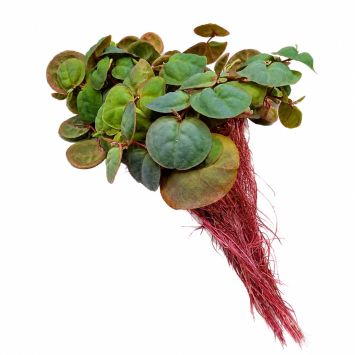
Red Root Floater (Phyllanthus fluitans)
$8.49
In stock
SKU
Red Root Floater
Add stunning color and natural filtration to your aquarium with Red Root Floater (Phyllanthus fluitans), one of the most sought-after floating aquarium plants available. Known for its vibrant red roots and ability to develop beautiful red leaves under strong lighting, Red Root Floater creates a striking display while helping absorb excess nutrients and reduce algae growth.
This easy-to-grow floating plant is perfect for shrimp tanks, betta aquariums, planted tanks, and low-tech setups. Its dangling root structure provides valuable grazing surfaces for shrimp and creates natural cover for fish while helping shade the aquarium below.
Red Root Floaters thrive in calm water with minimal surface agitation and can quickly multiply to form an attractive floating canopy across the water's surface. Whether you're looking to improve water quality, enhance your aquascape, or provide shelter for shrimp and fish, Red Root Floater is an excellent choice.
Order your Red Root Floater plants today and take advantage of our affordable $9.99 Plant-Only Shipping, making it easy to add beautiful live aquarium plants to your tank without paying high shipping costs.
Red Root Floater Quick Facts
• Scientific Name: Phyllanthus fluitans
• Common Names: Red Root Floater, Floating Spurge
• Care Level: Easy
• Growth Rate: Moderate to Fast
• Lighting: Moderate to High
• CO2 Required: No
• Placement: Floating Plant
• Temperature: 68–82°F (20–28°C)
• pH Range: 6.5–7.8
• Propagation: Daughter Plants / Runners
• Leaf Color: Green to Red under strong lighting
• Root Color: Bright Red
• Shrimp Safe: Yes
• Snail Safe: Yes
• Beginner Friendly: Yes
• Helps Reduce Algae: Yes
• Provides Grazing Area for Shrimp: Yes
• Best For: Shrimp Tanks, Betta Tanks, Planted Aquariums, and Aquascapes
Are Red Root Floaters Good For Shrimp?
Yes, Red Root Floaters are one of the best floating plants for shrimp tanks. Their long, hanging roots provide a natural grazing area where shrimp can feed on biofilm, microorganisms, and tiny food particles throughout the day.
The dense root structure also creates shelter for baby shrimp, helping them feel secure and reducing stress in community aquariums. Many shrimp keepers use Red Root Floaters to provide additional cover while maintaining an attractive, natural-looking aquarium.
Another benefit is nutrient absorption. Red Root Floaters help remove excess nitrates and other nutrients from the water column, which can improve water quality and create a healthier environment for Freshwater Cherry Shrimp, Crystal Shrimp, Amano Shrimp, and other dwarf shrimp species.
Because they float on the surface, Red Root Floaters also help diffuse bright lighting, creating shaded areas that shrimp often prefer. Their striking red roots and colorful leaves add visual appeal while serving a practical purpose in the aquarium.
Whether you're setting up a dedicated shrimp tank or a planted community aquarium, Red Root Floaters are an excellent choice for providing cover, improving water quality, and creating additional grazing surfaces for shrimp.
Best Tank Mates For Red Root Floaters
Red Root Floaters are a versatile floating aquarium plant that can be kept in a wide variety of freshwater aquariums. Because they float at the water's surface and have long hanging roots, they provide shelter, shade, and grazing areas for many popular aquarium species.
Some of the best tank mates for Red Root Floaters include:
• Cherry Shrimp for sale
• Blue Dream Shrimp
• Amano Shrimp
• Crystal Red Shrimp
• Corydoras Catfish
• Otocinclus Catfish
• Harlequin Rasboras
• Chili Rasboras
• Neon Tetras
• Ember Tetras
• Betta Fish
• Honey Gouramis
Red Root Floaters are especially popular in shrimp tanks because their roots collect biofilm and microscopic organisms that shrimp naturally graze on. The dense root structure also provides valuable cover for baby shrimp, helping them feel secure and reducing stress.
For fish, Red Root Floaters create shaded areas that mimic natural habitats. Species such as bettas, rasboras, and tetras often display better coloration and behavior when floating plants are present.
In addition to providing shelter, Red Root Floaters help absorb excess nutrients from the water column, improving water quality for both fish and shrimp. This makes them an excellent choice for planted aquariums, shrimp tanks, nano tanks, and peaceful community aquariums.
Why Buy Red Root Floaters Online From The Shrimp Farm?
When you buy Red Root Floaters from The Shrimp Farm, you're getting healthy, aquarium-grown plants from a team that has specialized in shrimp, plants, and freshwater aquariums for years. We carefully inspect every order to ensure you receive vibrant, healthy plants ready to thrive in your aquarium.
✅ Healthy, Quality Plants – We select healthy Red Root Floaters with strong growth potential and vibrant coloration.
✅ Shrimp Safe – Red Root Floaters provide biofilm grazing surfaces and shelter for baby shrimp, making them an excellent choice for shrimp tanks.
✅ Expertly Packed For Shipping – Every order is packed with care to help ensure your plants arrive in excellent condition.
✅ Fast Nationwide Shipping – We ship quickly so your plants spend less time in transit.
✅ Live Arrival Guarantee – Buy with confidence knowing your order is backed by our live arrival guarantee.
✅ Helps Improve Water Quality – Red Root Floaters absorb excess nutrients and can help reduce algae growth in planted aquariums.
✅ Perfect For Aquascaping – Their unique red roots and colorful leaves add beauty and natural cover to freshwater tanks.
✅ Bundle And Save – Combine Red Root Floaters with shrimp, mosses, and other aquarium plants to maximize shipping value.
✅ Trusted By Thousands Of Hobbyists – Aquarium keepers across the United States trust The Shrimp Farm for healthy shrimp, fish, plants, and aquarium supplies.
✅ Real Hobbyist Support – Our team keeps and grows aquatic plants every day, allowing us to provide practical advice and customer support.
Whether you're creating a shrimp tank, planted aquarium, or display aquascape, Red Root Floaters are one of the most attractive and useful floating plants available for freshwater aquariums.
BACKED BY THE SHRIMP FARM'S LIVE ARRIVAL GUARANTEE!
Red Root Floater - Phyllanthus Fluitans
Our Red Root Floater known as Phyllanthus Fluitans originating in South America is a carefully cultivated floating aquarium plant that features small, round leaves with bright red roots. As a floating plant, it adds a unique and natural element to your aquarium, and creates a natural habitat for your fish and other aquatic creatures. Red Root Floater - Phyllanthus Fluitans is also known for its ability to absorb excess nutrients in the water, helping to reduce algae growth and improve overall water quality.
Typically having blood red roots when grown with high light, red root floater adds a striking appearance to any aquascape. This is the most common aquarium plant used in planted tanks.
Red Root Floater - Phyllanthus Fluitans Uses
Red Root Floater - Phyllanthus Fluitans is ideal floating plant for aquarium enthusiasts looking to create a natural and healthy environment for their aquatic pets. This plant provides a natural habitat and hiding place for your fish and other aquatic creatures, while also helping to oxygenate the water and remove toxins. Red Root Floater can also help to reduce algae growth by absorbing excess nutrients in the water. Having floating plants on top of your planted tank like Red Root Floater - Phyllanthus Fluitans blocks some light from reaching into your aquarium which in turn will slow algae growth in combination of red root floater ability to absorb excess nutrients as stated above.
Red Root Floater - Phyllanthus Fluitans Care
Taking care of your Red Root Floater - Phyllanthus Fluitans is easy. Simply place it in your aquarium, and watch it grow! Red Root Floater thrives in a variety of conditions, but it does require some light to grow. It also benefits from regular fertilization and water changes. If you notice any dead or dying leaves, simply remove them from the water.
One thing to note is that red root floater - Phyllanthus Fluitans may have light green leaves, or the roots may not turn red. This is due to either lighting not being high enough, or that your red root floater is missing some nutrients in your water column. Adding a plant fertilizer to your aquarium that is safe for any shrimp, snails, or fish you might have is virtually important for the health of your red root floater. We have great success using Thrive S with our red root floater - Phyllanthus Fluitans.
For Lighting we have great results using Aquarium Co-Op Easy Plant LED Light. The light itself has adjusts for intensity so you can dial in the right setting for your red root floaters.
A slow surface agitation is ideal, while to much surface agitation can cause issues, a slow and steady one is what you should aim for! The reason behind this is most floating plant like red root floater do not want the top side of their leaves to be wet all of the time, this can lead to melting or overall poor plant health. This logic applies to most all floating plant types.
Red Root Floater - Phyllanthus Fluitans Propagation
Once established, this floating plant self-propagates by sending out side shoots. Red root floater - Phyllanthus Fluitans can also be propagated effortlessly by dividing its mature stalk between clusters of roots and leaves or by splitting already formed daughter plants.
When trying to grow red root floaters there isn't much you need to do as with most floating plants if giving correct conditions they will grow quickly! The beauty of aquatic plants that float are they are able to absorb co2 from the room instead of the water column. Red root floaters - Phyllanthus Fluitans are considered to be a hardy plant. Remember to keep gentle water flow and the above care requirements!
Problems Associated with Red Root Floaters - Phyllanthus Fluitans
Melting:
This occurs due to a flow issue, such as excessive flow, leading to plant decay known as browning. Therefore, maintain a gentle flow to ensure plant health. Excessive lighting can also trigger melting. Reduce LED light intensity and shorten the photoperiod to restore plant health gradually. Phyllanthus Fluitans are generally easy to keep, but these melting concerns should be noted.
Overcrowding:
Red root floater - Phyllanthus Fluitans proliferates rapidly under optimal conditions, quickly covering the entire surface and sucking up biological waste. However, covering the entire surface should be prevented as it can hinder light penetration, thus stunting plant growth and creating an uncomfortable environment for live plants below it.
Holes in leaves:
Small holes in Red root floater leaves indicate a potassium deficiency. Address this by providing potassium-rich fertilizers like Flourish Advance to compensate for low potassium levels in the aquarium water. With proper treatment, your any floating plant should recover quickly!
Buying Red Root Floater - Floating Plant
Our Red Root Floater - Phyllanthus Fluitans floating plant is available for purchase online. Each plant is carefully selected and packaged to ensure it arrives at your door as healthy plants. Red Root Floater - Phyllanthus Fluitans is a beautiful and unique addition to any aquarium, and is sure to be a favorite among aquarium enthusiasts. Whether you're a seasoned hobbyist or just starting out, our Red Root Floater is a must-have for any aquarium. Our customers also love to match the Red Root Floater with our Java Moss.
Our Red Root Floaters are grown in house! We grow all of our floating plants in house! No need to worry as Phyllanthus Fluitans is considered an easy plant. We also offer ours with a snail free option for those who may be worried. Once your plants arrived from whomever you buy from it is always recommend to quarantine plants before adding to your planted tank.
Red Root Floater Care Guide
Red Root Floater (Phyllanthus fluitans) is one of the easiest floating aquarium plants to keep and is an excellent choice for both beginner and experienced aquarists. With proper lighting and gentle water movement, this attractive floating plant can quickly multiply and develop the vibrant red roots and leaves that make it so popular.
Tank Requirements
Red Root Floaters thrive in freshwater aquariums with stable water parameters and minimal surface agitation. Because they float on the surface, they have direct access to atmospheric CO2 and do not require a CO2 system.
• Temperature: 68–82°F (20–28°C)
• pH: 6.5–7.8
• Lighting: Moderate to High
• CO2: Not Required
• Growth Rate: Moderate to Fast
Lighting Requirements
Lighting plays a major role in the appearance of Red Root Floaters. Under moderate lighting they typically remain green, while stronger lighting can encourage the beautiful red coloration in both the leaves and roots.
For the best color, provide moderate to high light and avoid excessive shading from other floating plants.
Water Flow
Low water flow is one of the most important factors for success. Strong filter output or excessive surface agitation can damage the leaves and prevent healthy growth.
If possible, allow Red Root Floaters to grow in calmer areas of the aquarium where they can spread naturally across the water's surface.
Fertilization
Because Red Root Floaters absorb nutrients directly from the water column, they benefit from nutrient-rich aquariums. In heavily planted tanks, occasional liquid fertilization may help support healthy growth and vibrant coloration.
Propagation
Red Root Floaters reproduce naturally by sending out daughter plants. Under favorable conditions, a small starter portion can quickly multiply and form a dense floating canopy.
Simply separate the daughter plants and move them to another aquarium or share them with other hobbyists.
Shrimp And Fish Compatibility
Red Root Floaters are completely shrimp safe and are one of the best floating plants for shrimp tanks. Their roots provide valuable grazing surfaces for biofilm and create natural cover for baby shrimp.
They are also suitable for bettas, rasboras, tetras, corydoras, and most peaceful community fish.
Common Problems
If your Red Root Floaters are melting, turning yellow, or failing to spread, check the following:
• Excessive surface agitation
• Insufficient lighting
• Sudden parameter changes
• Nutrient deficiencies
• Competition from other floating plants
When provided with stable conditions, Red Root Floaters are hardy, fast-growing plants that add color, improve water quality, and create a beautiful natural appearance in freshwater aquariums.
Red Root Floater vs Frogbit: Which Floating Aquarium Plant Is Better?
Both Red Root Floater and Frogbit are excellent floating plants for freshwater aquariums, but they offer different benefits. Red Root Floaters are prized for their vibrant red roots and colorful leaves, while Frogbit is known for its rapid growth and ability to absorb excess nutrients.
| Feature | Red Root Floater | Amazon Frogbit |
|---|---|---|
| Scientific Name | Phyllanthus fluitans | Limnobium laevigatum |
| Appearance | Red roots and green-to-red leaves | Bright green leaves with long roots |
| Growth Rate | Moderate to Fast | Fast |
| Light Requirements | Moderate to High | Low to Moderate |
| Coloration | Develops red coloration under strong light | Remains green |
| Nutrient Removal | Excellent | Excellent |
| Shrimp Safe | Yes | Yes |
| Beginner Friendly | Yes | Yes |
| Surface Coverage | Moderate | Fast |
| Best For | Color and visual appeal | Fast nutrient control and shade |
Which Should You Choose?
Choose Red Root Floater if you want a floating plant that adds unique color and visual interest to your aquarium. Under good lighting, the leaves can develop beautiful red tones that stand out in planted tanks.
Choose Frogbit if your primary goal is rapid growth, nutrient absorption, and creating shade for fish and shrimp. Frogbit grows quickly and can help reduce algae by competing for excess nutrients.
Many hobbyists successfully keep both plants together, using Frogbit for fast nutrient uptake and Red Root Floater as a colorful centerpiece floating plant. Both species are excellent additions to shrimp tanks and provide shelter for baby shrimp while helping maintain water quality.
Real Owner Tips For Growing Red Root Floaters
At The Shrimp Farm, we've grown Red Root Floaters in a wide variety of planted aquariums and shrimp tanks. The biggest mistake we see hobbyists make is placing them in tanks with too much surface agitation. While these plants are fairly easy to keep, they perform best when allowed to float in calmer areas of the aquarium.
A few tips we've learned from firsthand experience:
✅ Red Root Floaters develop their best red coloration under moderate to high lighting.
✅ Gentle surface movement is important. Strong filter output can damage the leaves and prevent healthy growth.
✅ Don't let the plants completely cover the surface. Leaving some open water helps improve gas exchange and keeps the colony healthier.
✅ Nutrient-rich water generally produces faster growth and larger leaves.
✅ These plants are excellent for freshwater shrimp tanks because their roots collect biofilm that shrimp love to graze on.
✅ If your Red Root Floaters suddenly start melting, check for excessive surface flow before adjusting fertilizers or lighting.
✅ Healthy plants reproduce quickly by sending out daughter plants, allowing a small starter portion to cover a large area over time.
In our experience, Red Root Floaters are one of the most rewarding floating plants available. When given stable conditions, they grow quickly, help absorb excess nutrients, and add a unique splash of color that few other floating aquarium plants can match.
Frequently Asked Questions About Red Root Floaters
Are Red Root Floaters Easy To Grow?
Yes, Red Root Floaters are considered an easy floating aquarium plant. They grow well in most freshwater aquariums with moderate lighting, stable water conditions, and gentle surface flow.
Why Are My Red Root Floaters Turning Green?
Red Root Floaters often stay green when lighting is too weak. Under moderate to high lighting, healthy plants can develop attractive red leaves and bright red roots.
Why Are My Red Root Floaters Dying?
The most common causes of Red Root Floater loss are excessive surface agitation, poor water quality, sudden parameter changes, or insufficient lighting. These plants generally perform best in calm areas of the aquarium.
Do Red Root Floaters Need High Light?
Red Root Floaters can survive under moderate lighting, but stronger lighting usually produces better growth and deeper red coloration.
Are Red Root Floaters Safe For Shrimp?
Yes. Red Root Floaters are completely shrimp safe and are a popular choice for Neocaridina and Caridina shrimp tanks. Their roots provide grazing surfaces for biofilm and help create cover for baby shrimp.
Do Red Root Floaters Help Reduce Algae?
Yes. Like many floating plants, Red Root Floaters absorb excess nutrients from the water column, helping reduce the nutrients that algae use to grow.
How Fast Do Red Root Floaters Grow?
Red Root Floaters typically grow at a moderate to fast rate when provided with adequate lighting and nutrients. Healthy plants reproduce by sending out daughter plants that quickly expand across the water surface.
Can Red Root Floaters Grow In A Covered Aquarium?
Yes, but they generally perform best when humidity is high and condensation is minimized. Excessive moisture dripping onto the leaves can sometimes slow growth or damage floating plants.
Do Red Root Floaters Need CO2?
No. Red Root Floaters do not require supplemental CO2 and grow successfully in low-tech aquariums.
Are Red Root Floaters Good For Betta Fish?
Yes. Bettas often enjoy the shaded areas created by Red Root Floaters. The roots also provide a natural environment that helps fish feel secure.
Related Products


Login and Registration Form