

 Shrimp
 Fish
Fish Crab &
 Plants
 Foods
Foods Snails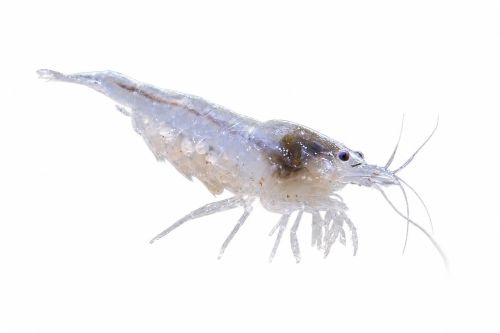
Snowball Shrimp for Sale
$27.99
In stock
SKU
Snowball Shrimp
If you're looking for a unique freshwater shrimp that stands out from the crowd, Snowball Shrimp are an excellent choice. Named for the bright white eggs carried by breeding females, these beautiful Neocaridina shrimp feature a soft translucent white body that adds striking contrast to planted aquariums and shrimp colonies. Their peaceful nature, hardy genetics, and easy care requirements make them a favorite among both beginner and experienced shrimp keepers.
Snowball Shrimp are active scavengers that spend their day grazing on algae, biofilm, and other natural food sources found throughout the aquarium. While they won't eliminate algae problems on their own, they play an important role in keeping your aquarium clean and healthy as part of a well-balanced cleanup crew. They thrive in established planted tanks with stable water parameters and are compatible with most peaceful fish, snails, and other invertebrates.
One of the most fascinating features of Snowball Shrimp is their ability to reproduce readily in freshwater aquariums. Healthy females carry clusters of bright white eggs beneath their abdomen, giving the variety its distinctive "Snowball" name. Because they breed easily under the right conditions, they're an excellent option for hobbyists interested in growing a thriving shrimp colony.
At The Shrimp Farm, we carefully select healthy Snowball Shrimp for every order and professionally pack them for safe nationwide shipping. Whether you're starting your first shrimp tank or adding a rare white variety to an established aquarium, you can shop with confidence knowing every eligible order is backed by our Live Arrival Guarantee and supported by our experienced team of shrimp keepers.
Reviewed and updated July 2026 by The Shrimp Farm Team.
Are Snowball Shrimp Beginner Friendly?
Yes! Snowball Shrimp are one of the best freshwater shrimp for beginners. As a Neocaridina variety, they are hardy, adaptable, and much more forgiving than many Caridina shrimp. If your aquarium is fully cycled and water parameters remain stable, Snowball Shrimp are typically easy to keep and breed.
They are peaceful, active scavengers that spend their day grazing on biofilm, algae, and leftover food. Their calm temperament makes them an excellent addition to planted community aquariums with other peaceful tank mates.
For the best success with Snowball Shrimp:
- Start with an established aquarium of at least 5 gallons.
- Maintain stable water parameters and avoid sudden changes.
- Provide live aquarium plants, mosses, driftwood, or shrimp hides for cover.
- Feed a quality shrimp food along with naturally occurring biofilm.
- Avoid keeping them with large or aggressive fish that may prey on them.
With proper care, Snowball Shrimp reproduce readily and can develop into a thriving colony, making them an excellent choice for both first-time shrimp keepers and experienced hobbyists looking for a beautiful white freshwater shrimp.
Why Buy Snowball Shrimp Online from The Shrimp Farm
✅ Healthy, high quality Shrimp – Our Snowball Shrimp are carefully raised and selected for excellent health, activity, and beautiful translucent white coloration before shipping.
✅ Shrimp-Safe Shipping – Every order is packed using proven live shrimp shipping methods to help ensure your shrimp arrive healthy and ready for their new aquarium.
✅ Expert Care – We specialize in freshwater shrimp and maintain healthy breeding colonies with proper nutrition, clean water, and careful attention to detail.
✅ Fast Nationwide Delivery – We ship live Snowball Shrimp throughout the United States with shipping methods designed to minimize stress during transit.
✅ Live Arrival Guarantee – Order with confidence knowing your purchase is backed by our Live Arrival Guarantee.
✅ Bundle & Save – Save more when you combine Snowball Shrimp with aquarium plants, shrimp food, botanicals, and other freshwater shrimp.
✅ Trusted by Shrimp Keepers Nationwide – Thousands of hobbyists choose The Shrimp Farm for quality livestock, expert support, and dependable customer service.
BACKED BY THE SHRIMP FARM'S LIVE ARRIVAL GUARANTEE!
Snowball Shrimp vs. Other Popular White Freshwater Shrimp
If you're looking for a beautiful white freshwater shrimp, there are several excellent options available. Snowball Shrimp are especially popular because they're hardy, easy to breed, and beginner friendly, while other white shrimp varieties may offer brighter coloration or require more advanced care.
| Shrimp | Color | Care Level | Adult Size | Breeding | Best For |
|---|---|---|---|---|---|
| Snowball Shrimp | Translucent white | ⭐ Beginner | Up to 1.5" | Very easy | Beginners, breeding colonies |
| Snow White Shrimp | Solid opaque white | ⭐⭐ Intermediate | Up to 1.5" | Moderate | Display aquariums |
| Snowstorm Shrimp | Bright white with blue undertones | ⭐⭐ Intermediate | Up to 1.5" | Moderate | Premium shrimp collectors |
| Crystal White Shrimp (Caridina) | White with patterned markings | ⭐⭐⭐ Advanced | Up to 1.3" | Difficult | Experienced shrimp keepers |
| Ghost Shrimp | Nearly transparent | ⭐ Beginner | Up to 2" | Rarely breeds in freshwater | Budget cleanup crews |
Which White Shrimp Is Right for You?
Choose Snowball Shrimp if you want one of the easiest white shrimp to care for and breed. Their translucent white bodies and bright white eggs make them a unique addition to planted aquariums, and they're an excellent choice for beginners looking to establish a thriving Neocaridina colony.
If your goal is the brightest solid white coloration possible, Snow White Shrimp or Snowstorm Shrimp may be a better fit, while Crystal White Shrimp are better suited for experienced hobbyists who can maintain the specialized water parameters that Caridina shrimp require.
Can Snowball Shrimp Live with Cherry Shrimp?
Yes, Snowball Shrimp can live with Cherry Shrimp, but there is one important consideration. Both are Neocaridina davidi color varieties, which means they will interbreed if kept together in the same aquarium.
While the shrimp are completely compatible and peaceful, their offspring will gradually lose the bright white and red coloration of their parents. Over several generations, the colony often reverts to a more natural wild-type brown or transparent appearance.
If your goal is to maintain a pure Snowball Shrimp colony or a pure Cherry Shrimp colony, it is best to keep each color variety in its own aquarium. However, if you simply enjoy watching shrimp and aren't concerned about preserving specific color genetics, Snowball and Cherry Shrimp can thrive together in the same planted aquarium.
For hobbyists looking to selectively breed high-quality Snowball Shrimp, keeping them in a species-only tank is the best way to preserve their distinctive translucent white coloration and bright white eggs.
Frequently Asked Questions About Snowball Shrimp
How big do Snowball Shrimp get?
Adult female Snowball Shrimp typically grow up to 1.5–1.6 inches (4 cm), while males remain slightly smaller and more slender. Females also develop a broader abdomen, which helps them carry eggs when breeding.
How many Snowball Shrimp can I keep per gallon?
Snowball Shrimp can reproduce quickly, so there is no fixed maximum number per gallon. A 5-gallon or larger aquarium is recommended to provide stable water conditions. With regular maintenance, adequate filtration, and enough food, a healthy colony will naturally balance its population over time.
How long do Snowball Shrimp live?
Snowball Shrimp typically live 1–2 years. Their lifespan depends on water quality, diet, temperature, and overall aquarium stability. Consistent care and regular maintenance will help maximize their lifespan.
How fast do Snowball Shrimp grow?
Snowball Shrimp grow quickly under good conditions. Newly hatched shrimp usually reach breeding age in about 2–3 months when provided with stable water parameters and a nutritious diet.
Are Snowball Shrimp easy to breed?
Yes. Snowball Shrimp are considered one of the easiest freshwater shrimp to breed because they are a hardy Neocaridina variety. Females carry bright white eggs beneath their abdomen for approximately 3–4 weeks before releasing fully formed baby shrimp. No brackish water is required.
Will Snowball Shrimp breed with other shrimp?
Snowball Shrimp will breed with other Neocaridina shrimp varieties, including Cherry shrimp, Blue Dream, Yellow Golden Back, Orange Sunkist, and other color morphs. Crossbreeding often results in offspring with less vibrant or wild-type coloration. They will not breed with Caridina shrimp.
Why is my Snowball Shrimp losing color?
Snowball Shrimp may appear less vibrant due to stress, poor water quality, improper nutrition, or recent molting. They also tend to display their best translucent white coloration over darker substrates. Stable water parameters and a high-quality shrimp diet usually help maintain their appearance.
How often do Snowball Shrimp molt?
Young Snowball Shrimp molt every few days while growing rapidly. Adults typically molt about once every 3–5 weeks. Molting is a normal part of their growth, and newly molted shrimp may hide until their new shell hardens.
What do Snowball Shrimp eat?
Snowball Shrimp are omnivorous scavengers that feed on biofilm, algae, microorganisms, decaying plant matter, and leftover fish food. For optimal health and breeding, supplement their diet with a high-quality shrimp food several times each week, along with occasional blanched vegetables or natural botanicals.
Are Snowball Shrimp good algae eaters?
Yes. Snowball Shrimp help control soft algae, biofilm, and leftover food, making them excellent members of a cleanup crew. While they will not eliminate severe algae outbreaks, they constantly graze throughout the aquarium and contribute to a cleaner, healthier ecosystem.
What type of filter is best for Snowball Shrimp?
A sponge filter is the best choice for Snowball Shrimp because it provides excellent biological filtration without risking baby shrimp being pulled into the filter. Gentle air-driven filters and shrimp-safe prefilter sponges are also excellent options.
What are the best plants for Snowball Shrimp?
Snowball Shrimp thrive in planted aquariums with plenty of cover. Excellent choices include Java Moss, Christmas Moss, Subwassertang, Anubias, Bucephalandra, floating aquarium plants, and Hairgrass. Live plants provide hiding places, encourage biofilm growth, and improve water quality.
What is the best substrate for Snowball Shrimp?
Snowball Shrimp generally display their best coloration over dark-colored aquarium substrates. While they can live on virtually any shrimp-safe substrate, darker gravel or planted aquarium substrates help their translucent white bodies stand out and may reduce stress.
What are the best tank mates for Snowball Shrimp?
The best tank mates are peaceful species that are unlikely to prey on shrimp. Good choices include Otocinclus, Corydoras, small rasboras, Ember Tetras, Nerite Snails, Mystery Snails, and other peaceful invertebrates. Avoid large or aggressive fish that may eat adult shrimp or shrimplets.
Can Snowball Shrimp live with Betta fish?
It depends on the individual Betta. Some Bettas ignore shrimp, while others actively hunt them. If you keep Snowball Shrimp with a Betta, provide dense plants, moss, and plenty of hiding places to improve their chances of survival.
How do I acclimate new Snowball Shrimp?
Slow acclimation is essential. The drip acclimation method is recommended because it gradually matches the water chemistry of your aquarium, reducing stress and minimizing the risk of shock. Most hobbyists acclimate new shrimp for 1–2 hours before introducing them to the tank.
Related Products


Login and Registration Form