


 Shrimp
 Fish
Fish Crab &
 Plants
 Foods
Foods Snails
Can Shrimp Eat Spinach?
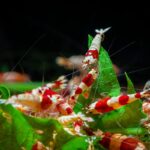
Yes. All species of shrimp can eat spinach. In fact, most go crazy for this leafy green, even if it's the first time they've ever seen it! If you've bought a bag of spinach or (even better) just harvested some from your garden for dinner, your shrimp would highly appreciate it if you separated some for them.
Their natural diet of biofilm—which consists of a mixture of algae and microscopic fauna—means Caridina and Neocaridina like some greenery in their diet, after all. But that's not the only reason to feed it: vegetables like spinach, when submerged in our shrimp tank, actually temporarily become biofilm magnets.
We've fed pounds and pounds of spinach to our shrimp here at The Shrimp Farm over the years. Below, let's have a look at how to include this nutrient powerhouse into your colony's diet and how best to feed spinach to your shrimp.
Table of Contents
Nutritional Value & Benefits of Spinach for Shrimp
Is spinach a superfood for shrimp like it is for humans? Well, maybe not. But it does offer a solid mix of micronutrients that shrimp can benefit from in small amount. We're always harping on about the importance of a varied diet for our pet shrimp, and spinach is a perfect food to include in that rotation. Just remember that your shrimp are omnivores, so don't overdo it—too much of a good thing and all that.
Important minerals and nutrients present in spinach that your shrimp can benefit from include:
- Calcium and magnesium: Extra support during molting time, which uses up a lot of these essential minerals.
- Fiber: Shrimp feed on decaying plant matter in the wild, so the fibrous nature of spinach is exactly what they expect from a meal (and helps keep their fast metabolisms moving along).
- Iron: Popeye knew it, and so do our shrimp. All living beings need iron to keep their physical processes (growth, normal cellular function, etc.) going.
- Trace elements: Spinach has manganese, zinc, and many others. Trace elements are present in very small amounts in foods, but still quietly support enzyme function, stress tolerance, and normal moulting processes.
The most important thing shrimp get from spinach, though? Biofilm. Huh? Well, the thing is that bacteria and other microscopic critters also like leafy greens. Once you introduce a spinach leaf into your shrimp tank, it quickly begins releasing its nutrients (like sugars) into the water. This attracts bacteria and other microorganisms just as much as it attracts shrimp.
Once the bacteria begin colonising the spinach, the shrimp aren’t just eating the leaf but actually grazing the early biofilm right as it forms. This is especially useful for baby shrimp, which aren't all that interested in solid foods yet—they prefer munching on exactly this kind of microscopic growth and surface films.
Potential Risks of Feeding Spinach
As we mentioned, too much of anything can become a problem. The same goes for feeding spinach to your shrimp, but luckily, 99% of potential issues can be avoided by just not overdoing it. Spinach once a week is great, but spinach once a day can become a problem.
Here's what happens if you overfeed:
- Oxalates: Spinach is high in oxalic acid, which can bind calcium and theoretically interfere with mineral uptake. That would make it harder for the shrimp to molt, not easier!
- Pesticides: Store-bought spinach was at the top of the Dirty Dozen list in 2025 (and pretty much always). Shrimp are extremely sensitive to contaminants, so buy organic or grow your own.
- Lack of variety: Overfeeding spinach can reduce grazing behavior. If your shrimp are constantly stuffed with soft vegetables, they may start to ignore biofilm and algae—even though their bodies need them.
How to Prepare Spinach for Shrimp
It's easy! Shrimp can eat spinach raw just like humans can, but it's usually best to quickly blanch the leaves before feeding. This allows them to access the nutrients more easily—again, just like in humans—and also helps the leaf sink.
Here's how to prepare spinach for your shrimp:
- Wash: Rub the spinach gently under running lukewarm water, even if you bought organic.
- Blanch: Optional but recommended. Pour boiling water over the spinach leaf, then move it to cold water after a minute or so.
- Divide: Tear each leaf into two. This will help prevent any overly bold shrimp from hogging a whole leaf.
Some shrimpers note they like to remove the tough central vein from the spinach leaf, but we don't see the need. You'll remove the leftovers regardless—and if you have larger shrimp like Amanos, they'll probably happily bulldoze the leaf vein before you get the chance.
How Often Should You Feed Spinach?
Think of spinach as a treat, not a shrimp diet staple. For most shrimp tanks, offering one leaf once a week is plenty. Don't forget to watch your shrimp after offering the spinach, either: if they swarm the leaf instantly and strip it quickly, that’s fine. If it sits ignored for hours, you’re either feeding too much overall or your tank already provides plenty of natural grazing (in which case, great job!).
How Long to Leave Spinach in the Tank
If you can leave leaf litter in your tank indefinitely, does the same go for spinach? Unfortunately not. Fresh, soft leaves like these decompose quickly and not very cleanly.
Depending on how warm the water is, spinach should usually be removed after 6–12 hours. If the leaf starts turning mushy, translucent, or slimy, it’s overdue; if the shrimp (especially the babies) are still swarming it, you can leave it another hour.
FAQ
Can shrimp eat frozen spinach?
Yes, it makes no difference to them! In fact, if you buy frozen you can skip the blanching step. Since freezing already breaks down the leaf structure, you won't even need to blanch it before feeding it to your shrimp.
1 Comment